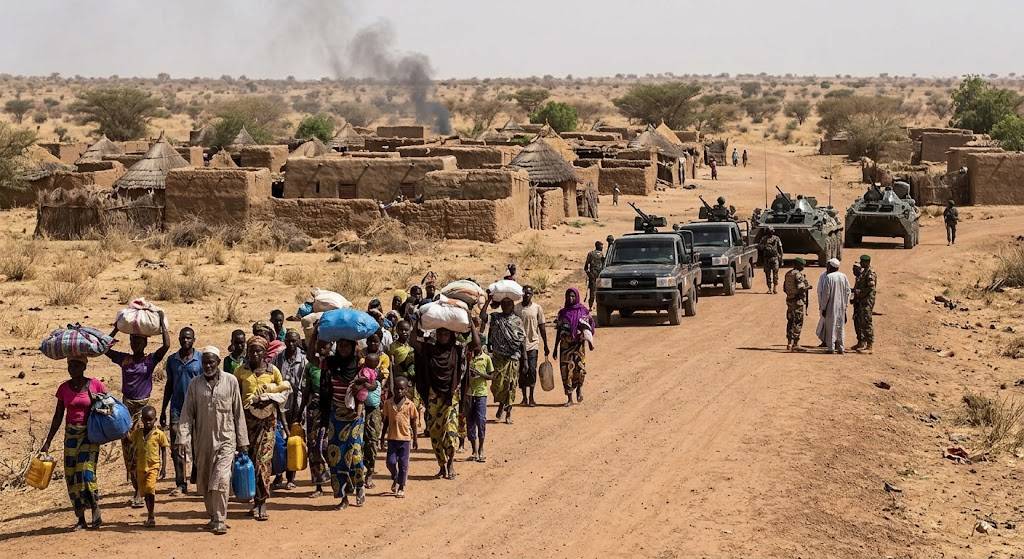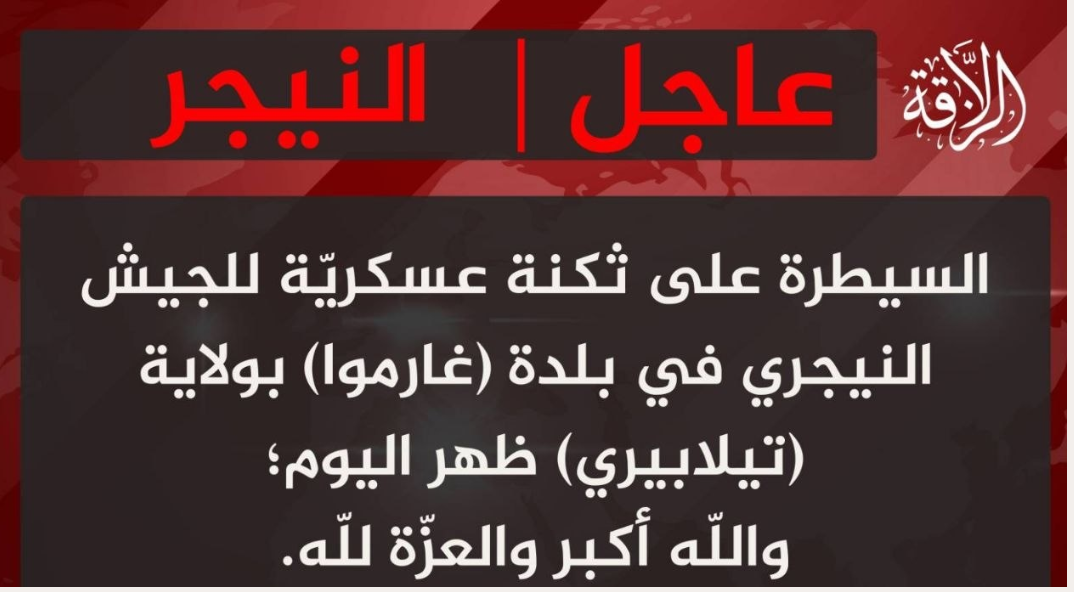
The Nigerien military unit stationed in Garbougna, a locality in the Tillabéri region near the Mali border, came under a brutal dawn assault on the morning of May 14, 2026. The coordinated strike, attributed to the Group for the Support of Islam and Muslims (JNIM), left at least 67 dead—soldiers and civilians alike—amidst a region already grappling with relentless insecurity.
a coordinated massacre in the heart of the Sahel
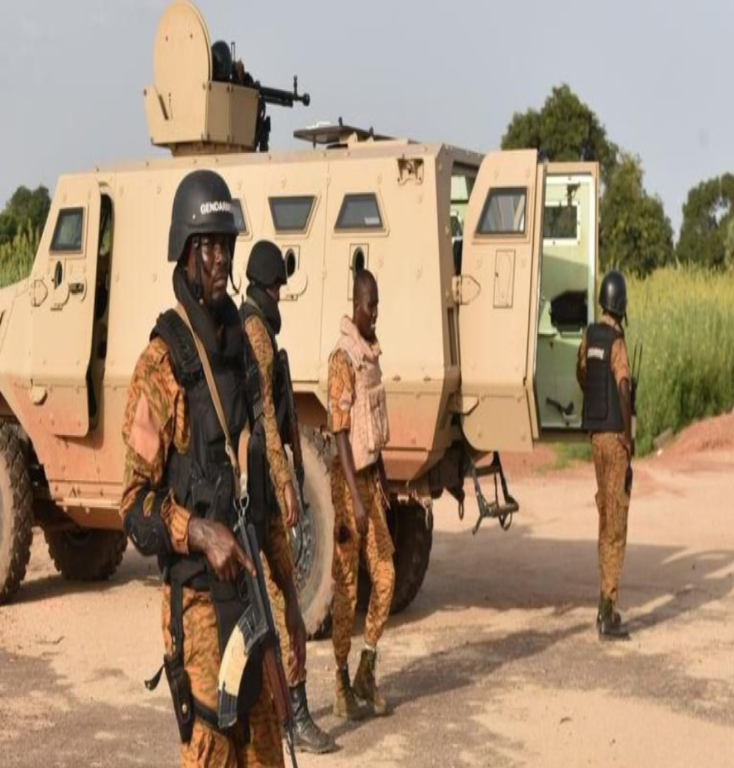
At approximately 5:00 AM, attackers launched their assault, exploiting the cover of darkness and the element of surprise. Armed with heavy weaponry and operating in groups, they descended upon the military engineering camp using motorcycles and pickup trucks. Despite fierce resistance from Nigerien troops, the attackers overwhelmed the defenses due to their numerical advantage and tactical precision.
The JNIM, an Al-Qaeda-affiliated faction, executed the operation with meticulous planning. Heavy gunfire and explosions shattered the early morning calm, turning the camp into a battlefield. The sheer scale of the attack overwhelmed local defenses, leaving devastation in its wake.
tragic toll: soldiers and civilians alike
The human cost of the assault is staggering. Among the 67 confirmed fatalities, a mix of soldiers from the Nigerien engineering corps and civilians—local laborers, drivers, and villagers—were killed. Many of these civilians were actively collaborating with the military on critical infrastructure projects, including the construction of a strategic bridge intended to revitalize the region’s economy.
The injured, several in critical condition, were swiftly evacuated to hospitals in Niamey and other regional centers. Search and rescue operations continue in the surrounding bush, where scattered remnants of the assault may still linger.
disrupting progress: terrorists target key infrastructure
The engineering unit was not engaged in combat but was instead deployed to complete a vital infrastructure project—a bridge designed to ease mobility, boost trade, and stimulate economic revival in Tillabéri. By striking this mission, the JNIM sent a stark message: to cripple state-led development and prolong the suffering of local populations.
For these insurgents, sabotaging infrastructure and severing communication routes is a well-honed strategy. By keeping communities isolated and dependent, they aim to deepen their grip on the region’s fragile security landscape.
the three borders zone: a powder keg of instability
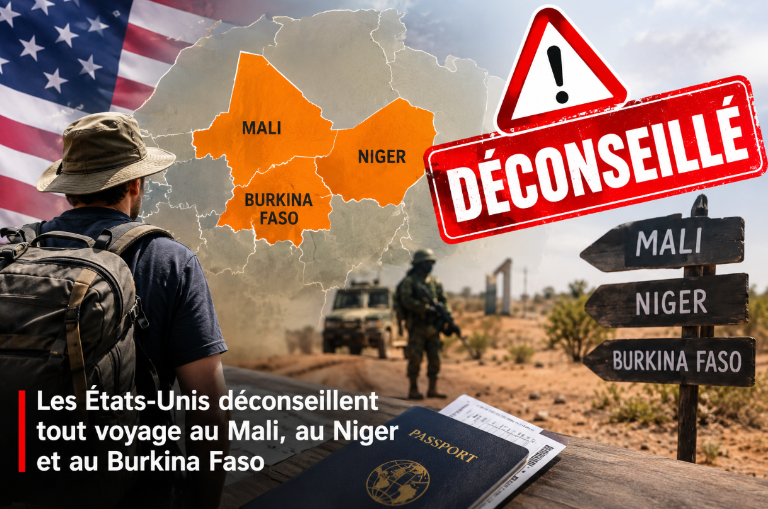
This latest attack underscores the persistent volatility of the Sahel’s “three borders zone,” where Niger, Mali, and Burkina Faso converge. Despite intensified military cooperation and enhanced defense capabilities, insurgent groups retain a potent asymmetric threat. They exploit porous borders to launch deadly raids before retreating across frontiers, evading conventional military responses.
In Niamey, outrage is palpable. Military leaders have vowed that the sacrifice of those lost will not be in vain, pledging to press forward with national reconstruction efforts in their honor.
a pivotal moment in the fight against terror
The attack on Garbougna marks a dark turning point in Niger’s counterterrorism struggle. The engineering soldiers, who embodied hope for a return to normalcy, paid the ultimate price. Their loss serves as a grim reminder that this war is fought not only on battlefields but also in the arenas of development, connectivity, and socio-economic revival.
The resilience of the Nigerien people will once again be tested as they confront the aftermath of this tragedy and the ongoing threat that looms over the Sahel.