In a decisive move to bridge educational gaps and foster inclusivity, the Beninese government has approved a sweeping set of reforms aimed at reshaping the national education system. From expanding school meal programs to significantly boosting university scholarships, the initiative is designed to create a more equitable learning environment while modernizing infrastructure across all levels of education.
With the 2026-2027 academic year on the horizon, authorities have committed nearly 30 billion West African CFA francs to support students at every stage of their educational journey—from primary schools to public university campuses. This bold investment reflects a broader strategy to align infrastructure upgrades with social inclusion, particularly for marginalized communities and technical education pathways.
Primary education expansion: feeding and securing the future
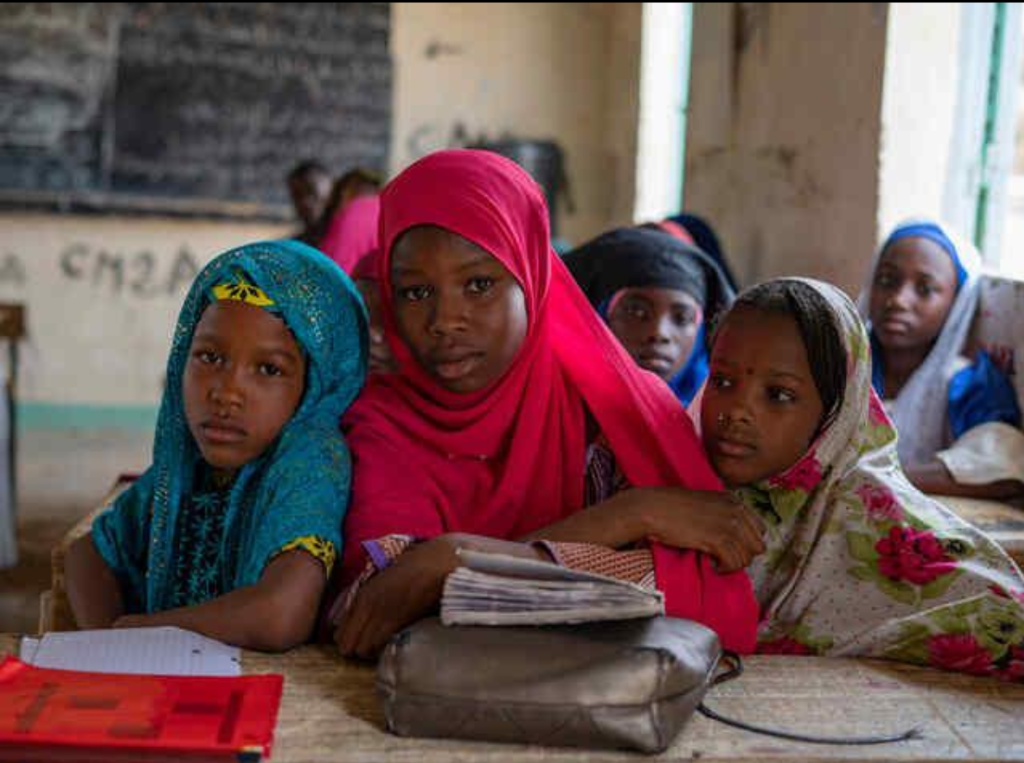
The cornerstone of this plan is the accelerated expansion of the school feeding program, a lifeline for children in rural and peri-urban areas. The initiative will now reach an additional 500,000 pupils, bringing the total number of beneficiaries to 1.9 million. Each child will receive a hot meal daily, reducing absenteeism and improving concentration in classrooms.
Additionally, a dedicated emergency plan has been rolled out for border regions grappling with security challenges. This includes targeted infrastructure upgrades and tailored support for both teachers and students to ensure uninterrupted learning in vulnerable zones.
Secondary and technical education: gender equity and equipment boost
The government is prioritizing gender parity in secondary and technical education through two key measures. First, tuition fees are now fully waived for all female students enrolled in Technical and Vocational Education and Training (TVET) programs. This bold step aims to dismantle financial barriers that often prevent girls from pursuing technical careers.
To accommodate growing student populations, 12,000 new desks and benches are being distributed to general education colleges (CEG). Simultaneously, a nationwide campaign is underway to refurbish high schools for girls, ensuring safer and more conducive learning spaces across the country.
Higher education: scholarships, transport, and campus upgrades
The university sector is a major focus of this financial injection, with sweeping adjustments to ease the financial burden on students. Scholarship allowances have been increased by up to 49% depending on the field of study, complemented by higher back-to-school grants and enhanced excellence scholarships for those pursuing studies abroad.
Mobility is also being revolutionized with the deployment of 63 new buses, serving the four public universities in Abomey-Calavi, Parakou, UNA Kétou, and UNSTIM Abomey. These buses will operate on multiple intercity routes, making commuting more accessible for students.
Campus life is getting a major overhaul as well. University restaurants and health clinics are undergoing comprehensive upgrades, including the hiring of qualified medical staff. A groundbreaking provision has also been introduced: all newly enrolled university students with severe disabilities will automatically receive a scholarship, reinforcing the government’s commitment to social equity.
From planning to execution: a seamless transition
Ministries involved in the initiative have been tasked with finalizing all operational arrangements ahead of the official start of the academic year. By coupling financial commitment with strategic planning, the government is laying the groundwork for a 2026-2027 academic year defined by stability, opportunity, and the empowerment of Benin’s future workforce.