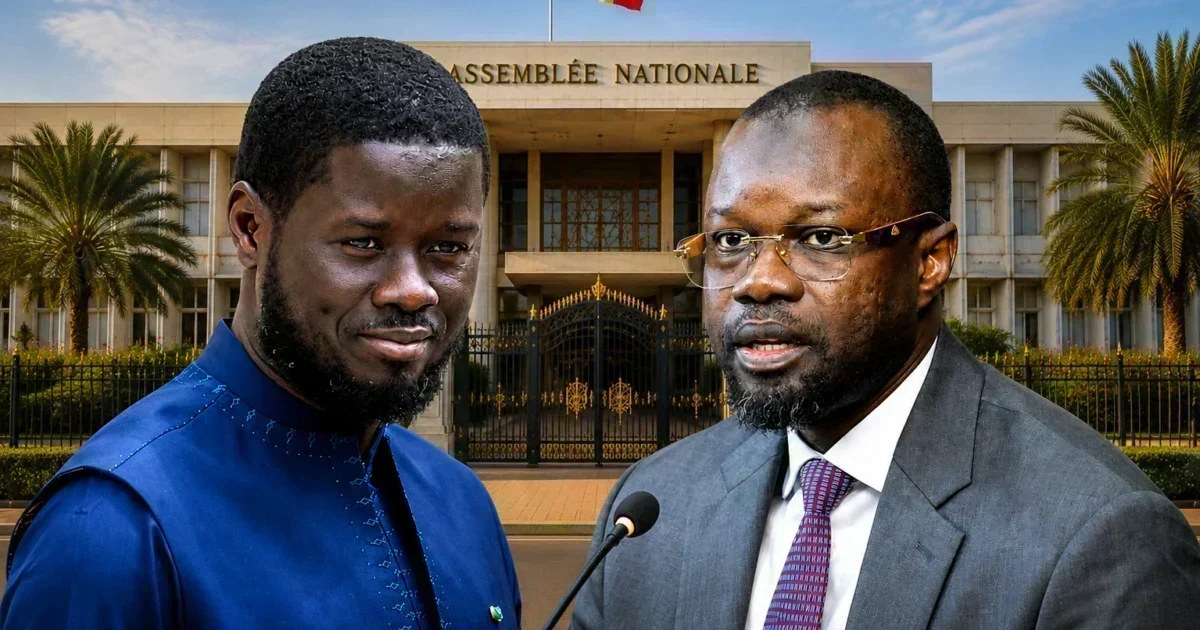
The political landscape in Senegal has experienced a dramatic shift following President Bassirou Diomaye Faye’s decision to dismiss Prime Minister Ousmane Sonko on May 22. This move, though sudden, was the culmination of months of escalating tensions that had quietly undermined the alliance once hailed as a historic break from the Macky Sall era. What began as a partnership forged on promises of reform now stands fractured by irreconcilable differences in governance, economic strategy, and power dynamics.
From allies to adversaries: the unraveling of a political alliance
The once-united front between Bassirou Diomaye Faye and Ousmane Sonko, which captivated Senegalese voters with visions of change, has collapsed under the weight of deep-seated disagreements. Analysts point to a series of critical divergences that made this rupture not just likely, but inevitable.
Governance and reform: clashing visions for Senegal
The two leaders found themselves at odds over the pace and direction of key reforms. While Sonko, a former tax inspector turned opposition firebrand, pushed for aggressive anti-corruption measures and structural economic changes, Faye adopted a more cautious approach, prioritizing stability and gradual implementation. These differing philosophies created friction that festered behind closed doors before erupting into open conflict.
Power struggles and institutional control
At the heart of the dispute lay competing visions for the balance of power within the government. Sonko, known for his combative style and grassroots support, sought to consolidate his influence within the administration. Faye, however, aimed to centralize authority under his presidency, viewing Sonko’s ambitions as a threat to the cohesion of the executive branch. This power struggle reached a breaking point, forcing Faye’s hand in a decisive but risky political maneuver.
The public fallout: a nation watches as its leaders clash
The dismissal sent shockwaves through Senegal’s political circles and beyond. Supporters of both factions reacted with a mix of surprise and dismay, while independent observers warned of the potential consequences for the country’s stability. The move has raised questions about the future of Senegal’s reform agenda and the sustainability of its democratic institutions in the face of such internal strife.
The fall of this once-promising alliance serves as a stark reminder of the challenges facing young democracies. As Senegal navigates this turbulent period, the decisions made in the coming weeks will shape not only the political trajectory of the nation but also its standing on the regional stage.