Eastern DRC crisis: rival factions within AFC/M23 and Kabila’s ambitions fuel instability
Eastern DRC crisis: rival factions within AFC/M23 and Kabila’s ambitions fuel instability
A new report from United Nations experts sheds light on deepening divisions within the Alliance Fleuve Congo/Mouvement du 23 mars (AFC/M23), a rebel group active in the eastern Democratic Republic of the Congo (DRC). The document, shared with the UN Security Council, reveals growing tensions between political and military factions, as well as competing ambitions to expand influence beyond traditional strongholds.
Political ambitions clash with military strategy
According to the UN experts’ findings, key political figures within AFC/M23, including former Independent National Electoral Commission (CENI) president Corneille Nangaa and Joseph Kabila, have been pushing for a broader strategy to seize control in Kinshasa. However, this ambition faces strong resistance from the group’s military leadership, particularly General Sultani Makenga, whose authority is increasingly contested.
The report highlights that while Nangaa and Kabila seek to expand the group’s political reach, most military commanders oppose any operations beyond North Kivu and South Kivu. This divergence has created a fragile balance within AFC/M23, with military leaders resisting the political push for a nationwide agenda.
Resource disputes and regional tensions fuel fragmentation
Another source of division lies in the control and distribution of resources. The report indicates that some factions within AFC/M23 have accused others of favoring Tutsi officers and fighters, leading to resentment and infighting. These internal conflicts threaten to weaken the group’s cohesion at a time when regional stability is already fragile.
The UN experts also note that the group’s leadership continues to receive support from Rwandan authorities and intelligence services, further complicating efforts to resolve the crisis. The AFC/M23 is estimated to have around 30,000 fighters, including former members of the National Congress for the Defense of the People (CNDP), historical M23 rebels, and recent recruits from the diaspora and Rwandan refugee camps.
Military structure reflects internal fractures
The rebels’ occupied territories have been divided into three “defense zones,” each led by a different commander:
- General Baudoin Ngaruye oversees the first zone, covering Nyiragongo, Rutshuru, and Lubero.
- Brigadier General Justin Gacheri Musanga heads the second zone, encompassing Masisi and Walikale.
- General Innocent Byamungu commands the third zone in South Kivu.
Diplomatic deadlock compounds the crisis
The report underscores the stalled implementation of the Washington Agreement, designed to reduce tensions between Kinshasa and Kigali. Despite multiple evaluation meetings, both sides continue to interpret the accord differently, complicating its execution. Similarly, the Doha process, mediated by Qatar, has failed to yield significant progress, with AFC/M23 and the DRC government remaining far apart on key issues.
The situation in eastern DRC remains dire, with the humanitarian and security crisis worsening. The report warns that these internal divisions within AFC/M23, combined with unresolved regional disputes, pose a serious threat to peace and stability in the region.
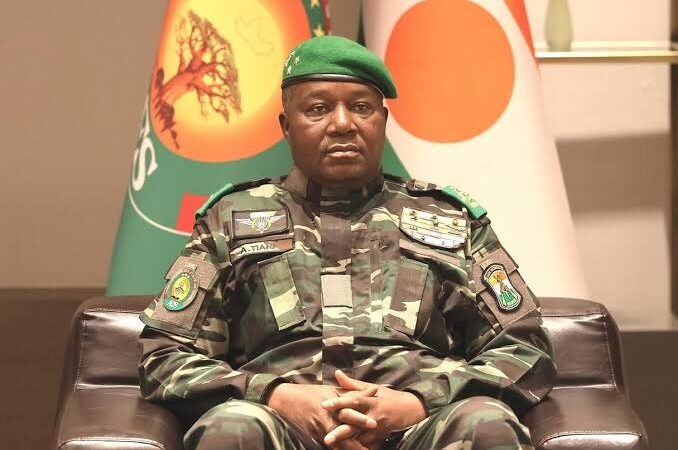
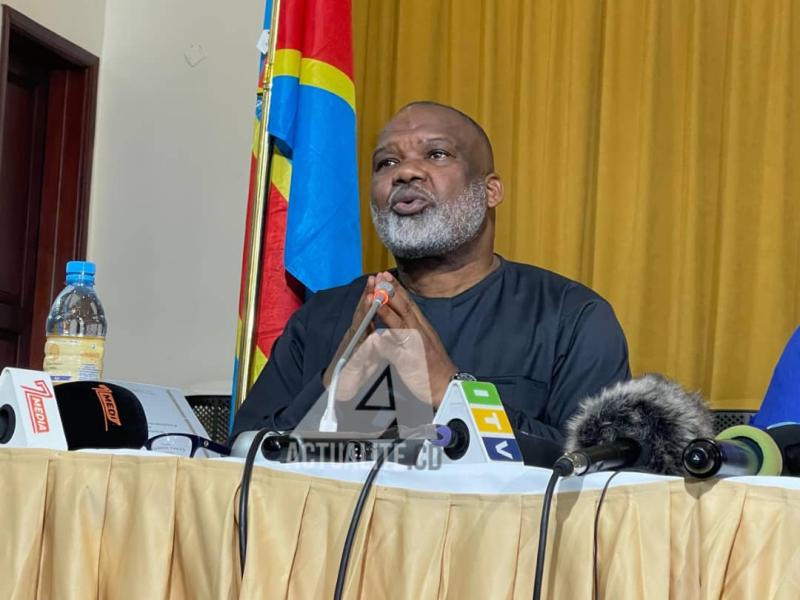
Corneille Nangaa, a prominent political figure within AFC/M23, speaking at a press conference in Goma.