East DRC: CRP/FRP of Thomas Lubanga struggles to gain armed group support
east DRC: CRP/FRP of Thomas Lubanga struggles to gain armed group support
- Security
The Convention for Popular Revolution/Popular Revolution Forces (CRP/FRP), led by Thomas Lubanga, continues to face challenges in expanding its influence in the Democratic Republic of the Congo’s Ituri province. According to a recent United Nations Group of Experts report on the DRC, the movement has yet to secure official cooperation with the Alliance of Democratic Forces of Congo/Movement of March 23 (AFC/M23), despite earlier public declarations of alignment.
Since its official launch on January 10, 2025, the CRP/FRP has maintained an anti-government stance while advocating for regional autonomy. The report highlights that Lubanga publicly endorsed the AFC/M23 on July 16, 2025, as part of efforts to align with broader regional dynamics. However, no formal cooperation has been documented between the two groups.
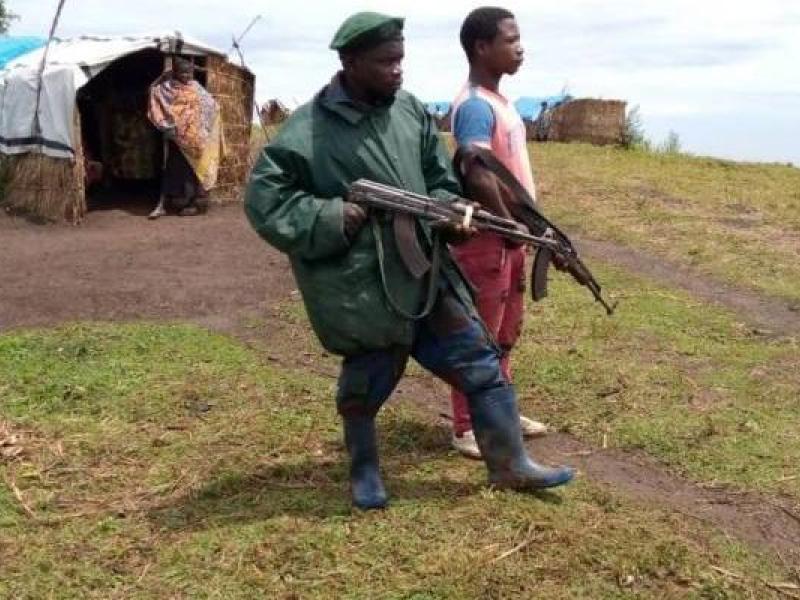
The CRP/FRP’s leadership includes former warlords, political figures, and local leaders from Ituri, many of whom are currently in exile in Uganda. Internal divisions have weakened the movement, with recent defections among key figures reducing cohesion. As of November 2025, the group’s estimated combat strength stood at about 300 fighters, but this has since grown to nearly 1,000, primarily drawn from the Hema community and former Zaïre group members. Recruitment also occurs in displaced persons camps in Ituri and refugee settlements in Uganda.
Despite these efforts, the CRP/FRP has struggled to rally substantial support from other armed groups or Ituri’s communities. Attempts to recruit young Lendu individuals have yielded minimal results. The group’s leader, Innocent Kaina, sanctioned by authorities, has collaborated with the CRP/FRP, recruiting individuals from Ugandan refugee camps, including former M23 combatants.
Thomas Lubanga, a convicted war criminal and former International Criminal Court detainee, relaunched the CRP in July 2025, positioning it as a movement aimed at addressing what it describes as systemic governance failures, including corruption, tribalism, and human rights abuses. The CRP/FRP has repeatedly condemned the state’s failure to protect civilians, citing widespread violence, displacement, and atrocities in Ituri over the past eight years. The movement accuses military governance of exacerbating insecurity through manipulation and support of armed groups to maintain political power and facilitate illegal mining operations.
Lubanga was arrested in March 2006 under an ICC warrant for war crimes, including the conscription and use of child soldiers. His trial began in January 2009, and he was convicted in March 2012, initially sentenced to 30 years. After a reduction for time served, he was released in 2020. Following his release, he participated in a presidential task force aimed at promoting peace in Ituri. Despite these efforts, tangible results have been limited, and his candidacy for a parliamentary seat in Ituri was ultimately invalidated.