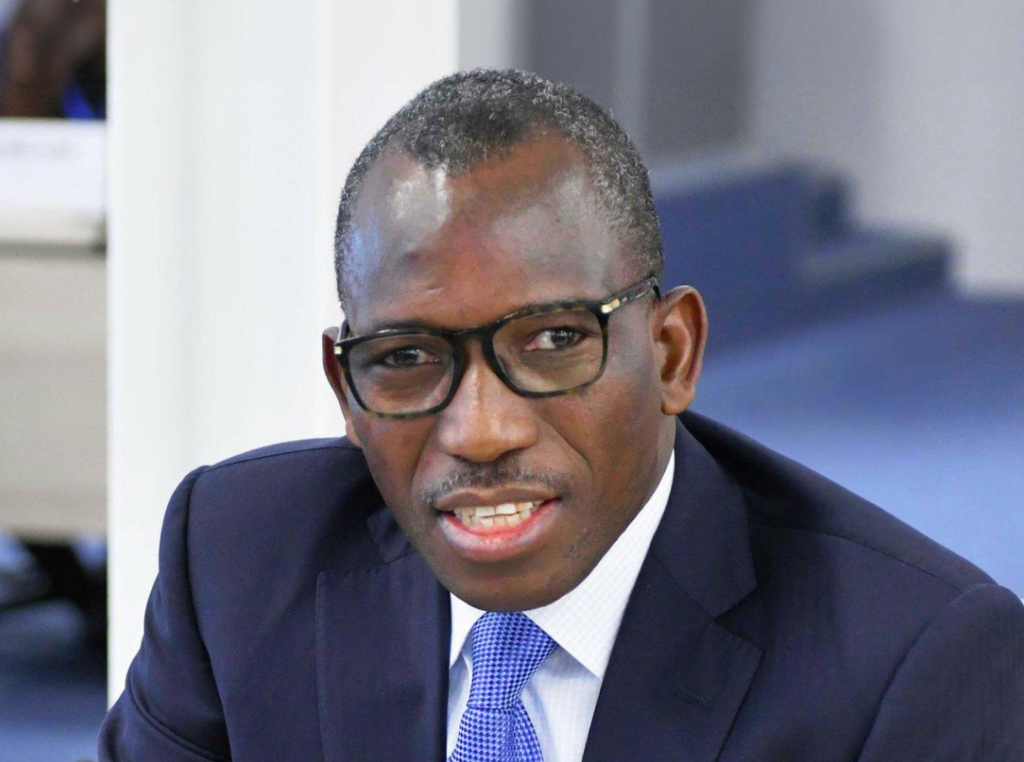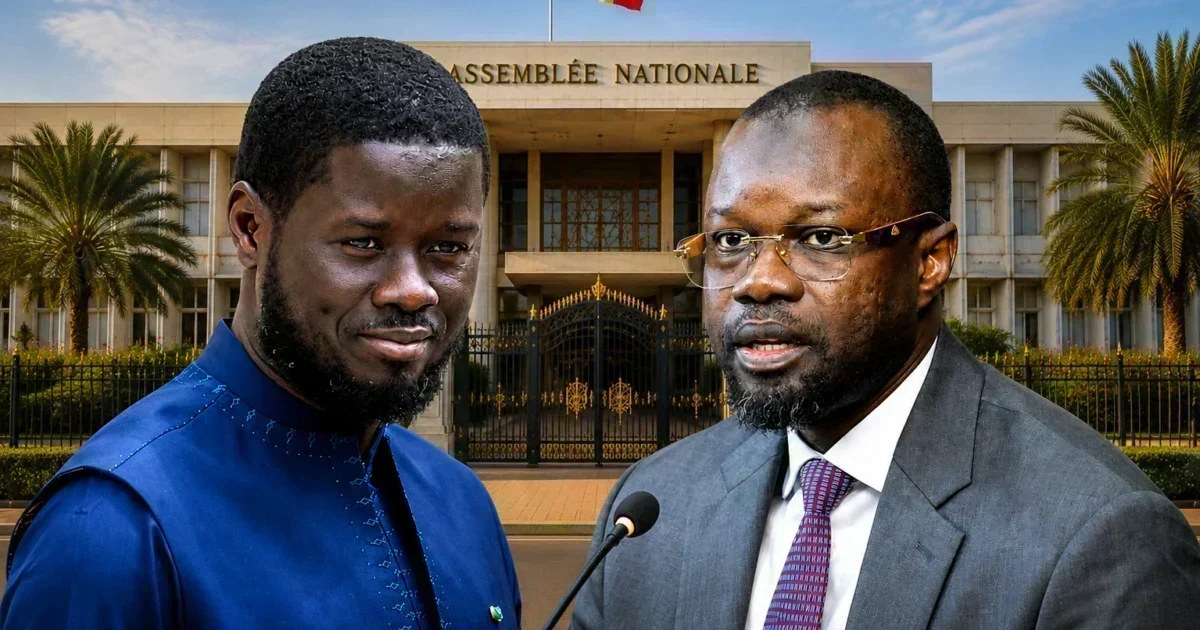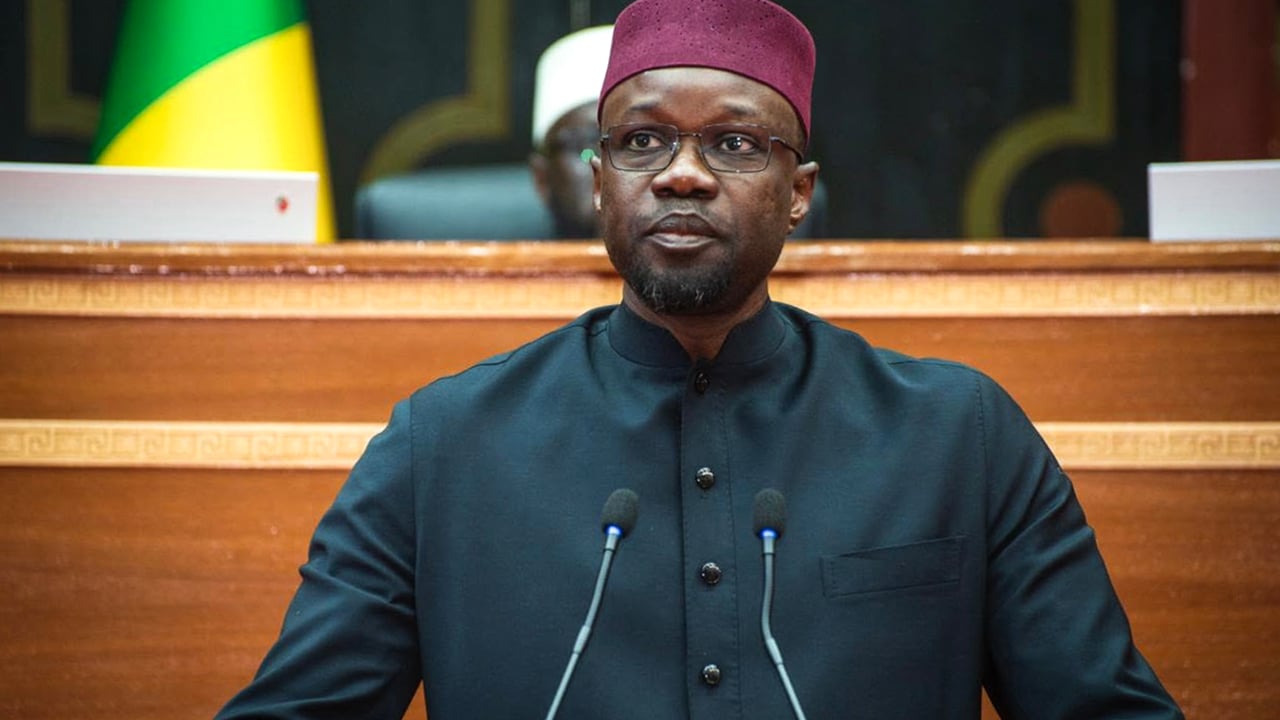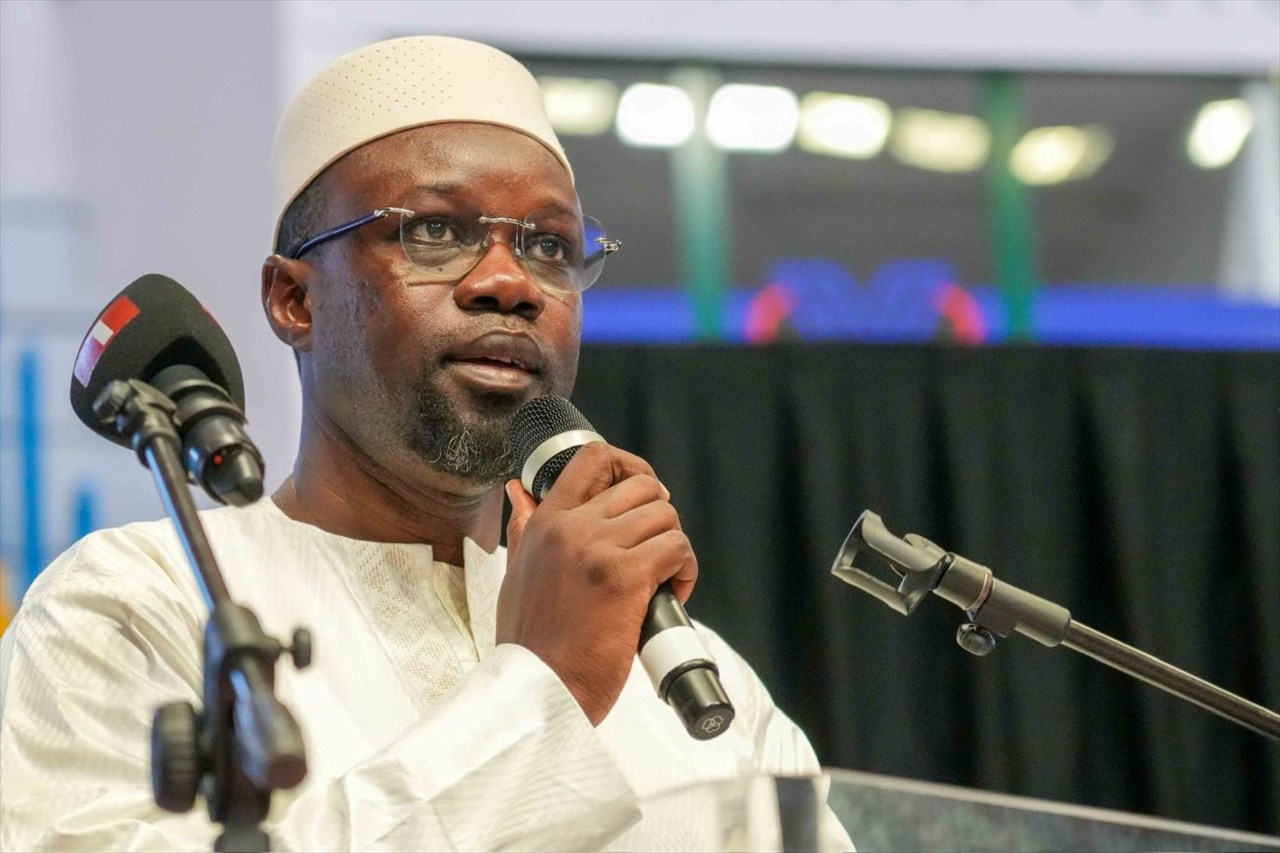

The political landscape in Senegal remains fluid as a fresh wave of upheaval reshapes the nation’s governance. Just two days after Ousmane Sonko was removed from the post of Prime Minister, Malick Ndiaye, President of the National Assembly, announced his resignation from the helm of the legislative body on Sunday, May 25. The decision came shortly after a closed-door meeting within his party, Pastef, where key discussions likely unfolded behind closed doors.
In a candid statement shared on Facebook, Ndiaye revealed the driving force behind his move: “After deep introspection and guided by a profound sense of duty to the nation and the integrity of its institutions, I have resolved to step down from my position as President of the National Assembly of Senegal. This decision stems from my unwavering commitment to public service, institutional responsibility, and the overriding interests of our country.”
During his tenure, Ndiaye emphasized his relentless efforts to bolster the Assembly’s credibility, enhance transparency, and strengthen oversight mechanisms. His leadership aimed to elevate the institution’s standing both domestically and on the global stage, working closely with fellow lawmakers and parliamentary staff.
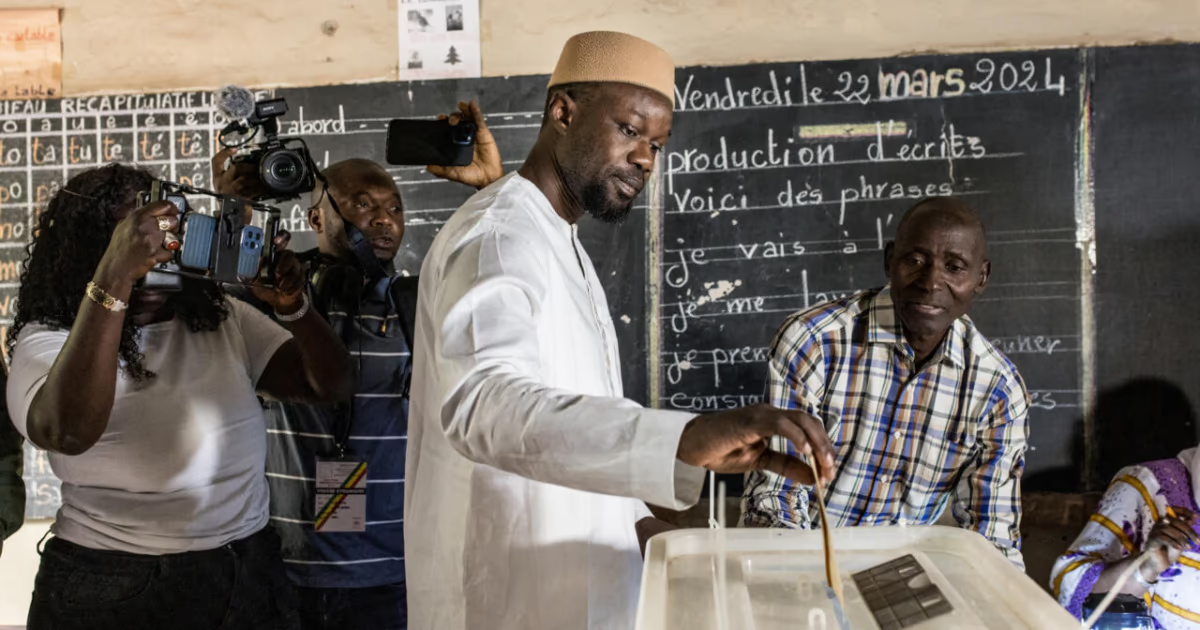
Parallel to Ndiaye’s resignation, the National Assembly reinstated Ousmane Sonko as a deputy on the same day. The stage is now set for a pivotal vote on Tuesday, May 26, to elect a new Assembly president. With Pastef holding a commanding parliamentary majority, all indications point to Sonko as the frontrunner for the role. His rapid political ascent—transitioning from dismissed Prime Minister to potential second-in-line to the presidency within 72 hours—underscores the dramatic shifts unfolding in Senegal’s political hierarchy.
The transition from a Bassirou Diomaye Faye-Ousmane Sonko partnership to a more competitive political dynamic signals a new chapter. Strategic alliances, shifting power balances, and calculated political maneuvers are expected to dominate the agenda in the coming months, particularly ahead of the 2029 presidential election and the upcoming local polls.
A lingering question looms large: will President Bassirou Diomaye Faye opt to dissolve the National Assembly once the constitutional deadline expires in December? Until then, the nation remains on edge, awaiting the announcement of the next Prime Minister tasked with forming a new government amid heightened political tensions.