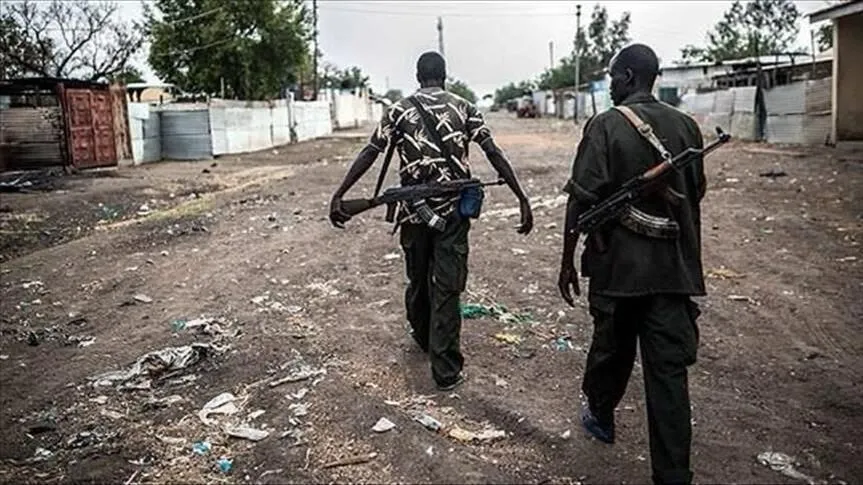
The failed coup attempt in Niamey on August 29-30, 2026, has exposed deep fractures within Niger’s military apparatus and the fragility of the Alliance of Sahel States (AES). What began as an assault on strategic sites—including the presidential palace and Niamey’s international airport—was not the work of foreign forces or rebel groups, but of Nigerien soldiers themselves. The mutiny, led largely by special forces and units stationed near the capital, underscores a growing crisis: the very institution meant to protect the state has now turned against it.
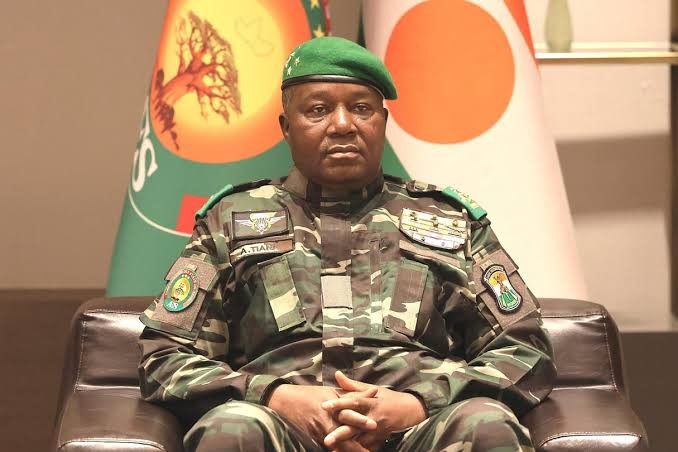
General Abdourahamane Tiani, who seized power in July 2023 in a coup against elected president Mohamed Bazoum, now finds himself at the center of a paradox. His regime was built on promises of restoring security and combating jihadist violence, yet it now faces armed dissent from within its own ranks. The persistent jihadist threat, including attacks near the capital and repeated strikes on Niamey’s airport in 2026, has fueled frustration among troops who feel abandoned in a war with no end in sight.
Internal rebellion exposes regime vulnerabilities
The mutiny was not an isolated incident but a symptom of deeper systemic issues. Soldiers’ grievances stem from the worsening security situation, mounting casualties in counter-jihadist operations, and what many perceive as a failure to deliver on Tiani’s initial pledge to prioritize national safety. The attack on the presidential palace and Air Base 101 was a direct challenge to the regime’s authority—and a sign that loyalty within the armed forces is far from guaranteed.
Despite the regime’s survival, the episode has revealed critical weaknesses. The crisis has forced Tiani to confront a harsh reality: his government, born of a coup, now depends on external allies to maintain its grip on power. This dependency becomes even more pronounced when the threat comes from within.
Foreign support pours in as regional allies hesitate
In the wake of the mutiny, Niger turned to Russia and Algeria for military assistance. Russian forces from the Africa Corps reportedly participated in recapturing Air Base 101, using drones and ground troops to support loyalist forces. Moscow’s intervention was not merely symbolic—it was decisive. Algeria, too, stepped in, deploying fighter jets and military equipment to reinforce Niger’s defenses. These actions highlight a stark shift: a regime that once proclaimed strategic autonomy now relies on foreign fighters to suppress internal dissent.
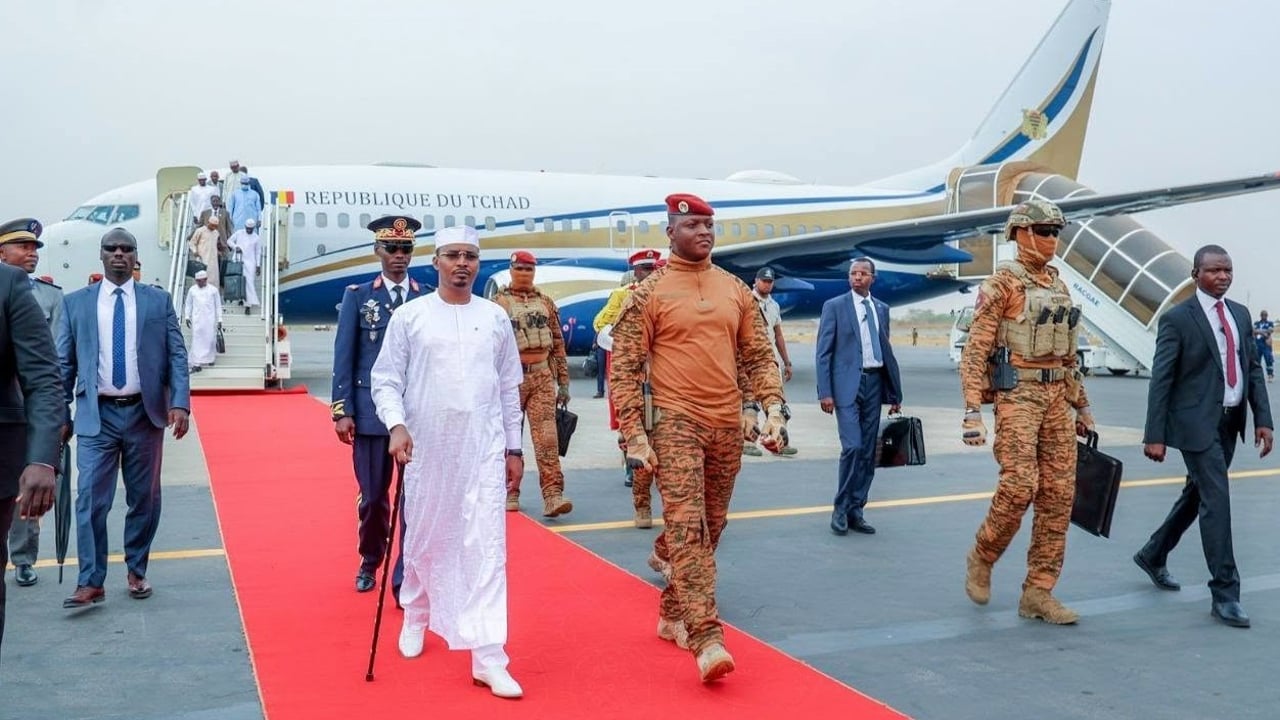
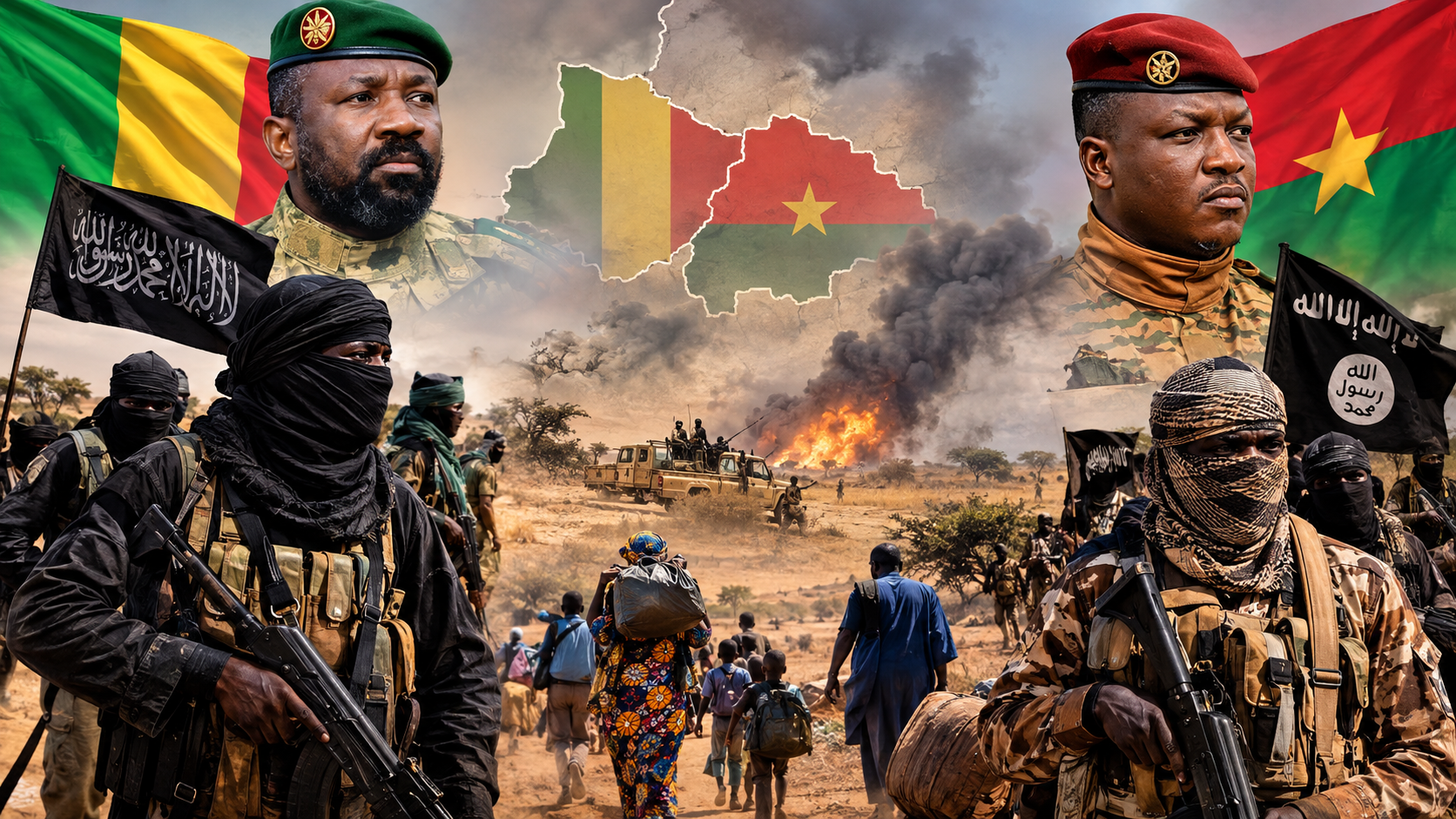
While Algeria’s involvement aligns with its long-standing concerns over regional instability, the absence of significant military support from Mali and Burkina Faso—both AES members—is glaring. Though Bamako and Ouagadougou issued strong political statements condemning the coup attempt and reaffirming their backing for Tiani, their contribution remained confined to rhetoric. The crisis has laid bare a critical gap: the AES, touted as a collective defense pact, has yet to demonstrate operational solidarity when it matters most.
The AES’s empty promises of collective defense
The Alliance of Sahel States was founded in 2023 by Niger, Mali, and Burkina Faso to counter external and internal threats. Yet, when Niger faced its most severe challenge—a military rebellion—its partners offered little more than verbal support. This raises a fundamental question: what value does an alliance hold if it cannot act decisively in moments of crisis?
The contrast between political solidarity and military inaction is stark. While Russia and Algeria provided tangible assistance, Mali and Burkina Faso’s response was limited to condemnations and diplomatic gestures. This imbalance not only weakens the AES’s credibility but also raises doubts about its ability to fulfill its core mission: mutual defense.
The failed coup has exposed the alliance as more aspirational than operational. For a pact built on shared threats and mutual interests, the inability to project force in defense of a member state signals a dangerous disconnect between rhetoric and reality.
A regime surviving, but at what cost?
General Tiani’s government has weathered the storm—for now. Loyalist forces, backed by Russian and Algerian support, reclaimed key installations and quelled the rebellion. Yet this military victory does little to address the root causes of the crisis. The mutiny has exposed divisions within the army, a lack of trust in leadership, and an overreliance on foreign partners whose long-term commitments remain uncertain.
The broader picture is equally troubling. Despite Tiani’s initial vow to restore security, Niger remains under siege from jihadist groups affiliated with Al-Qaeda and the Islamic State. These factions continue to launch deadly attacks, even in areas close to the capital. The attack on Niamey’s airport in 2026 was a grim reminder that no corner of the country is immune. Meanwhile, the military’s exhaustion and high casualties have eroded morale, fueling the very dissent that nearly toppled the regime.
Three years after the coup that brought him to power, Tiani faces a daunting reality: his government is besieged from within and without. The failed mutiny may have been suppressed, but the underlying problems—insurgent violence, military discontent, and regional alliance failures—remain unresolved. For a regime that once promised stability, the path forward looks increasingly uncertain.