In Chad, the political landscape frequently sparks discussions regarding the actual motivations guiding its leadership’s decisions. A pivotal question centers on Mahamat Idriss Déby Itno: does his administration genuinely champion Chadian sovereignty on the international stage, or are external influences shaping the nation’s direction?
Navigating regional alliances and diplomatic ties
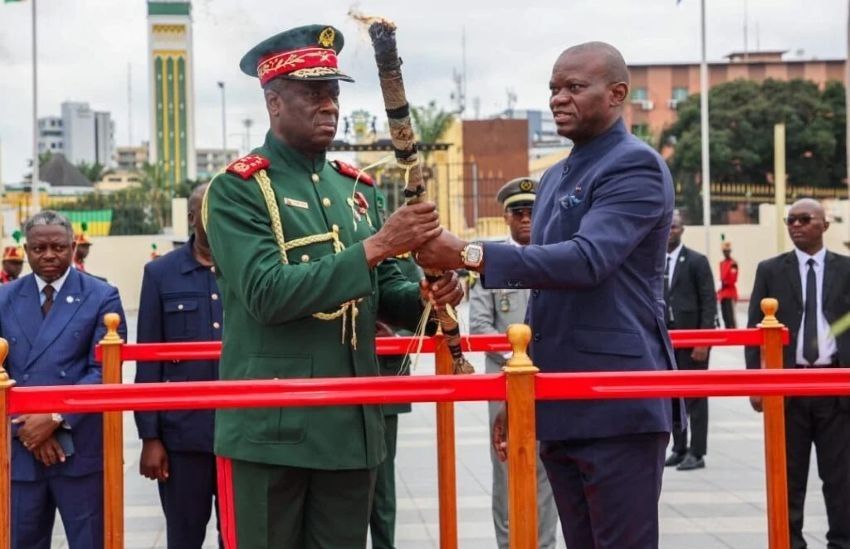
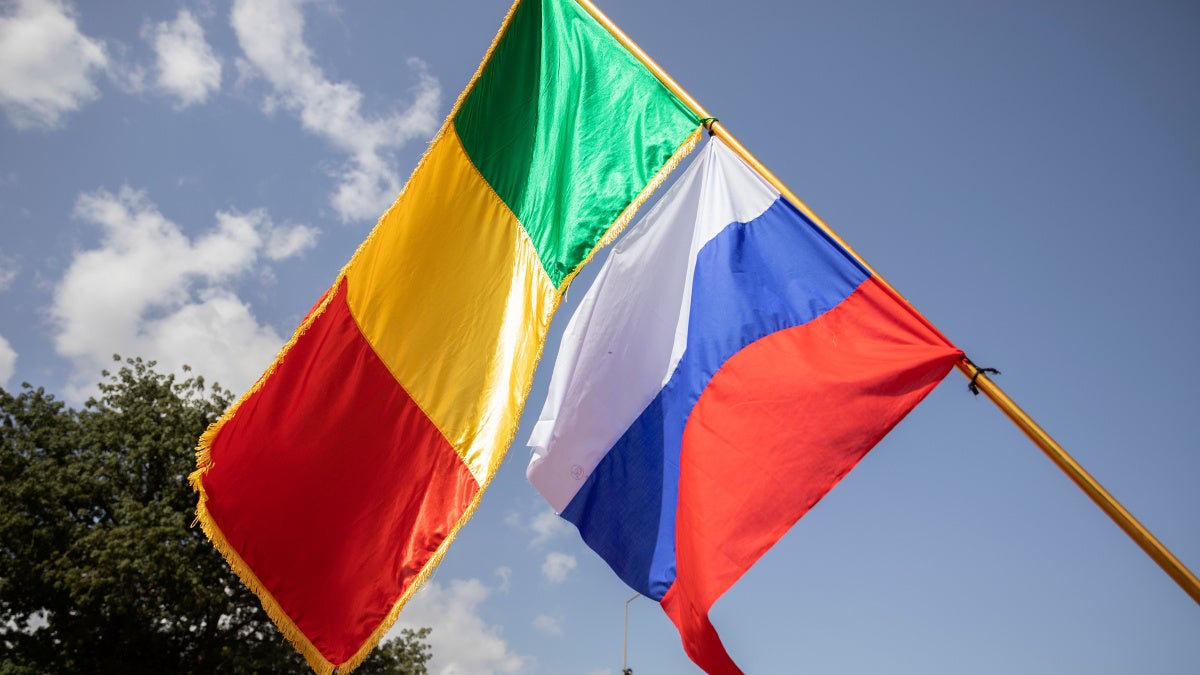
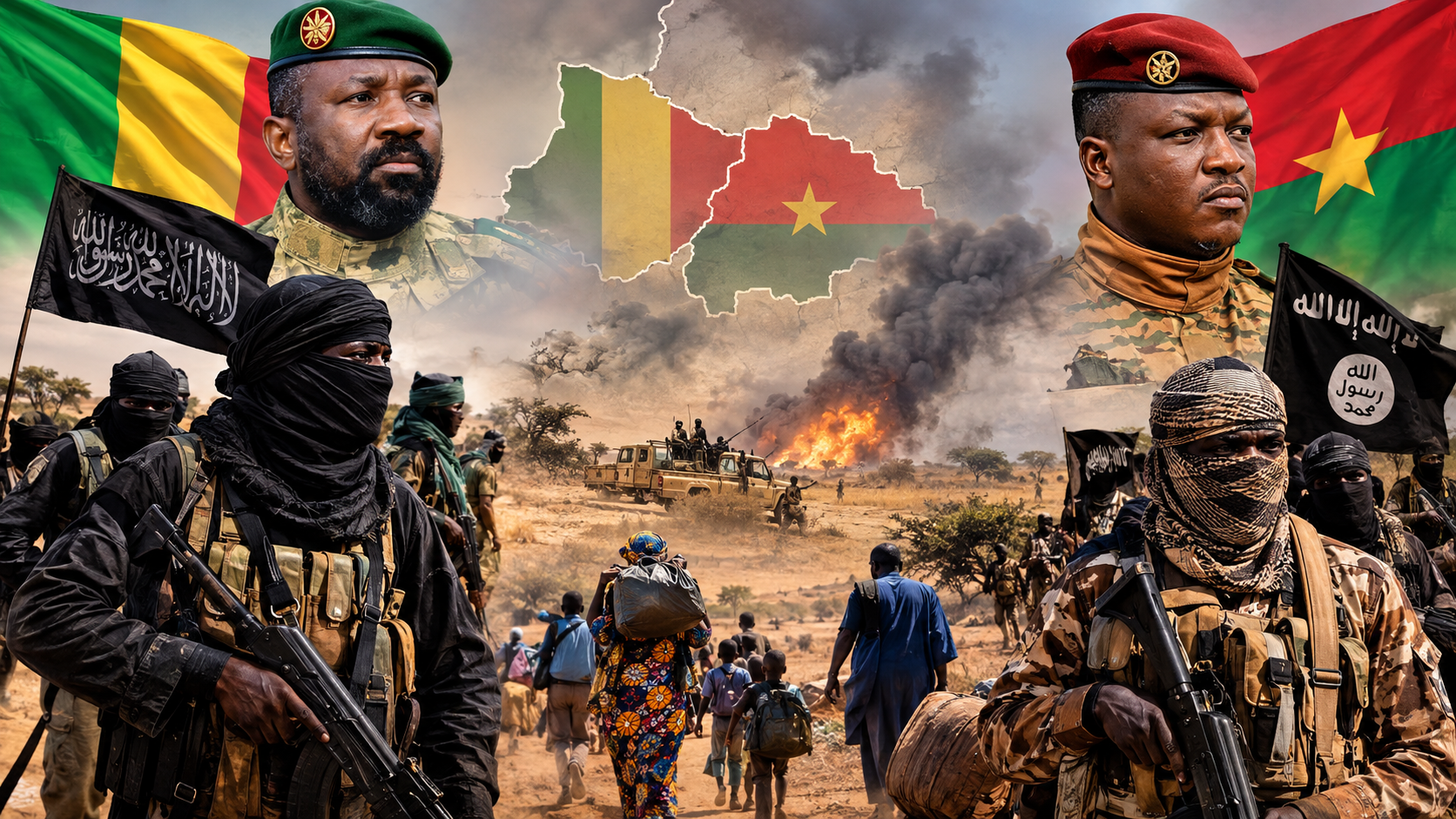
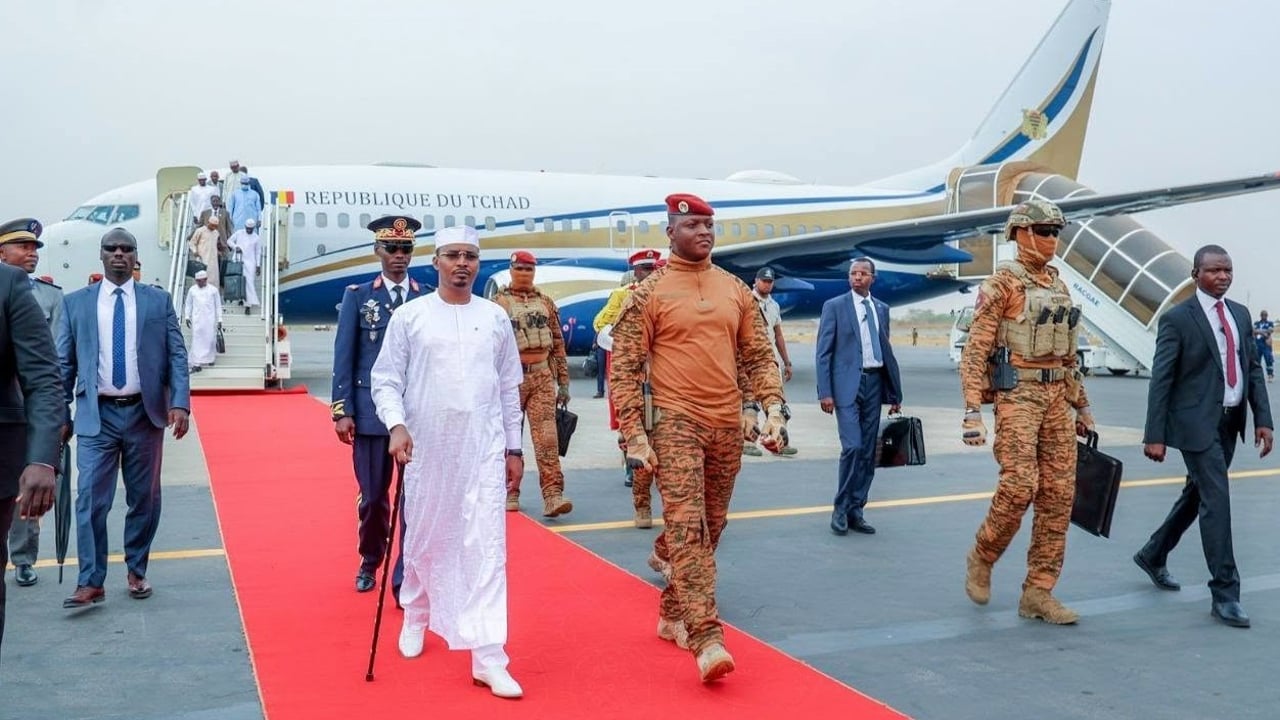
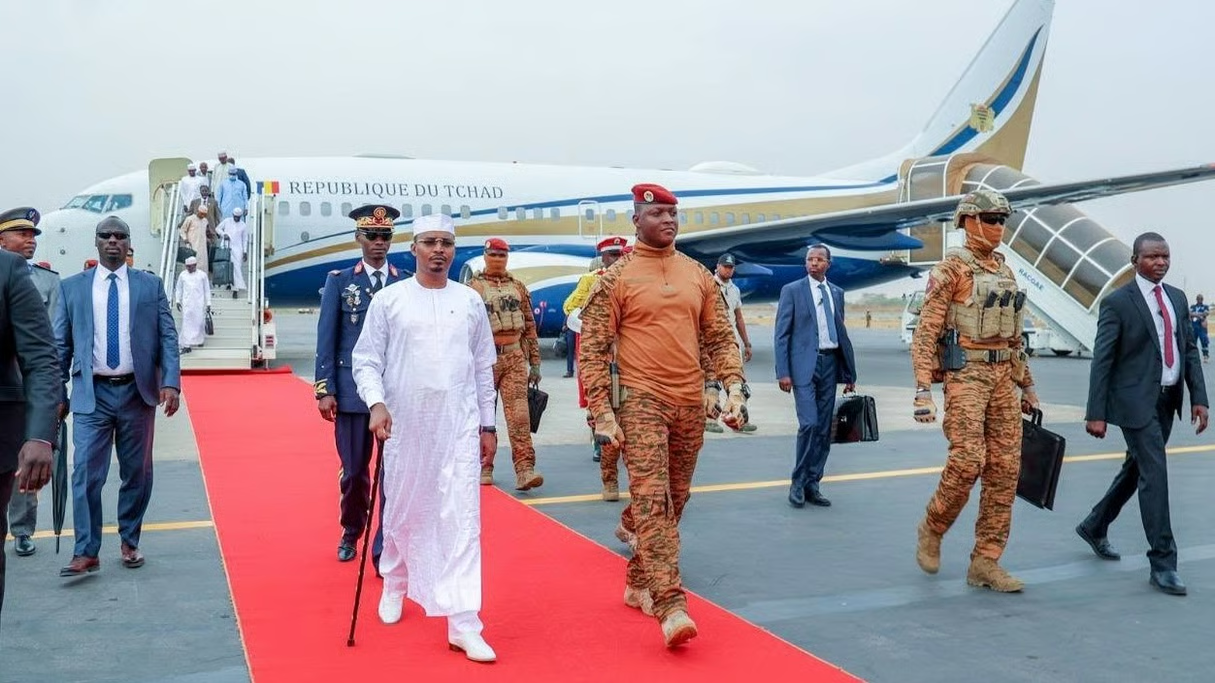
The complexities surrounding Chad’s foreign policy are extensive. Mahamat Idriss Déby Itno’s engagements, such as his notable welcome by Burkinabè junta leader Ibrahim Traoré in Ouagadougou on February 21, 2025, signal evolving regional dynamics. This interaction positions Chad within a broader context, particularly concerning the Alliance des États du Sahel (AES), which also includes Mali, led by Assimi Goïta. The AES has consistently articulated its sovereignist ambitions, seeking to redefine regional security and political frameworks across West Africa.
Chad’s role is indispensable in the Sahel, a region grappling with substantial security and political challenges. While some observers interpret Déby Itno’s actions as a clear commitment to national self-determination, others perceive a delicate balance between asserting independence and maintaining strategic partnerships. The legacy of his father, Idriss Déby Itno, also provides insight into the nation’s historical diplomatic inclinations.
International partnerships and external influences
The inquiry into Chad’s sovereignist path also extends to its relationships with key international actors. Traditional ties with nations like France, represented by figures such as Emmanuel Macron, continue to hold significance. Concurrently, emerging partnerships, notably with the United Arab Emirates, introduce new dimensions to Chad’s diplomatic calculations. These relationships can be viewed as opportunities for diversified cooperation or, conversely, as potential sources of external leverage that could complicate a purely sovereignist agenda.
Ultimately, discerning the true extent of Mahamat Idriss Déby Itno’s sovereignist commitment requires diligent observation of Chad’s evolving policies and its interactions within the intricate geopolitical environment of the Sahel and beyond. The pursuit of national interest in such a dynamic region is rarely straightforward.