Algeria’s strategic push to regain influence in the Sahel amid Morocco’s rise
Algeria has recently intensified its diplomatic efforts toward Mali and Niger, following a period of strained relations that left its influence in the Sahel waning. After fifteen months of severed ties with Bamako, Algiers moved swiftly to restore full diplomatic relations, reopening its airspace to Malian aircraft and welcoming the return of Bamako’s ambassador. The gesture was not merely symbolic—it signaled a broader shift in Algeria’s regional strategy as Morocco deepens its own foothold in the Sahel.
Meanwhile, Algeria’s engagement with Niamey has taken on a more concrete dimension. In early August, the Algerian government delivered four military helicopters to Niger’s armed forces, including two Mi-24V combat helicopters and two Mi-171 transport helicopters, alongside essential spare parts and ammunition. This military support was swiftly followed by high-level economic commitments. The Algerian prime minister visited Niamey to inaugurate drilling at the Kafra Sud-Est 1 oil exploration site, while Algeria’s Sonatrach and Niger’s Sonidep launched their first joint oil export operation. These moves underscore a multi-pronged approach—security, energy, and economic cooperation—to rebuild Algeria’s presence in a region where its historical influence has been challenged.
The shifting sands of the Sahel
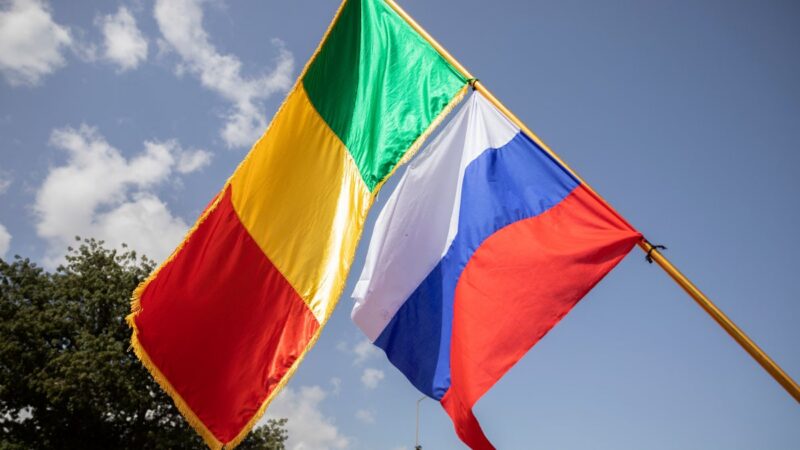
The timing of Algeria’s renewed engagement is no coincidence. The three countries of the Alliance of Sahel States (AES)—Mali, Niger, and Burkina Faso—have distanced themselves from Western partners, strengthened ties with Russia, and forged new mechanisms for regional cooperation. In June, their foreign ministers convened in Bamako to advance the AES’s «Diplomacy pillar», signaling a united front in their dealings with external actors. For Algeria, this evolving landscape presents both a challenge and an opportunity. While the decline of Western influence has left a void, it has also created space for new rivalries—most notably with Morocco, which has methodically expanded its presence through political diplomacy, religious outreach, infrastructure investments, and Atlantic-facing initiatives.
The rivalry with Morocco drives Algeria’s strategy
Observers note that Algeria’s current approach is largely reactive, framed as a counteroffensive to curb Morocco’s growing sway. Analysts had long warned that Algiers’ military strength and energy resources were not translating into commensurate political influence. Morocco, by contrast, has cultivated a web of economic and diplomatic dependencies—from banking and telecommunications to religious education and port development—aimed at creating lasting interdependence. Algeria’s recent moves in Mali and Niger appear designed to prevent Rabat from capitalizing on Algiers’ past missteps. The goal is not merely to regain lost ground but to deny Morocco the political dividends of its advances.
Mali: a fragile but critical reconciliation
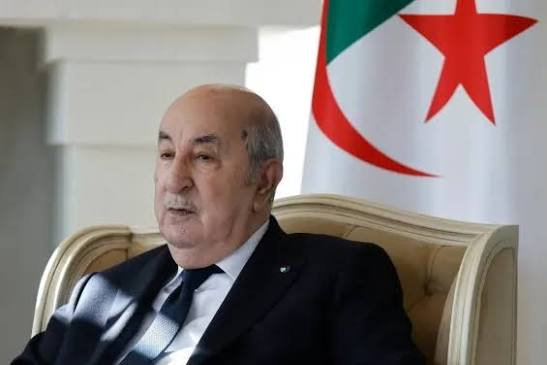
The restoration of Algerian-Malian relations marks one of the most significant developments of the year. Tensions had reached a breaking point after Bamako withdrew from the 2015 peace agreement and accused Algeria of violating its airspace by downing a Malian drone near Tinzaouaten in April 2025. The dispute escalated into a full-blown diplomatic rupture, with both countries recalling their ambassadors and Mali taking its case to the International Court of Justice. Yet by July 10, the two nations had agreed to normalize relations, with Bamako reinstating its ambassador to Algiers and reopening its airspace to Algerian flights. The shift was further underscored in August when Malian Prime Minister Abdoulaye Maïga described a «complete convergence of views» with Algerian President Abdelmadjid Tebboune, particularly on state sovereignty and non-interference. While the rapprochement remains fragile, it offers Algeria a chance to re-engage in regional security and political discussions—a space it once dominated.
Niger: Algeria’s laboratory for influence
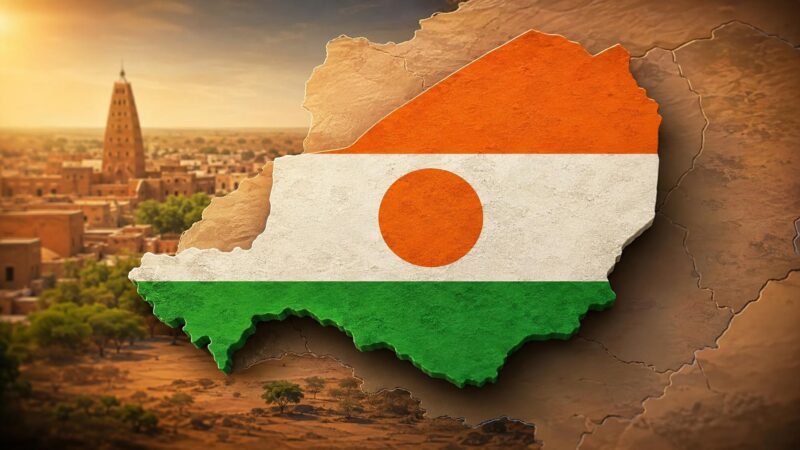
Algeria’s partnership with Niger has evolved into a cornerstone of its Sahel strategy. In March, the two nations held a high-level joint commission covering energy, security, health, and infrastructure, declaring their relationship «strategic and irreversible». The delivery of military helicopters, the resumption of oil joint ventures, and the launch of the Kafra Sud-Est 1 drilling project are tangible proof of this commitment. Yet challenges remain. Despite these advances, Algeria’s influence in the Sahel still lags behind Morocco’s, which has already secured key diplomatic wins—such as Mali’s withdrawal of recognition for the Polisario Front and its endorsement of Morocco’s autonomy plan for Western Sahara. For Algiers, preventing Rabat from further consolidating its gains has become a priority.
A return rooted in necessity, not ambition
Algeria’s current strategy is less about expanding its influence than about reclaiming what it has lost—and ensuring Morocco does not profit from its absence. The country’s long borders with Mali and Niger make regional instability a direct security concern, while its vast energy resources provide a powerful tool for economic engagement. However, to sustain its presence, Algeria must move beyond reactive measures and present a compelling alternative to the Sahel states. Morocco’s head start means Algiers faces an uphill battle. Whether its recent gestures will translate into lasting influence remains uncertain, but one thing is clear: the race for the Sahel is far from over.