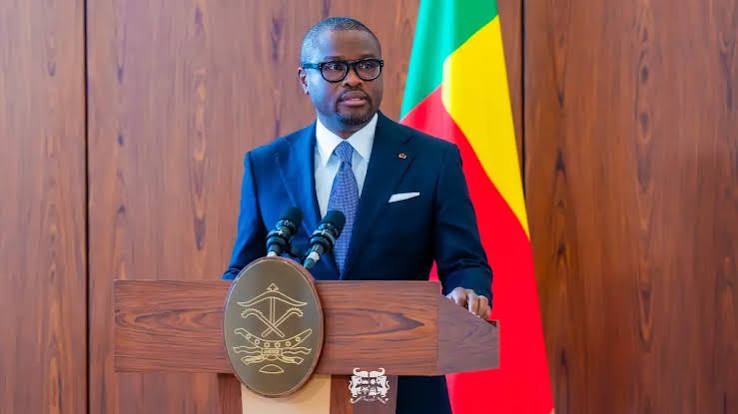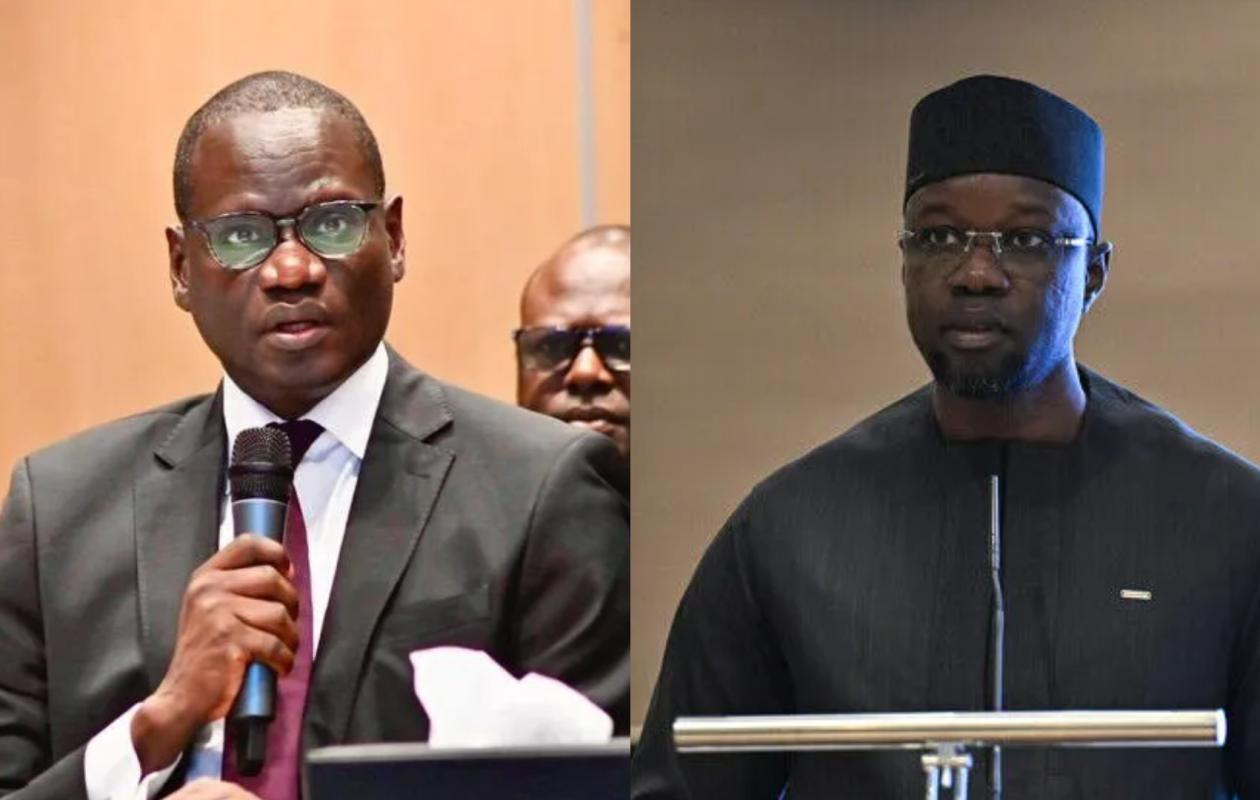
Abdourahmane Diouf scrutinises state vehicle purchases
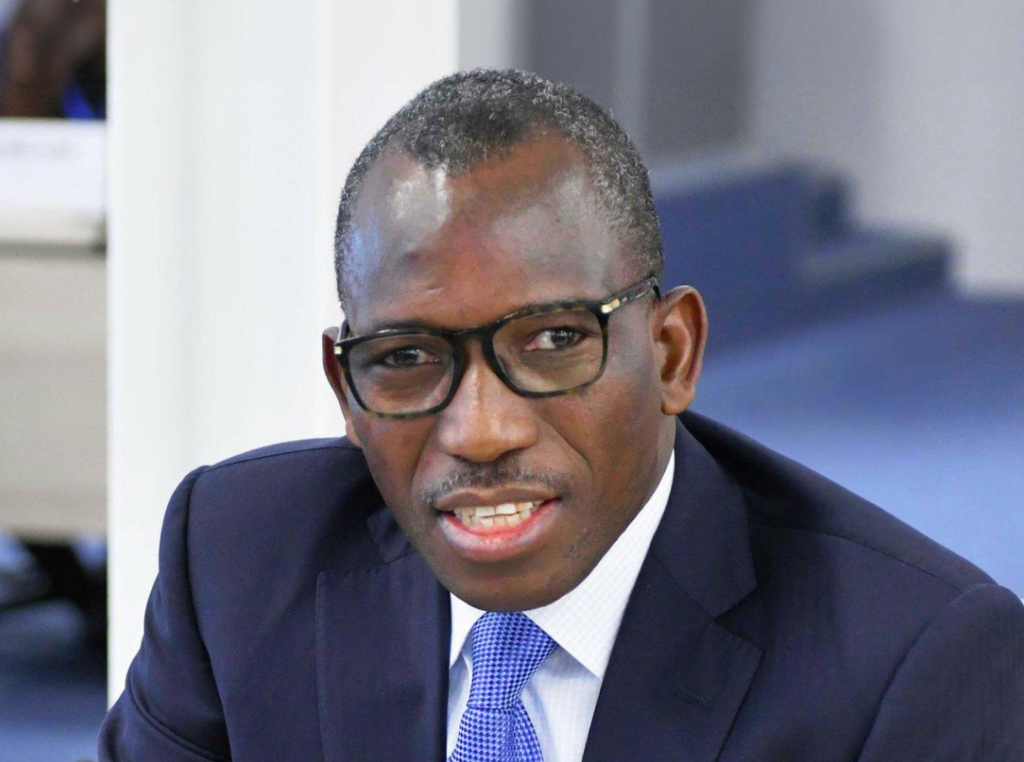
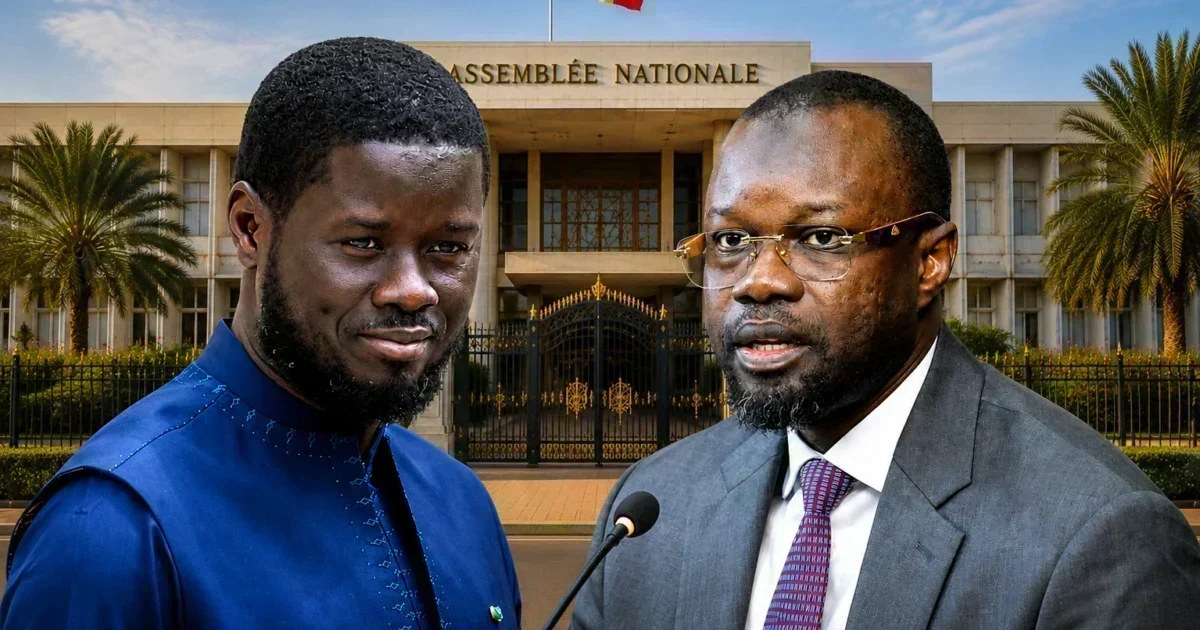
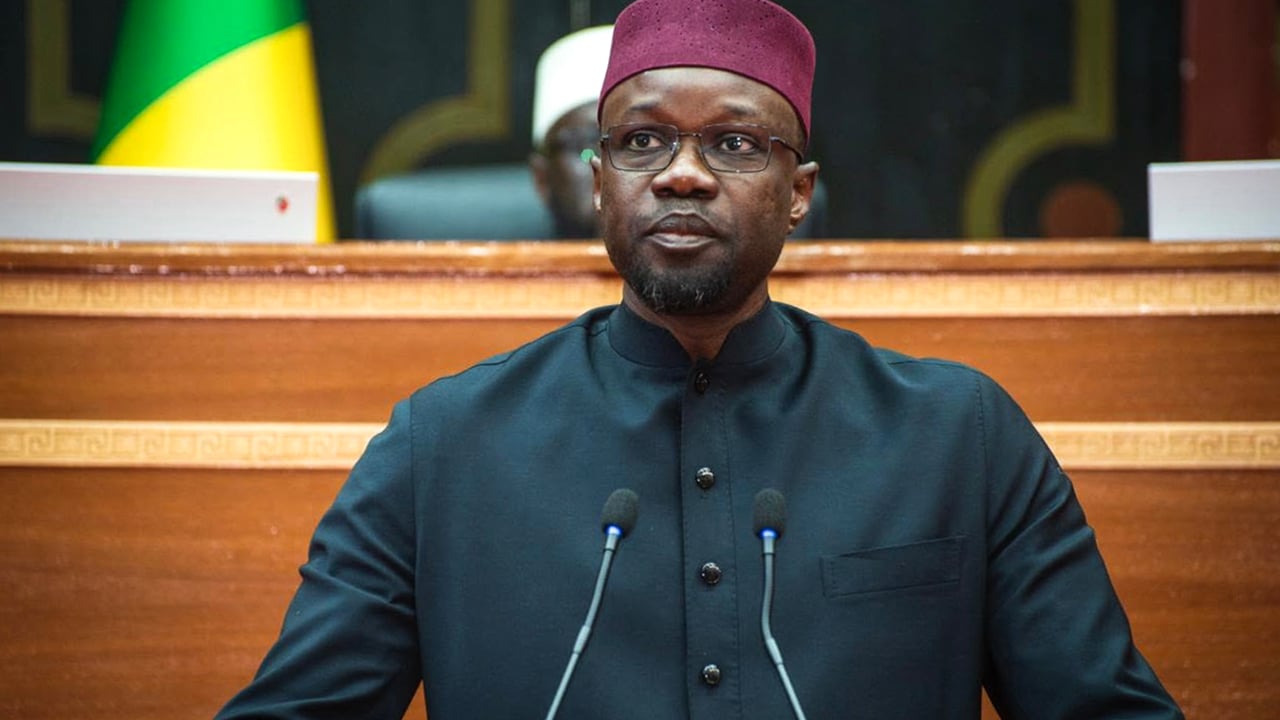
The ongoing debate surrounding the management of political funds within the Primature has taken a new turn. Abdourahmane Diouf recently voiced his concerns regarding past statements made by Ousmane Sonko, who had previously indicated using political funds from the Prime Minister’s office for acquiring vehicles.
The minister recounted his own experience from his tenure overseeing the Higher Education portfolio. He described how his official vehicle broke down en route to a Senegal national team match, just days before a cabinet reshuffle was announced.
“All the cars were rickety,” he explained during a broadcast on Solo Média.
More than 900 million allocated for vehicle acquisitions
Abdourahmane Diouf highlighted that Ousmane Sonko, then serving as Prime Minister, had at one point issued directives prohibiting any vehicle purchases. This makes Sonko’s subsequent declarations about acquiring new vehicles particularly puzzling, Diouf noted.
Diouf asserted that in the same year, Sonko reportedly announced mobilising over 900 million FCFA specifically for purchasing vehicles.
Crucially, Abdourahmane Diouf contended that these were not standard vehicles. “These are Maybachs, luxury cars,” he stated, claiming their acquisition was financed through political funds.
Questions raised about the nature of the vehicles
The minister further suggested that administrative regulations might not permit the state to acquire second-hand assets. He also put forth the idea that the vehicles in question might have been recovered state property.
These statements emerge amidst an intense institutional and political discussion concerning the utilisation of political funds and special credits in Senegal.
At this juncture, the claims regarding the 900 million FCFA amount, the specific type of vehicles, and their acquisition methods are based on declarations made by Abdourahmane Diouf. These assertions will need to be cross-referenced with available administrative and financial records to precisely ascertain the conditions of these purchases.
The ongoing debate surrounding the management of political funds within the Primature has taken a new turn. Abdourahmane Diouf recently voiced his concerns regarding past statements made by Ousmane Sonko, who had previously indicated using political funds from the Prime Minister’s office for acquiring vehicles.
The minister recounted his own experience from his tenure overseeing the Higher Education portfolio. He described how his official vehicle broke down en route to a Senegal national team match, just days before a cabinet reshuffle was announced.
“All the cars were rickety,” he explained during a broadcast on Solo Média.
More than 900 million allocated for vehicle acquisitions
Abdourahmane Diouf highlighted that Ousmane Sonko, then serving as Prime Minister, had at one point issued directives prohibiting any vehicle purchases. This makes Sonko’s subsequent declarations about acquiring new vehicles particularly puzzling, Diouf noted.
Diouf asserted that in the same year, Sonko reportedly announced mobilising over 900 million FCFA specifically for purchasing vehicles.
Crucially, Abdourahmane Diouf contended that these were not standard vehicles. “These are Maybachs, luxury cars,” he stated, claiming their acquisition was financed through political funds.
Questions raised about the nature of the vehicles
The minister further suggested that administrative regulations might not permit the state to acquire second-hand assets. He also put forth the idea that the vehicles in question might have been recovered state property.
These statements emerge amidst an intense institutional and political discussion concerning the utilisation of political funds and special credits in Senegal.
At this juncture, the claims regarding the 900 million FCFA amount, the specific type of vehicles, and their acquisition methods are based on declarations made by Abdourahmane Diouf. These assertions will need to be cross-referenced with available administrative and financial records to precisely ascertain the conditions of these purchases.
Read aloud
Follow updates :