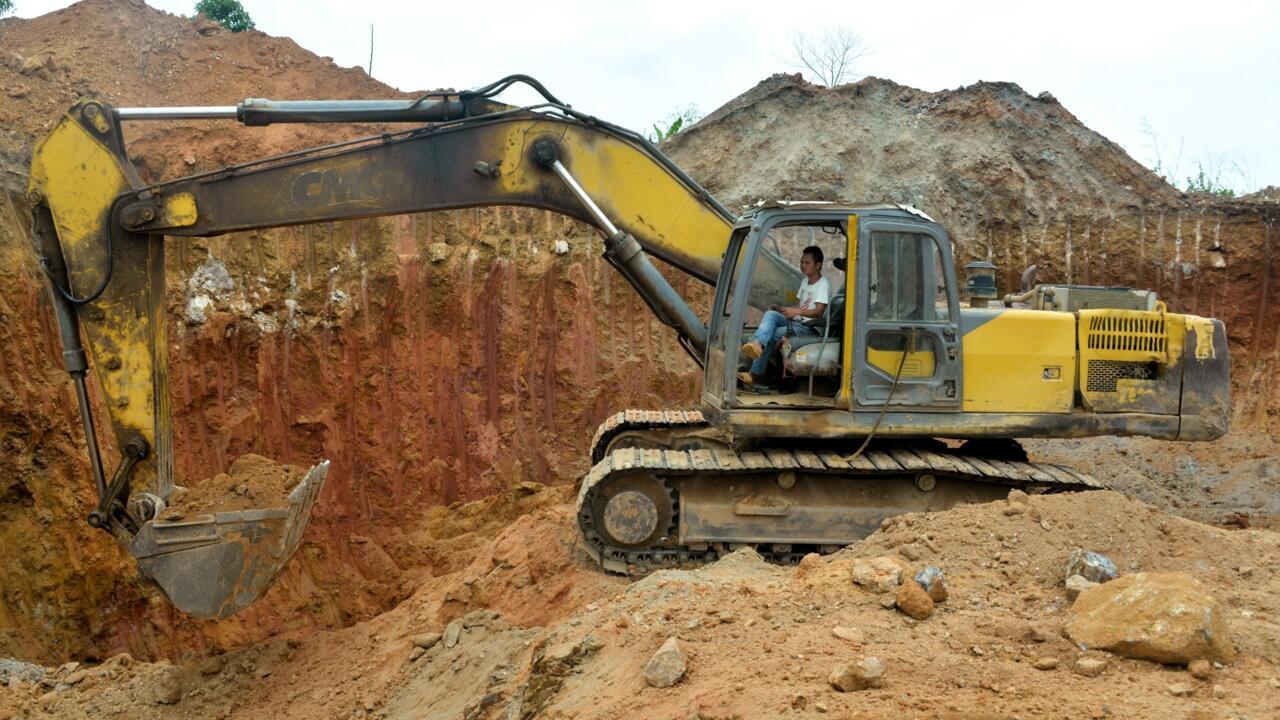
In both Cameroon and the Democratic Republic of Congo, efforts to regulate the gold mining sector have fallen short, with revenues increasingly diverted from state coffers. This stark reality emerges from a recent analysis by the Institute for Security Studies (ISS), highlighting systemic gaps in oversight and accountability.
The Initiative for Transparency in Extractive Industries (ITIE) reported that Cameroon officially exported just 22 kilograms of gold in 2023, a figure starkly at odds with import records showing 15 metric tons purchased by foreign buyers. These discrepancies underscore the urgent need for stricter controls and greater accountability among both domestic and international operators in the region’s gold industry.
challenges in gold governance
The gold sector in Cameroon and the DRC faces persistent challenges, including informal mining operations, smuggling, and weak regulatory enforcement. While governments have introduced measures to formalize artisanal mining and improve revenue collection, implementation remains inconsistent. The result is a significant loss of potential state income that could otherwise fund development projects and social services.
According to Professor Aïcha Pemboura, a researcher at the ISS’s Observatory on Organized Crime and Violence in Central Africa, the lack of transparency and weak governance structures enable illicit activities to thrive. She emphasizes that without robust accountability mechanisms, the benefits of gold mining—both economic and social—will continue to elude local communities.
demands for reform and accountability
Experts are calling for urgent reforms to ensure that all gold mining operators, regardless of origin, comply with national and international transparency standards. Key recommendations include:
- Strengthening regulatory frameworks: Governments must enforce existing laws and close loopholes that allow gold to be smuggled or underreported.
- Enhancing traceability: Implementing systems to track gold from mine to market can help prevent fraud and ensure fair revenue sharing.
- Promoting local participation: Artisanal miners and local communities should be included in decision-making processes to ensure their voices are heard.
- Increasing transparency: Public disclosure of mining contracts, revenues, and export data can deter corruption and build trust.
Professor Pemboura stresses that without these measures, the gold mining sector will remain a source of instability and lost opportunity for countries like Cameroon and the DRC. She argues that transparency is not just a moral imperative but a practical necessity for sustainable development.
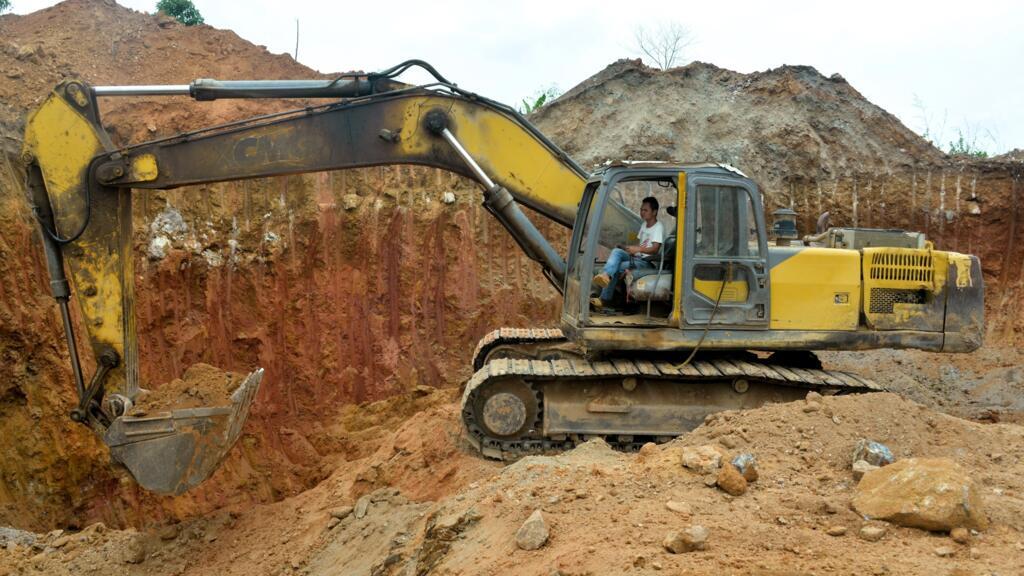
The gold mining sector in Cameroon and the DRC holds immense potential, but its mismanagement perpetuates cycles of poverty and underdevelopment. As Professor Pemboura notes, the time for action is now. Governments, industry stakeholders, and civil society must collaborate to create a fairer and more transparent system that benefits all.