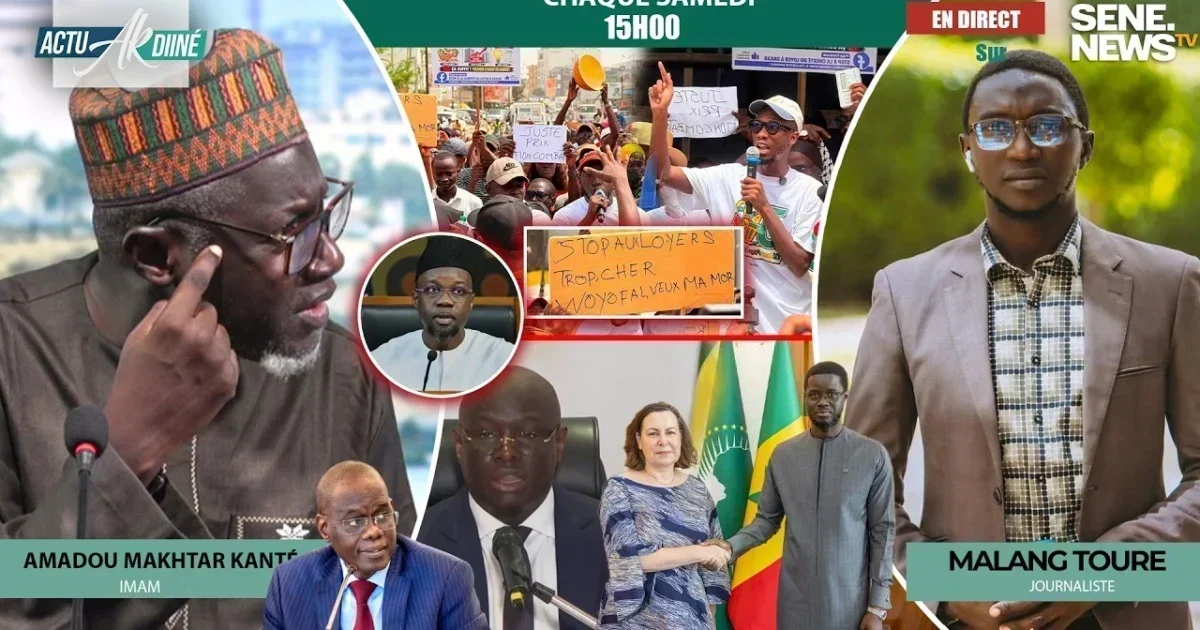
As debates intensify over financial resource management and economic sovereignty, this analysis sheds light on the critical decisions awaiting Senegal. The recent approval of a substantial loan by the International Monetary Fund (IMF) and the ambitious projects championed by Prime Minister Ousmane Sonko are examined in depth, offering a comprehensive overview of the country’s economic trajectory.
Understanding the IMF loan agreement
The IMF’s decision to grant Senegal a loan of 2.2 billion dollars marks a significant milestone in the bilateral cooperation between the two parties. This financial package aims to support Senegal’s economic reforms and stabilisation efforts, providing a much-needed fiscal buffer amidst global uncertainties. Analysts view this as a vote of confidence in Senegal’s economic management, despite underlying political tensions that have occasionally strained relations with international partners.
Ousmane Sonko’s economic vision
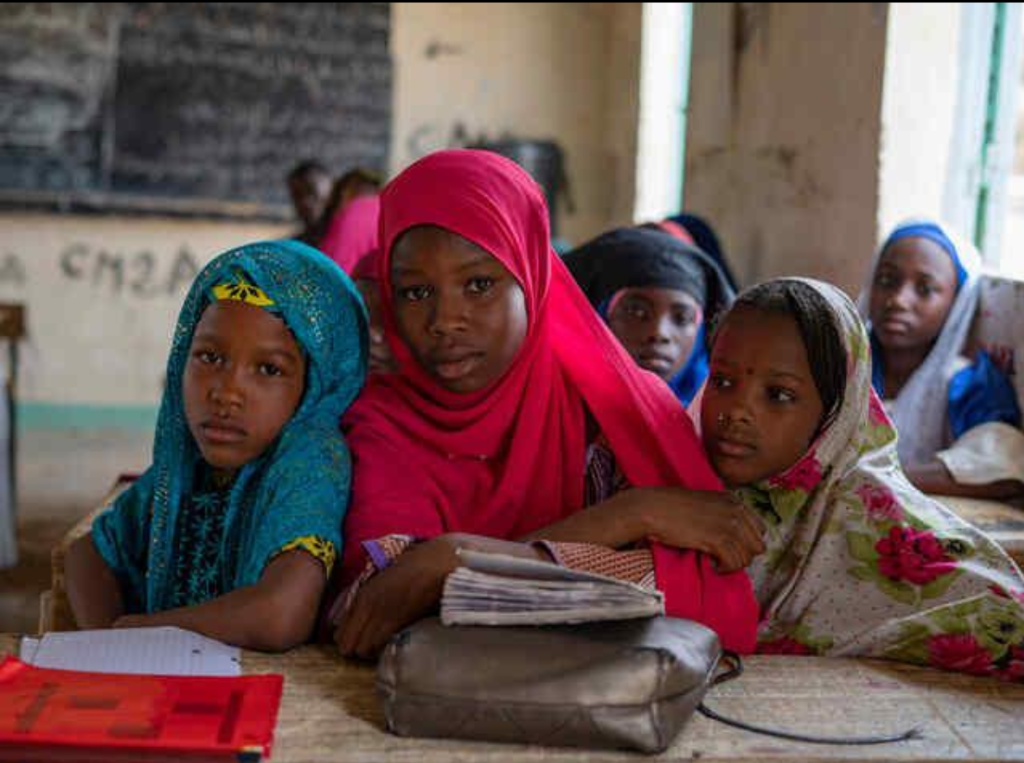
Prime Minister Ousmane Sonko has articulated a clear vision for Senegal’s future, focusing on self-reliance and sustainable development. His projects, though ambitious, are designed to reduce dependency on external aid and promote local industries. Sonko’s administration has emphasised transparency and accountability, promising to channel the IMF funds into infrastructure, education, and healthcare, thereby addressing long-standing socio-economic disparities.
Political dynamics and sovereignty concerns
The interplay between the IMF loan and Sonko’s projects is not without controversy. Critics argue that accepting such loans could compromise Senegal’s economic sovereignty, a concern that resonates strongly in a region where many nations are reassessing their relationships with international financial institutions. Sonko, however, maintains that the loan is a strategic tool, not a constraint, and insists that Senegal will dictate its own development agenda.
Implications for Senegal’s economic future
As Senegal navigates this complex landscape, the outcomes of these financial and political manoeuvres will be closely watched. The successful implementation of Sonko’s projects could serve as a model for other West African nations grappling with similar challenges. Conversely, any misstep could fuel further political instability and economic setbacks. This analysis underscores the delicate balance between external support and domestic autonomy, a theme that resonates across the Sahel region.