Gabon advances unified tax and customs modernization drive
Libreville, July 19, 2026 – A nation’s capacity to fund its growth hinges on its ability to protect and maximize public revenue. In Gabon, this principle is taking on fresh urgency as authorities accelerate reforms in tax and customs administration. By merging the strategic objectives of the General Directorate of Customs and Indirect Taxes with those of the General Directorate of Taxes, the government is implementing a coordinated approach to public finance management that promises greater efficiency, transparency, and resilience against financial leakage.
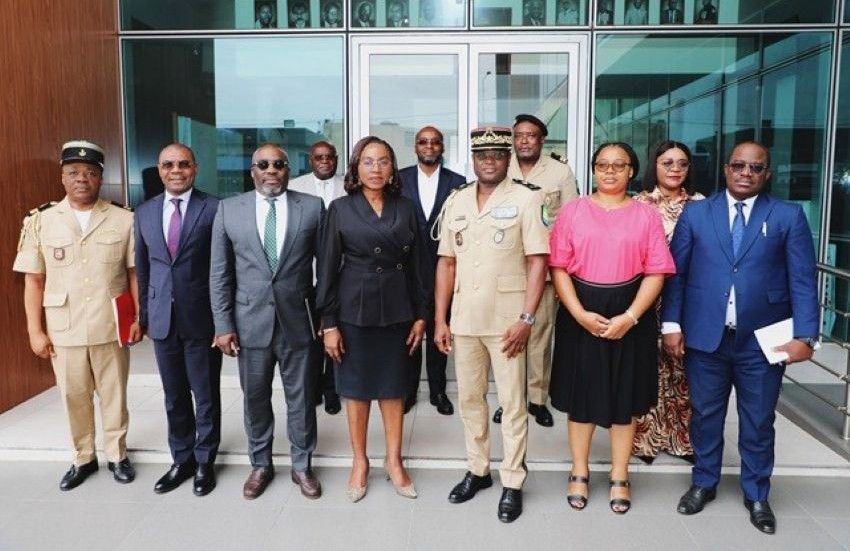
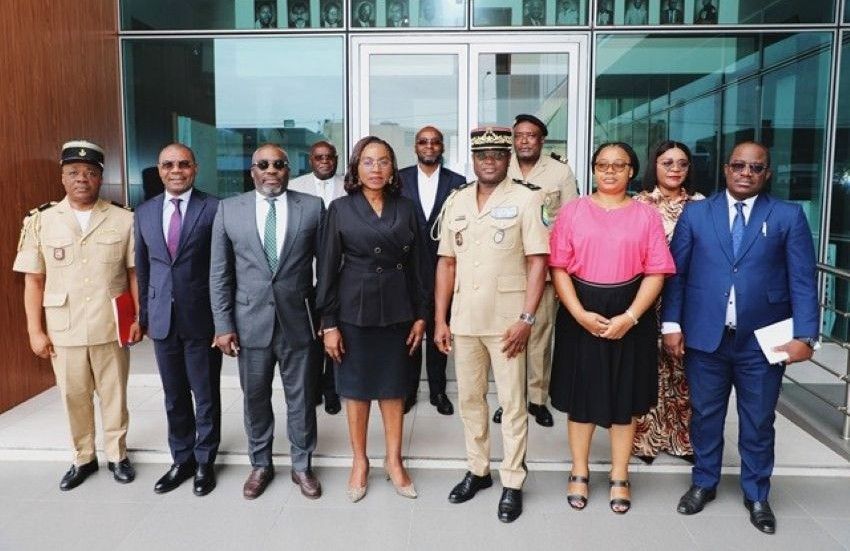
This initiative goes beyond routine administrative coordination. It represents a fundamental shift in governance, where cross-departmental collaboration becomes a cornerstone of fiscal sovereignty, economic clarity, and fraud prevention. On July 14 in Libreville, the two agencies’ top leaders—Brigadier General Hugues Modeste Odjangou, Director General of Customs and Indirect Taxes, and Édith Laure Oyaya épouse Mbiguidi, Director General of Taxes—launched a comprehensive program to deepen operational synergy between Gabon’s two primary revenue-collection bodies. The move aligns with the government’s broader push to prioritize domestic resource mobilization, supporting major infrastructure projects, public services, and economic diversification efforts.
A new public revenue management doctrine
In progressive economies worldwide, tax and customs authorities no longer operate in isolation. The exchange of data, cross-referencing of intelligence, and joint enforcement actions have become standard tools for boosting tax yield while minimizing fraud opportunities. Gabon is now formalizing this model. During their working session, the directors outlined key priorities: shared fiscal and customs intelligence, coordinated field inspections, pooled operational resources, and unified strategies to combat tax evasion, customs violations, and illicit trade networks.
This integrated approach reflects the vision of President Brice Clotaire Oligui Nguema, who has consistently championed a more agile, result-oriented administration. In an era where every public franc counts, securing domestic revenue streams has become a strategic imperative for national development.
Institutional framework cementing the partnership
The momentum in Gabon is no longer merely political; it is now anchored in law. Officials confirmed that Order No. 073/MEFDPLVC of April 10, 2026, which established the Joint Tax-Customs Commission, serves as the legal bedrock of this collaboration. The framework mandates joint audits in line with CEMAC customs regulations and streamlines information flow between the two agencies.
This places Gabon in league with African peers like Rwanda, Morocco, and Côte d’Ivoire, where close cooperation between tax and customs authorities has delivered measurable gains in revenue performance and curbed informality and tax avoidance. Technical teams are now preparing for the commission’s operational launch, which will oversee implementation, monitor progress, and coordinate future joint operations.
A reform with national implications
The July 14 meeting signals a paradigm shift in Gabonese public administration. Once viewed as independent entities with separate mandates, Customs and Taxes are now united by a shared mission. Together, they account for the bulk of state revenue—making their alignment a critical lever for expanding fiscal space without resorting to punitive measures against compliant taxpayers.
The primary target remains fraud, misreporting, opaque trade channels, and other practices that drain vital resources needed for national progress. This institutional alliance also sends a powerful signal to international partners, investors, and financial institutions. It underscores Gabon’s commitment to modernizing its economic governance, safeguarding domestic revenue, and enhancing the credibility of its financial administration.
Beyond administrative restructuring, this initiative embodies a larger ambition: building a state that better protects its assets, funds its priorities through internal revenues, and cultivates a more effective, transparent, and performance-driven public sector. In this context, the partnership between Customs and Taxes is less a bureaucratic merger than a foundational pillar of Gabon’s emerging financial architecture—one designed to endure and deliver long-term value.