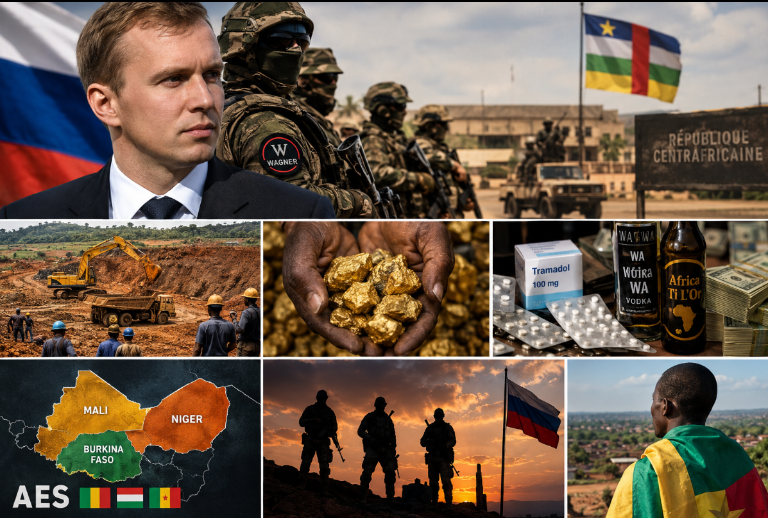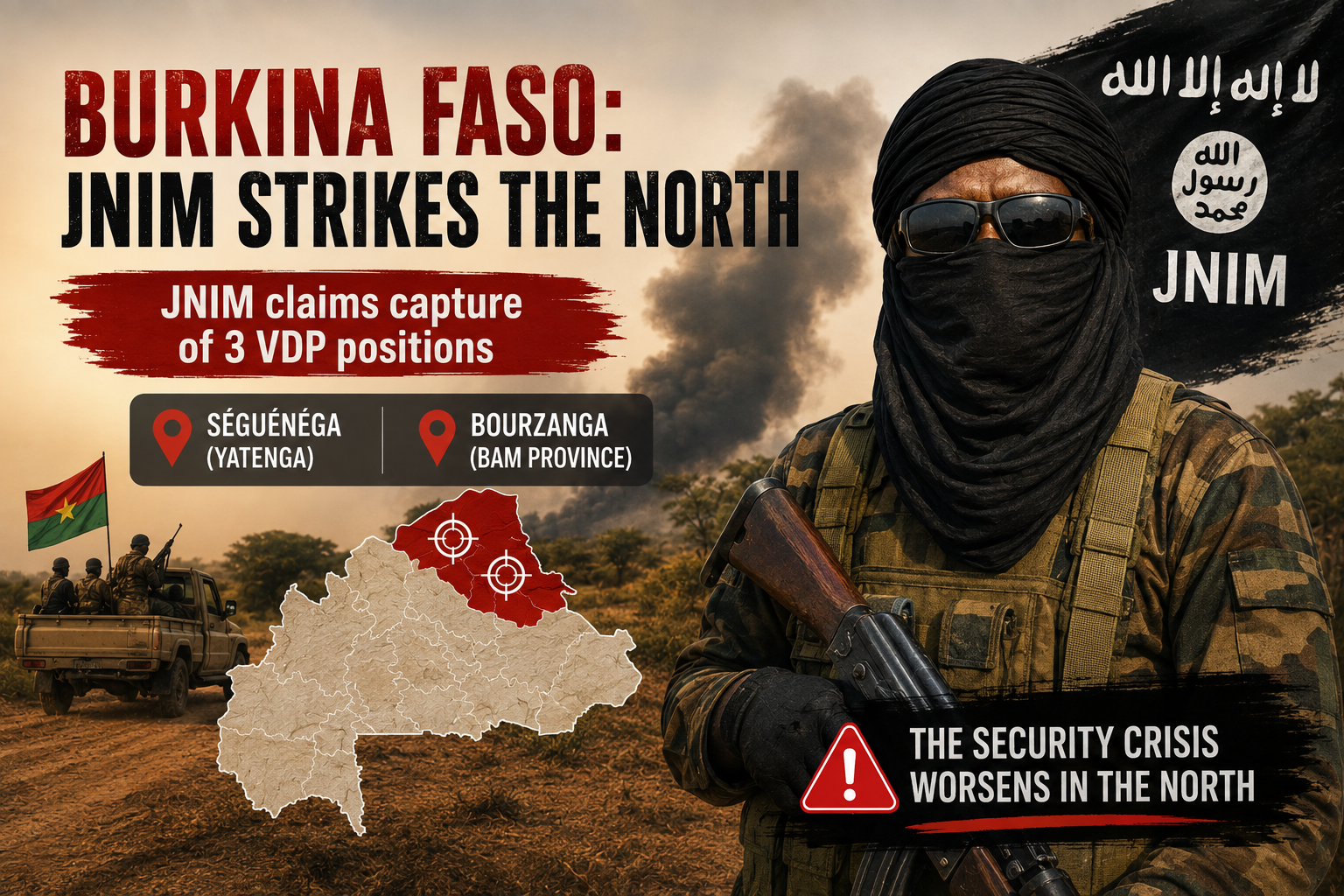
The ongoing security crisis in Burkina Faso continues to deepen, casting doubt on the government’s communication strategy. This past Wednesday, the JNIM terrorist faction claimed responsibility for seizing three strategic positions held by the Volontaires pour la défense de la patrie (VDP) in the northern region. The attacks, marked by extreme violence, targeted Séguénéga in Yatenga and Bourzanga in Bam province. This latest setback underscores the persistent challenge of maintaining control over recently secured or stabilized areas.
Military setbacks and their broader implications
The surge in attacks, coupled with the relentless pressure on civilian communities and the ongoing vulnerability of certain outposts, highlights a critical reality: military operations alone cannot provide a sustainable solution. Effective security requires more than temporary reconquest it demands a consistent state presence, robust intelligence, reliable supply lines, and, above all, genuine protection for local populations.
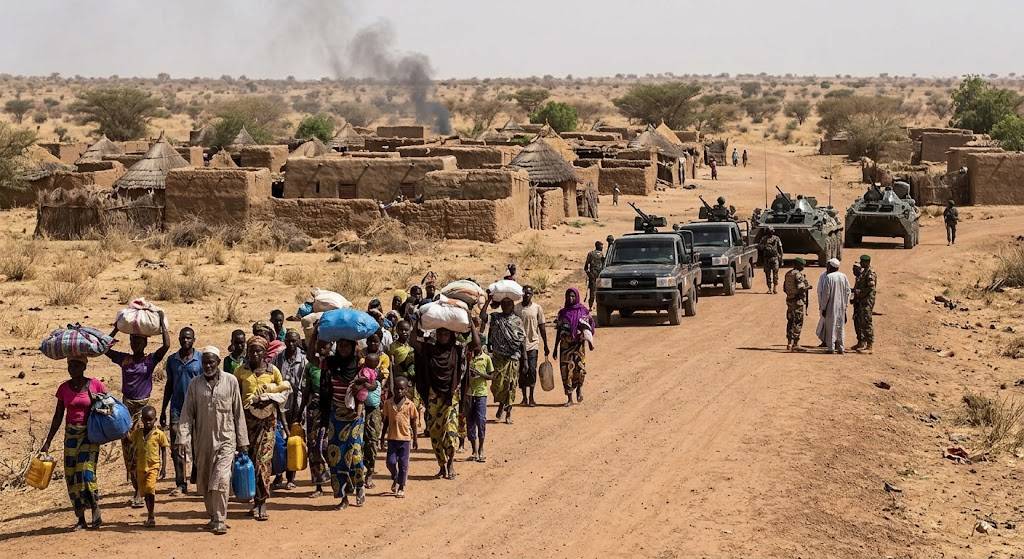
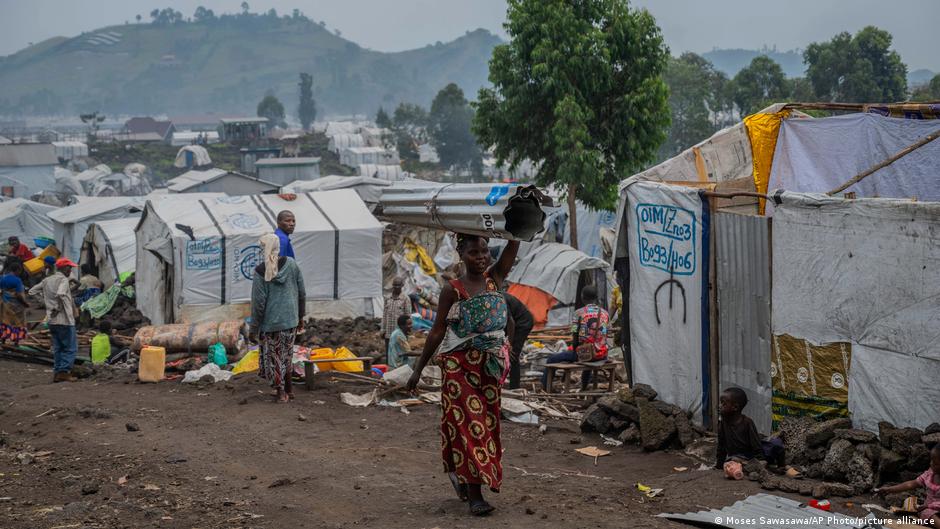
The role of the VDP, central to Burkina Faso’s security framework, places them repeatedly on the front lines. Equipped with limited resources and facing adversaries with superior mobility and firepower, each territorial loss carries consequences beyond the battlefield. It undermines public trust, accelerates displacement, and complicates humanitarian access all of which exacerbate an already dire situation.
Government responses fall short amid rising threats
As the security landscape deteriorates, the leadership under Captain Ibrahim Traoré has drawn criticism for its approach to crisis management. Rather than addressing the structural weaknesses in the country’s security apparatus, political messaging has become erratic and populist in tone. These speeches, lacking clear direction, appear to be attempts at deflection rather than coherent crisis resolution. While they may resonate with certain segments of the population, they do little to safeguard villages, secure roads, or prevent attacks on military and auxiliary positions.
The core issue is no longer about the narratives being advanced by the authorities, but about tangible improvements in the daily lives of Burkinabè citizens. When communities remain exposed, villages are abandoned, or strategic positions are overrun despite substantial efforts, the shortcomings lie not in rhetoric but in operational effectiveness and accountability.
Press freedom under siege as critical voices are silenced
The space for independent analysis and dissent has been severely restricted. Once a vibrant media landscape, Burkina Faso’s press now operates under severe constraints. Journalists and independent voices face systematic repression arrests, forced conscription into so-called “re-education” camps, or deployment to frontline positions under the guise of patriotism. Their crime? Seeking to report the truth.
In a conflict environment, unrestricted access to information is vital. It enables scrutiny of successes and failures, alerts authorities to emerging threats, and ensures that civilian suffering is not overlooked. Suppressing those who document reality does not erase the underlying issues; it merely widens the gap between official narratives and ground-level realities.
Transparency is non-negotiable in counterterrorism efforts
As the crisis intensifies, the demand for transparency, critical evaluation, and open debate grows. Yet, the space for such discourse is shrinking. A robust security strategy cannot thrive in an environment of denial. Recognizing setbacks, identifying their causes, and correcting course quickly are essential to adapting to evolving threats. Avoiding scrutiny may offer short-term political relief, but it deprives decision-makers of the insights needed to refine their approach.
By restricting free press and independent reporting, the government risks entrenching itself in a dangerous disconnect from reality. Counterterrorism demands firmness and unity, but it also requires honesty, responsibility, and the courage to confront failures. Ultimately, the measure of success is not found in speeches or slogans, but in the safety and stability of Burkina Faso’s people. Until armed groups continue to inflict losses and expand their influence, the government must be held accountable for delivering real, measurable results.