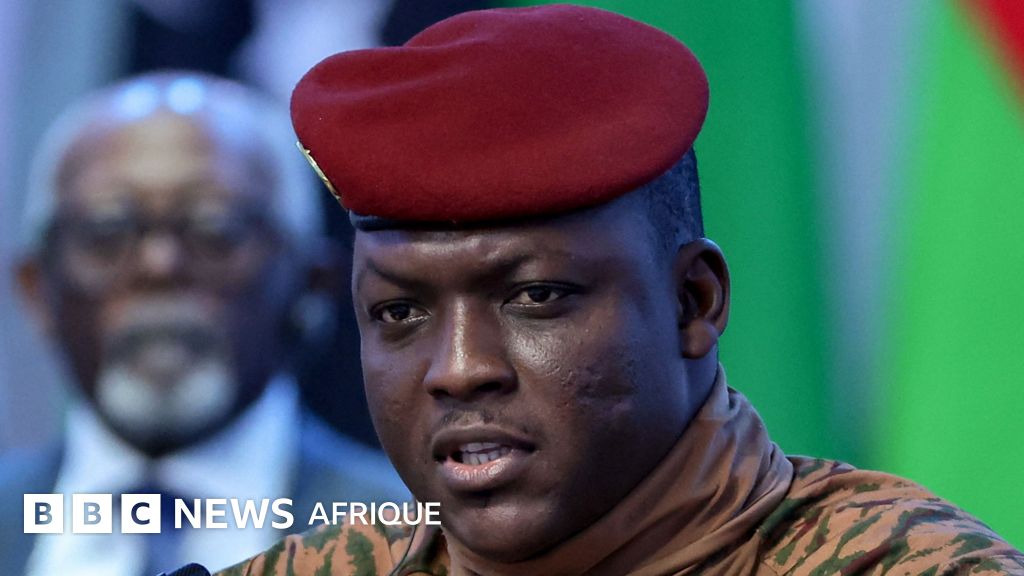
Burkina Faso’s military leader has declared that democracy is “dead” for his nation, urging citizens to “forget” the concept entirely. In a televised interview on national television, Captain Ibrahim Traoré made sweeping statements about the nation’s political future, suggesting that traditional democratic systems are incompatible with Burkina Faso’s needs.
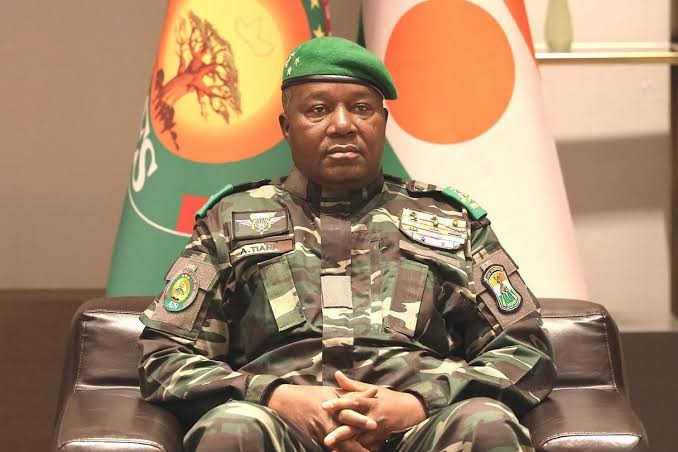
Ibrahim Traoré during his national television interview
Military ruler dismisses democratic governance as incompatible with Burkina Faso
The 38-year-old leader, who seized power in a 2023 coup, argued that Burkina Faso must abandon democratic aspirations entirely. “People must forget about democracy. Democracy is not for us,” he stated emphatically during the primetime broadcast.
Traoré claimed that democracy brings nothing but “bloodshed” to nations where Western powers impose it, citing Libya as a cautionary example. The North African nation descended into chaos following NATO’s intervention that toppled Muammar Gaddafi, leaving the country without stable governance for over a decade.
Failed promises and extended military rule
Initially promising a return to constitutional rule by July 2024, Traoré’s junta has since extended its mandate by five years, effectively postponing any democratic transition. The announcement came just two months before the originally scheduled deadline, raising concerns about the military’s commitment to civilian governance.
In a recent development, Burkina Faso’s authorities banned all political parties in January, claiming they were “divisive” and incompatible with the nation’s revolutionary goals. The move transferred party assets to state control as part of what authorities describe as efforts to “rebuild the state.”
Vision for a new Burkina Faso
Traoré’s alternative vision emphasizes sovereignty, patriotism, and revolutionary mobilization. He envisions traditional leaders and grassroots structures playing central roles in governance, though he has yet to outline specific mechanisms for this system.
The military leader criticized Burkina Faso’s political class, describing them as “liars, flatterers, and manipulators” who embody all vices. “A real politician here is someone who embodies all the faults,” he asserted, suggesting his approach would break from this perceived corruption.
Economic and military self-sufficiency form cornerstones of this new model. Traoré argued that Burkina Faso cannot progress with standard working hours, stating that longer days are necessary to catch up with more developed nations.
Regional context and ongoing conflicts
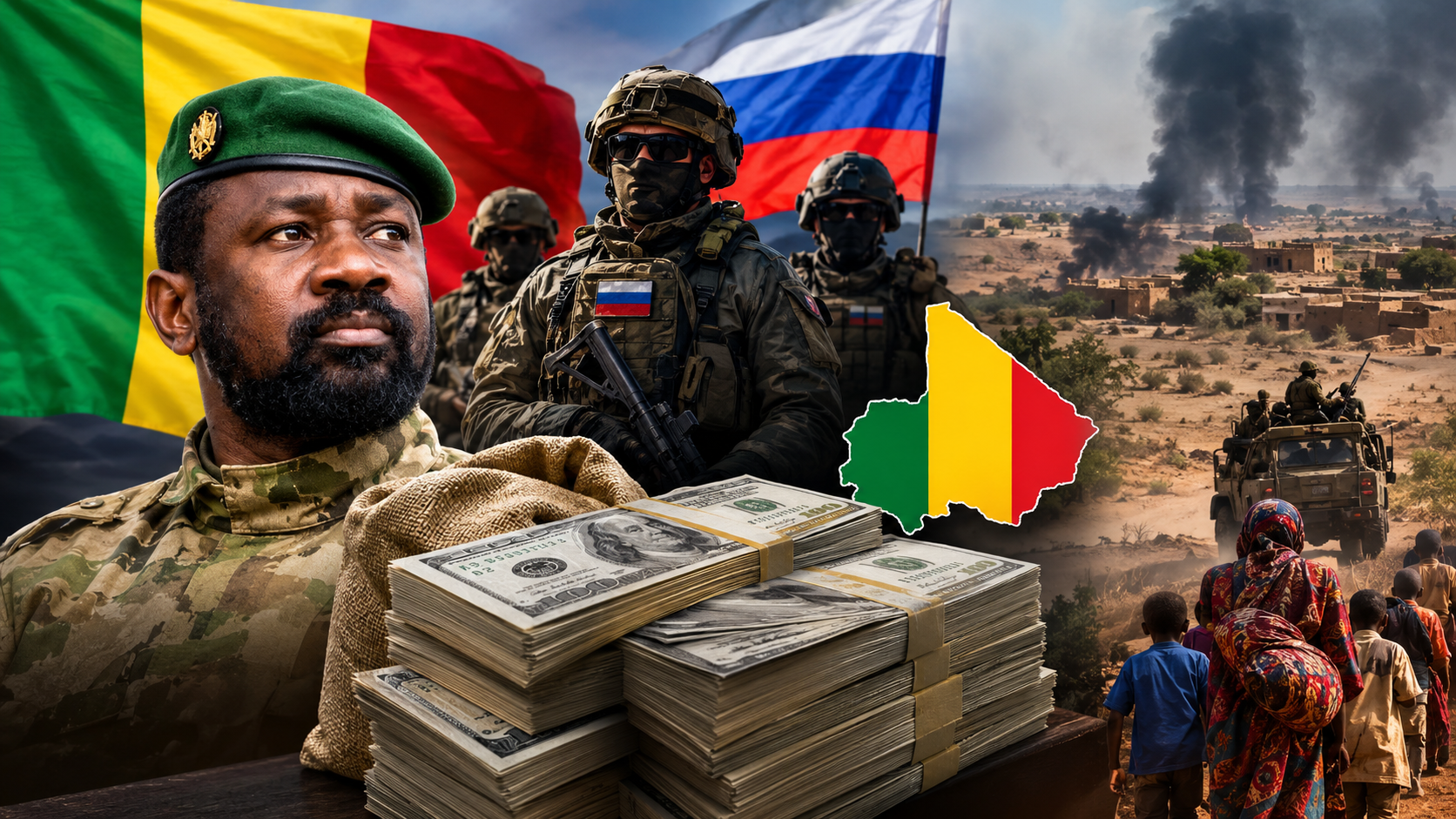
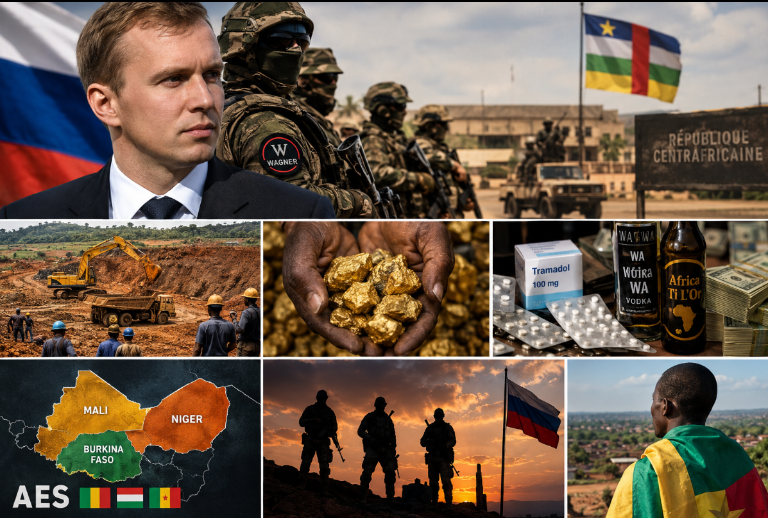
Burkina Faso’s rejection of democracy aligns with neighboring military-led governments in Mali and Niger, which have similarly distanced themselves from Western powers in their fight against Islamist insurgencies. These three Sahel nations have turned to Russia for military support, though violence continues unabated across the region.
Human rights organizations report alarming civilian casualties in Burkina Faso since Traoré’s takeover. According to monitoring groups, over 1,800 civilians have been killed since 2023, with military forces and allied militias responsible for two-thirds of these deaths.
Domestic repression and continental support
The military government has systematically suppressed dissent, targeting opposition figures, media outlets, and civil society organizations. Critics face severe consequences, with reports of government opponents being sent to frontline positions against Islamist militants.
Despite these controversial measures, Traoré enjoys significant continental support for his anti-Western rhetoric and panafricanist stance. His rejection of democracy resonates with many Africans frustrated by Western influence in the continent’s affairs.