Burkina Faso’s military leader declares democracy irrelevant to the nation’s future
- Reading time: 5 minutes
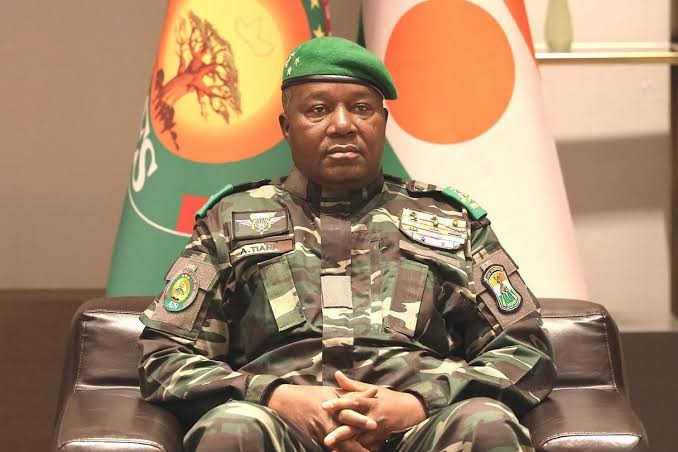
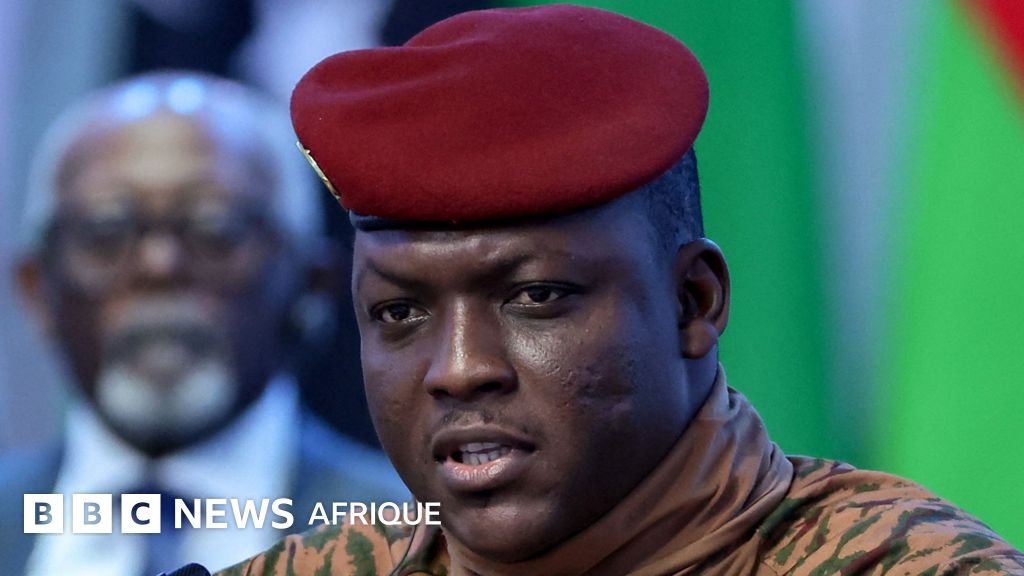
The leader of Burkina Faso has delivered a blunt message to his nation: democratic governance is not the solution to the country’s challenges. Speaking during a nationally televised interview, Captain Ibrahim Traoré declared that Burkinabé citizens must abandon any hope of democratic reform, arguing that the system has failed the nation and only brought instability.
Since seizing power in a military coup three years ago, Traoré has repeatedly postponed elections originally scheduled for July 2024, most recently extending his transitional mandate by five years. His government has also banned all political parties, consolidating authority under military rule while justifying the move as necessary to rebuild the state from its foundations.
During the Thursday evening broadcast, Traoré made his position clear: « The people must forget about democracy. Democracy is not for us. » He went further, suggesting that most Africans reject the democratic model, though he provided no evidence to support this claim.
The 38-year-old leader, who positions himself as a revolutionary figure opposing Western imperialism, drew a parallel with Libya—a country he described as a cautionary tale. Under the decades-long autocratic rule of Colonel Muammar Gaddafi, Libya provided free education, healthcare, and housing, yet fell into chaos after his ousting in a Western-backed rebellion. Traoré implied that Burkina Faso must avoid a similar fate by rejecting democracy altogether.
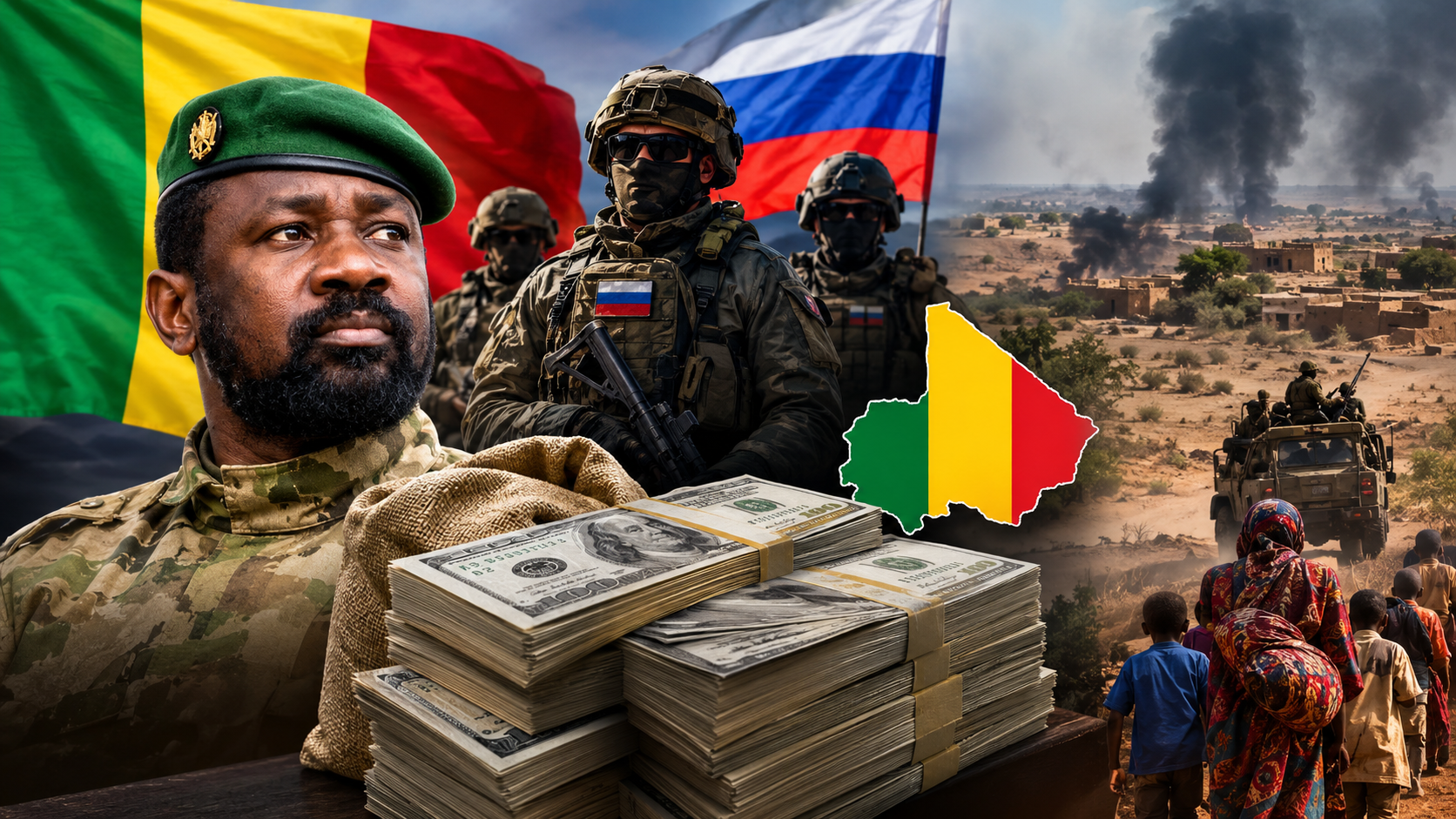
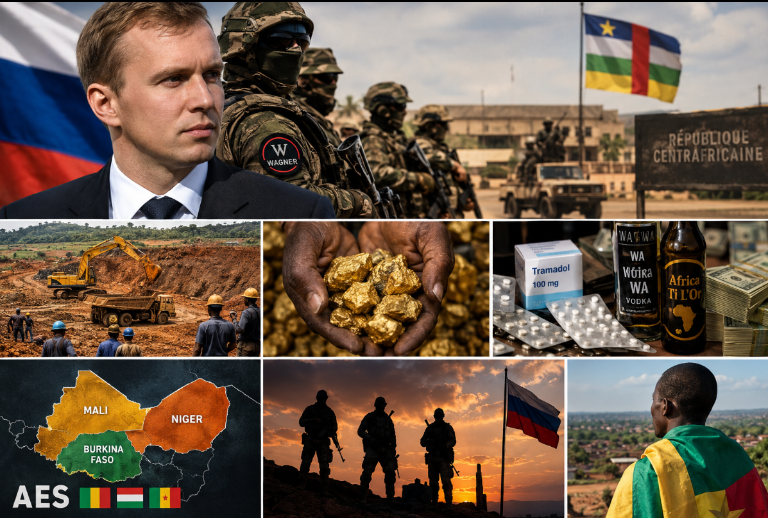
Traoré’s rhetoric reflects a broader shift in the Sahel region, where military juntas in Burkina Faso, Mali, and Niger have severed ties with Western partners in their fight against Islamist insurgencies. These countries now turn to Russia for military support, despite ongoing violence that shows no signs of abating. Traoré has taken a particularly hardline stance, suppressing dissent by targeting opposition figures, media outlets, and civil society groups. Critics have accused his government of punishing opponents by sending them to the front lines of the conflict.
Despite international condemnation, Traoré has cultivated significant support across Africa for his anti-Western rhetoric and panafricanist vision. In a sweeping interview, he dismissed political parties as divisive and corrupt, stating: « The truth is that in Africa—or at least in Burkina Faso—a real politician embodies every vice: a liar, a flatterer, a charlatan. »
He outlined his alternative vision—a system built on sovereignty, patriotism, and revolutionary mobilization, with traditional leaders and grassroots structures playing pivotal roles. Traoré emphasized economic and military self-reliance, arguing that shorter workdays would never allow Burkina Faso to close the gap with wealthier nations.
The Burkina Faso Human Rights Watch report released Thursday tallied over 1,800 civilian deaths since Traoré’s 2023 takeover, attributing two-thirds of these killings to government forces and allied militias, with the remainder linked to Islamist militants. The report underscores the escalating humanitarian crisis amid the junta’s uncompromising rule.
As Traoré’s government continues to consolidate power, the future of Burkina Faso remains uncertain. The leader’s rejection of democracy signals a dramatic departure from the nation’s recent political trajectory, raising concerns about the country’s long-term stability and human rights trajectory.