Ouagadougou, Burkina Faso — The head of Burkina Faso’s military government has declared that the nation must abandon democratic governance, framing the system as fundamentally incompatible with the country’s needs.
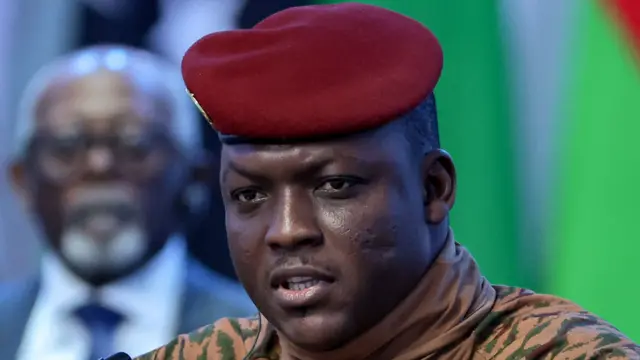
New direction for Burkina Faso
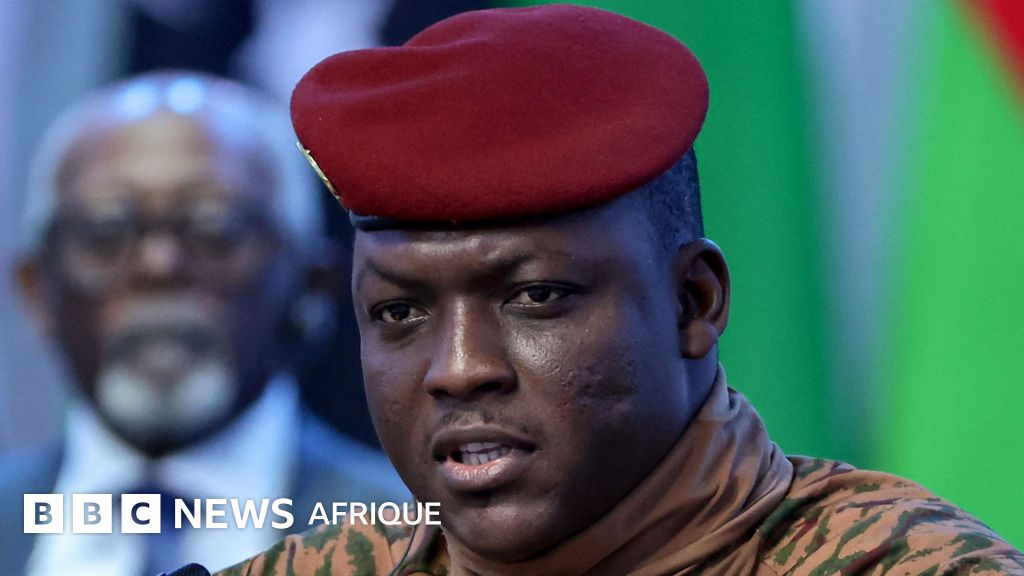
Captain Ibrahim Traoré, who seized power in a 2023 coup, made his remarks during a nationally televised interview, stating plainly that citizens should abandon expectations of democratic rule. « The people must forget about democracy. Democracy is not for us, » he declared, while outlining his government’s vision for a radically different political order.
Traoré’s comments come as Burkina Faso marks three years under military leadership. Initially promising a return to civilian governance by mid-2024, the transitional government recently extended its mandate by five years, citing the need for stability in the face of escalating security threats.
Political parties dissolved in restructuring push
In a sweeping move aimed at reshaping the national political landscape, Burkina Faso’s authorities banned all political parties in January, transferring their assets to the state. The government framed the decision as necessary to dismantle divisive structures that, in Traoré’s words, « embody corruption, deceit, and empty rhetoric. »
Criticism of Western democracy
The 38-year-old leader, who presents himself as a revolutionary figure resisting foreign interference, drew parallels with Libya, suggesting its post-Gaddafi collapse as a cautionary tale. « Look at Libya. It’s a nearby example of what happens when Western nations impose democracy, » he warned, referencing the country’s descent into prolonged instability following NATO-backed intervention in 2011.
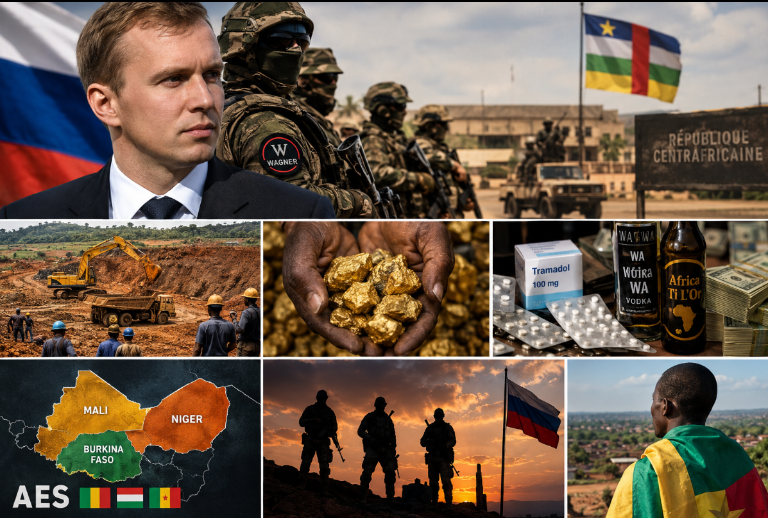
Traoré’s government has positioned itself against Western influence, echoing a regional trend among neighboring juntas in Mali and Niger. All three nations have distanced themselves from former colonial power France and other European allies in their fight against Islamist insurgencies that have plagued the Sahel for over a decade.
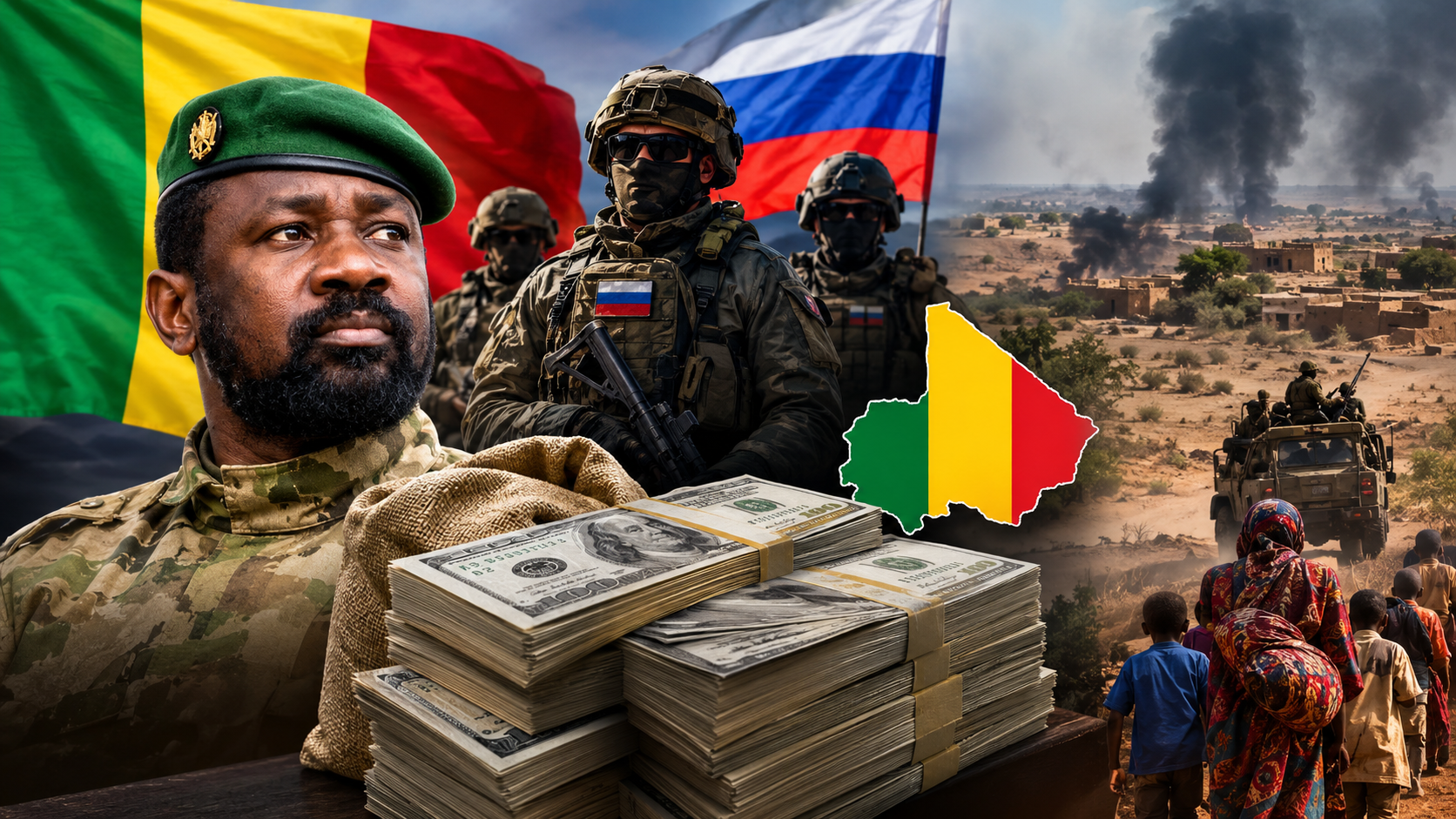
Instead, Burkina Faso has turned to Russia for military support, though violence continues unabated. Human rights monitors report over 1,800 civilian deaths in Burkina Faso since Traoré’s ascent, with the majority attributed to state-aligned forces and allied militias. Islamist militants are responsible for the remainder.
Vision for a new system
Despite the absence of a clear alternative model, Traoré insists Burkina Faso will forge its own path. « We don’t need to copy anyone. We’re here to completely change how things are done, » he emphasized, stressing self-reliance, patriotism, and grassroots mobilization. Traditional leaders and local structures are expected to play a central role in this proposed system.
Economic and military sovereignty also rank high in the junta’s priorities. Traoré has repeatedly called for longer work hours and greater dedication, arguing that Burkina Faso cannot progress with conventional six- to eight-hour workdays.
Meanwhile, dissent has been met with repression. Opposition figures, independent media, and civil society groups have faced restrictions, with critics alleging that government opponents are increasingly sent to frontline combat zones against Islamist fighters.
Despite these controversies, Traoré’s anti-Western stance and panafricanist rhetoric have garnered significant support across the continent, positioning him as a prominent voice in the broader debate over Africa’s political future.
The leader’s remarks come amid ongoing violence that has displaced millions and left large swaths of Burkina Faso outside government control. With no clear resolution in sight, the nation remains at a crossroads between military rule and a return to civilian governance—though Traoré’s latest statements suggest the former is the only path he considers viable.