
Mali’s stability hangs in the balance under Goïta’s leadership
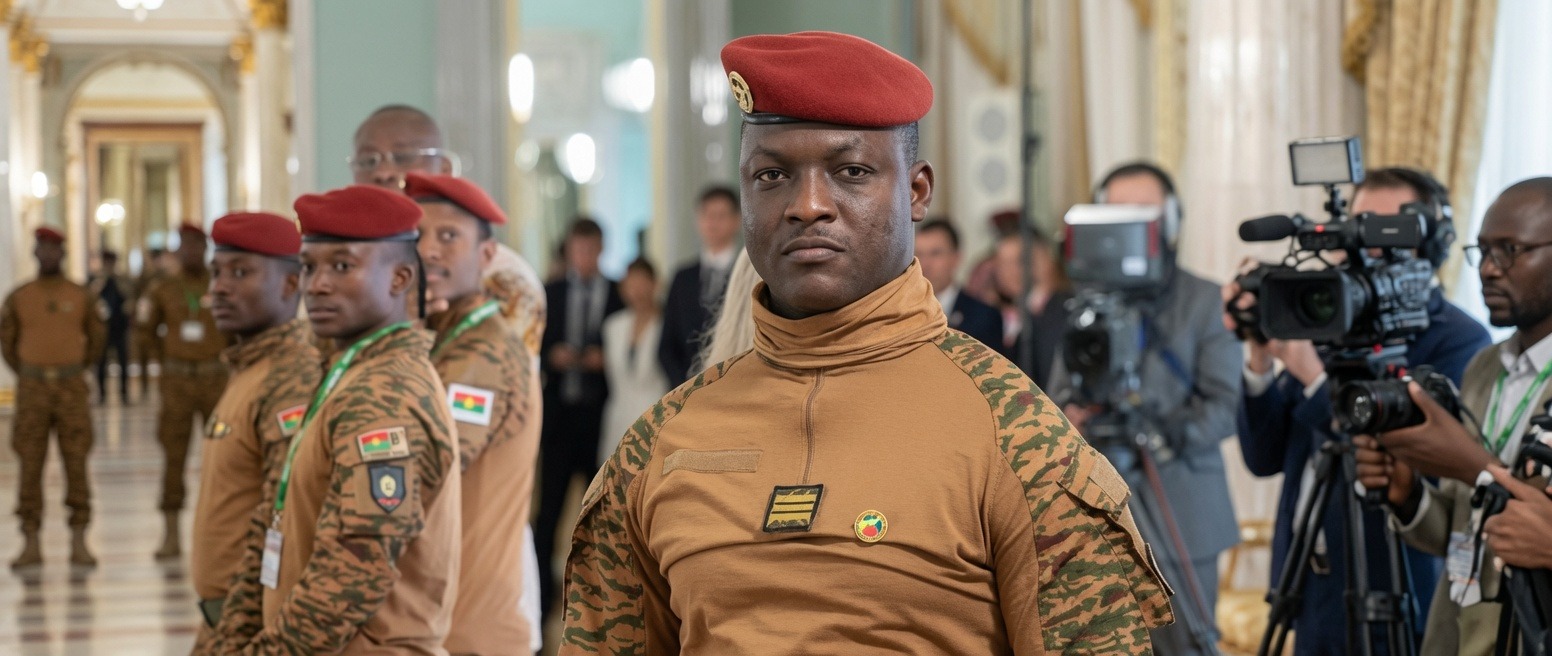
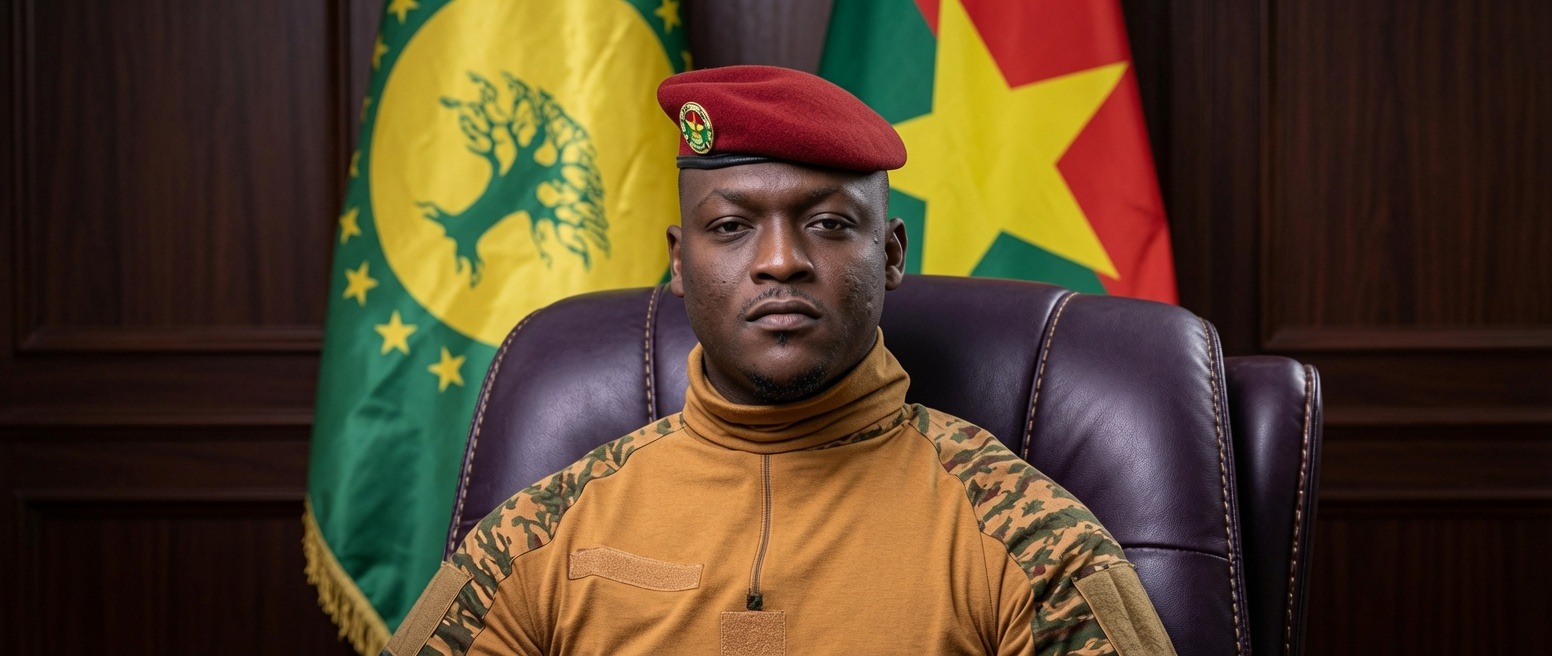
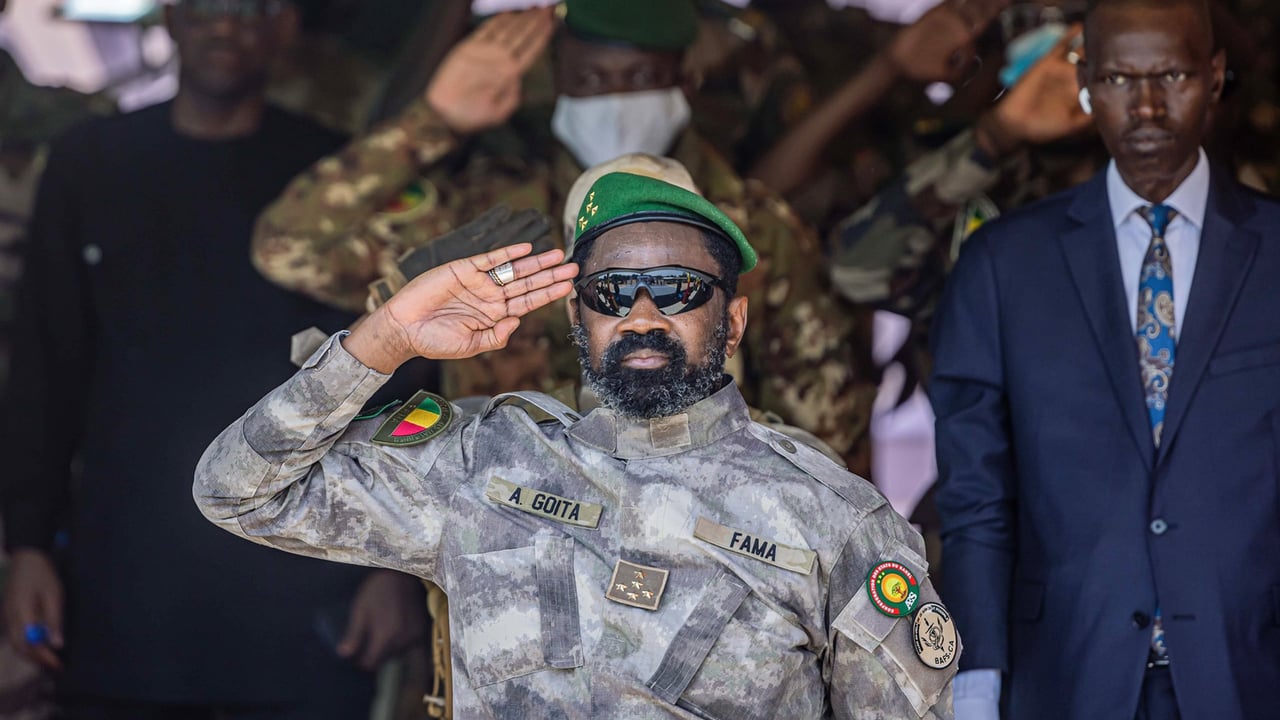
In the heart of Bamako, Mali’s capital, Assimi Goïta stands as the de facto leader of a nation grappling with deepening instability. His presence looms large over a country where political transitions have become increasingly volatile, and where the spectre of insecurity continues to haunt daily life. As the head of state, Goïta faces the daunting task of steering Mali through one of its most turbulent periods in recent memory.
Recent events have underscored the fragility of Mali’s political landscape. The passing of Sadio Camara, the Defence Minister, in late April 2026, served as a stark reminder of the challenges that lie ahead. Camara’s funeral procession became a focal point for national reflection, drawing attention not only to the personal loss but also to the broader issues plaguing the country.
From transitional leader to enduring figure
Assimi Goïta first rose to prominence in 2020, when he played a pivotal role in the military’s ousting of then-President Ibrahim Boubacar Keïta. His leadership during the transitional government that followed marked the beginning of a new chapter in Mali’s political narrative. However, the path to stability has been far from smooth. Successive coups and counter-coups have left the nation in a state of perpetual uncertainty, with Goïta at the centre of these dramatic shifts.
The Group for the Support of Islam and Muslims (JNIM) remains a formidable threat, casting a long shadow over Mali’s security apparatus. The group’s resilience has intensified pressure on Goïta’s administration, which is struggling to balance military responses with the need for national reconciliation. The loss of key figures like Camara only amplifies the sense of vulnerability within the state’s ranks.
Navigating a fractured nation
Goïta’s leadership style has been characterised by a blend of pragmatism and assertiveness. While some view him as a stabilizing force in turbulent times, others criticise his methods as heavy-handed. The transition from military rule to civilian governance has been fraught with setbacks, and Mali’s international partners have grown increasingly cautious in their engagement.
The absence of Bah N’Daw, Mali’s former civilian president, from the political scene has further complicated the dynamics. N’Daw’s role in the initial transition period left a lasting imprint, and his departure has left a void that Goïta has struggled to fill. The interplay between military authority and civilian oversight remains a contentious issue, with no clear resolution in sight.
As Mali teeters on the edge of further instability, the question of Goïta’s ability to unite a divided nation grows more pressing. The challenges ahead are monumental, from restoring security to reviving the economy and re-establishing trust in governance. For now, Goïta remains the focal point of Mali’s political future, but the road to recovery is littered with obstacles.