Ousmane Sonko’s institutional defiance: where will Senegal’s politics lead?
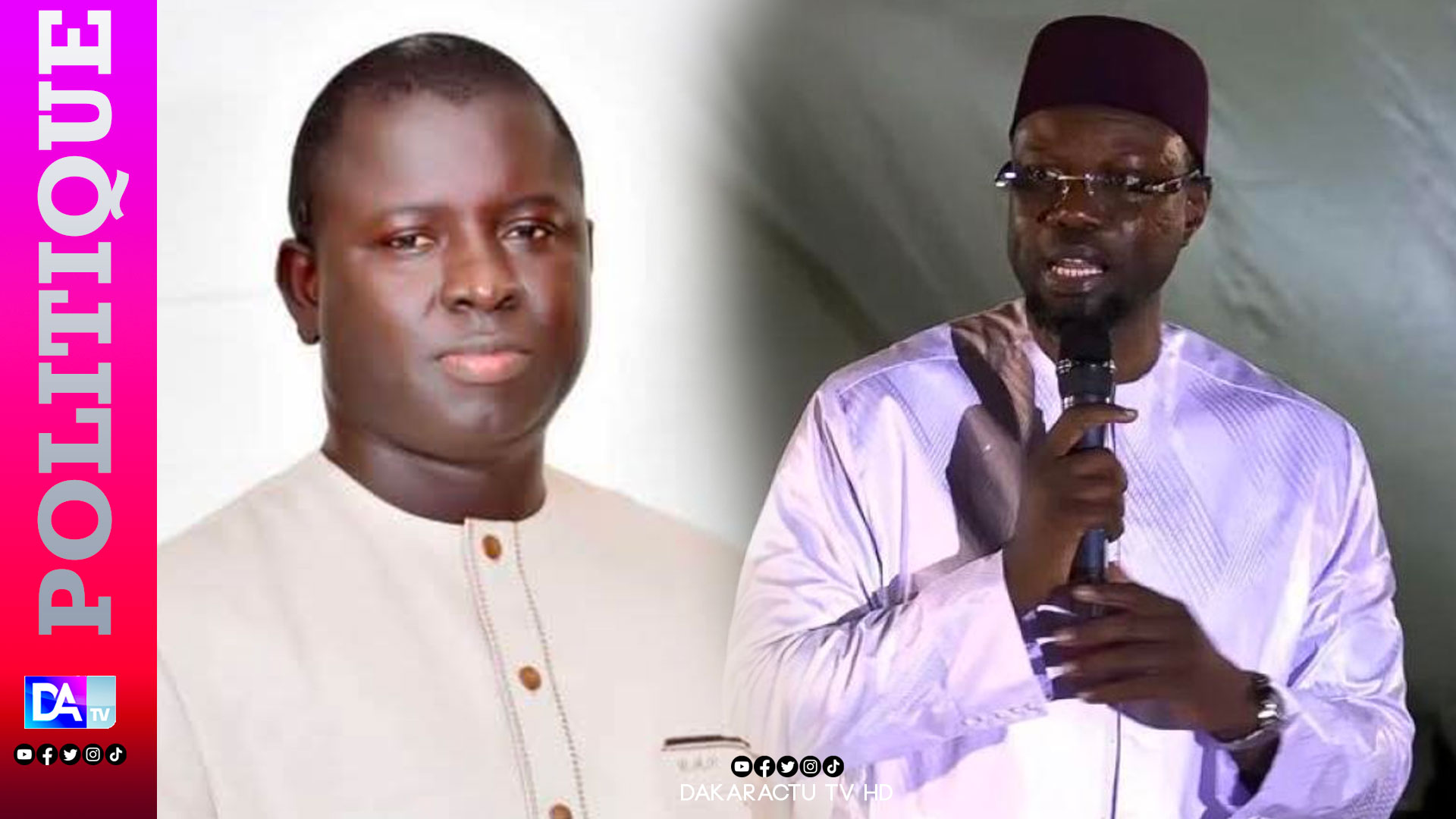
The political landscape of the Senegal is witnessing what many now describe as a systemic shift—a departure from conventional governance toward an era where perpetual confrontation overshadows the foundational principles of the Republic.
Once a vocal opposition figure, briefly holding office, and now entrenched in a radicalized stance, the leader of the Pastef party has transitioned from a populist resistance strategy to an unprecedented institutional defiance. The question echoing among analysts and citizens alike remains: Where does Ousmane Sonko intend to draw the line?
Recall the rallying cry of « gatsa-gatsa » (« short tail must pay for its short tail »), originally coined to justify aggressive pushback against the former regime. This slogan, meant to symbolize direct retaliation, has evolved into a tool of excessive manipulation, straining the fabric of national unity. What began as a resistance tactic now threatens to destabilize the very institutions designed to uphold democracy.
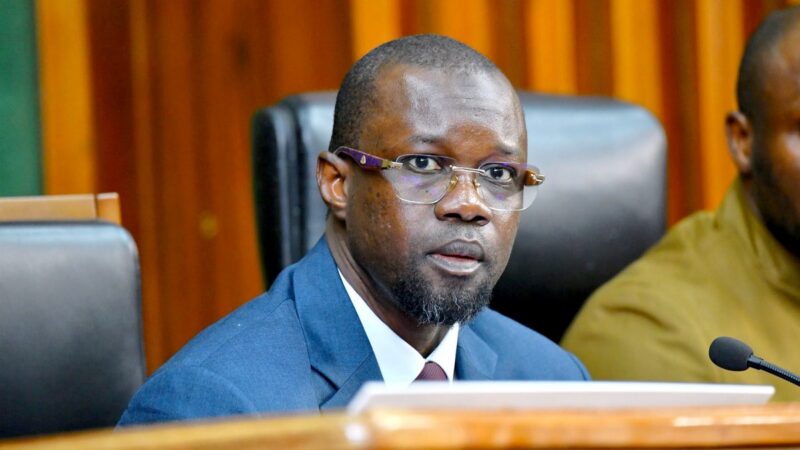
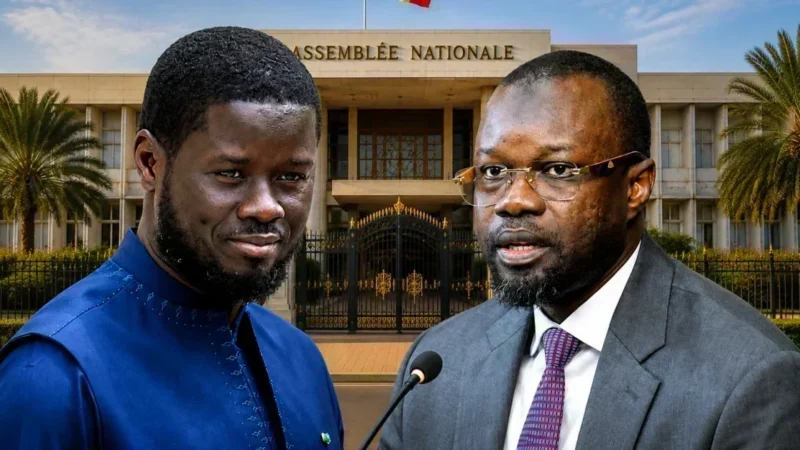
Following a political maneuver widely debated in Senegal, Sonko secured the presidency of the National Assembly. His subsequent push for constitutional reform, however, met a decisive legal roadblock when the Constitutional Council rejected the proposal. Far from prompting reflection or compromise, this setback appears to have fueled a deeper resolve—one that prioritizes obstruction over constructive engagement.
Enter the era of « maa tay » (« I don’t care ») institutionalism. By openly vowing to paralyze government operations and disregarding judicial rulings and constitutional norms, this approach raises serious concerns. It is no longer about political rivalry; it is an assault on the core pillars of the State:
- Deliberate paralysis: Blocking governance mechanisms at all costs, even if it cripples the nation’s progress.
- Judicial defiance: Dismissing court decisions and constitutional verdicts as mere inconveniences.
- Institutional hostage-taking: Leveraging frustration over failed ambitions to undermine the very system that upholds democracy.
What lies ahead? The resilience of Senegal’s democracy has long relied on the strength of its institutions during crises. Replacing dialogue with defiance and procedures with contempt sets a dangerous precedent. Leaders may come and go, but institutions endure. Weakening them to mask personal frustrations or hidden agendas does not merely destabilize politics—it jeopardizes the future of the nation.
While opposition and checks on power are constitutional rights, systemic obstruction under the guise of republican defiance is a dead end. The integrity of the State must not be sacrificed on the altar of political score-settling.