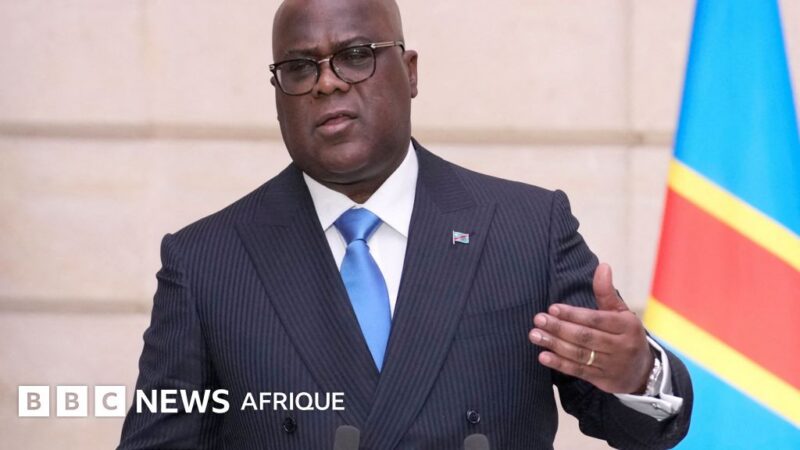
African Union reaffirms commitment to Mali amid security challenges
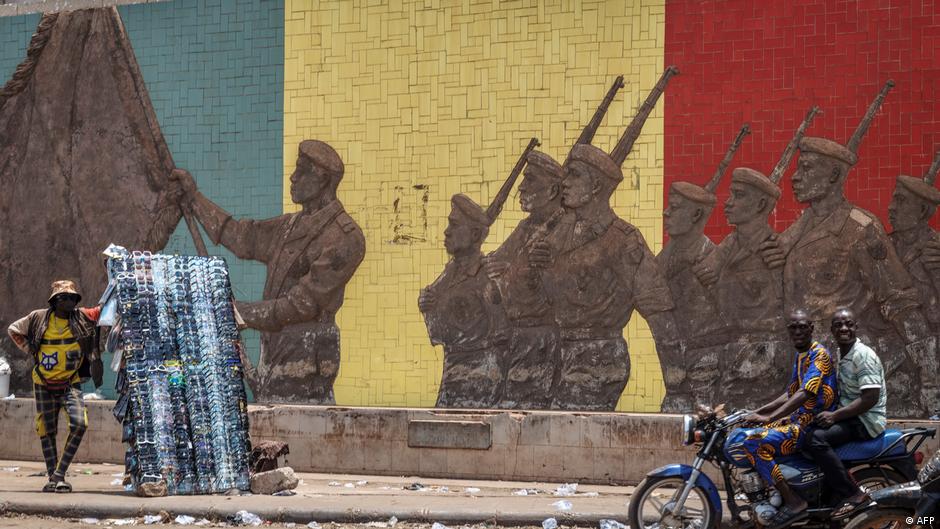
African Union stands by Mali in face of security threats
The President of the African Union Commission arrived in Bamako on Sunday, July 12, for an official visit aimed at reinforcing dialogue and cooperation between the continental organization and Mali. During this mission, Mahmoud Ali Youssouf stressed the African Union’s steadfast support for Malian authorities as they confront pressing security challenges. This backing comes despite Mali’s suspension from AU bodies since the 2021 coup d’état, which was implemented to pressure military leaders toward restoring constitutional order. However, the AU has chosen not to isolate Mali, recognizing the country’s stability as vital to continental security.
The organization continues diplomatic engagement through its Special Representative for Mali and the Sahel and the African Union Mission for Mali and the Sahel (MISAHEL).
From words to action
Mahmoud Ali Youssouf’s visit demonstrates the African Union’s “full solidarity” with Bamako against the armed attacks ravaging the country. However, independent expert and Africa Jom Center founder Alioune Tine argues that the AU must move beyond political declarations to take concrete steps.
“The President of the African Union Commission needs to demonstrate solidarity in a far more active and tangible way,” Tine emphasizes. “This could involve rallying nations with the capacity to provide assistance and mobilizing African Union troops to support Mali in its fight against terrorism. That’s precisely what’s most needed right now.”
Constraints on African Union action
Despite Malian authorities’ questioning of the 2015 Algiers Agreement, the African Union continues prioritizing dialogue and political solutions to address the crisis. With northern separatists now aligned with the Group for the Support of Islam and Muslims (JNIM), some observers anticipate a shift in the AU’s stance following this visit. The organization views the JNIM-FLA coalition (Touareg independence fighters) as a particularly troubling development in the Malian conflict, rejecting both their offensive legitimacy and their demands.
The AU maintains its commitment to Mali’s territorial integrity while urging enhanced regional efforts against terrorism. However, Aly Tounkara from the Center for Security and Strategic Studies in the Sahel highlights the organization’s structural and political limitations.
“It would be challenging to expect the African Union to provide military support or even intelligence assistance when member states themselves struggle to align on fundamental issues, let alone agree on a unified approach toward countries like Mali,” Tounkara explains.
He adds, “There are significant interference issues to address. The African Union’s heavy dependence on extra-Sahelian donors presents one of the major obstacles the organization must overcome to enhance the relevance and effectiveness of its potential actions.”
Balancing diplomatic support, calls for Mali’s territorial unity, and internal political constraints, the African Union continues to voice its position. The key question remains: Will this visit represent merely a symbolic gesture of solidarity, or will it mark the beginning of a more substantial commitment alongside Bamako and other AES countries?