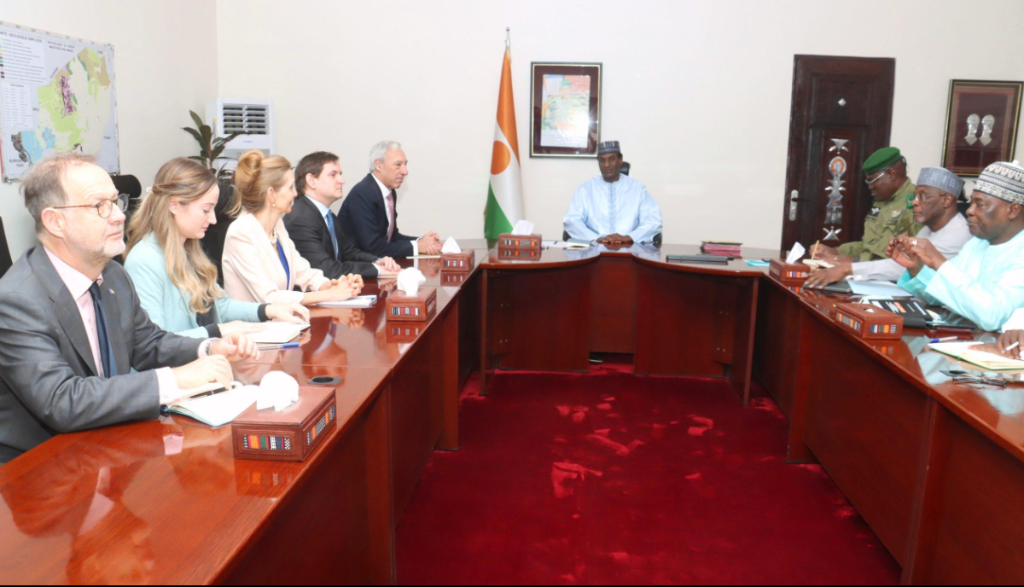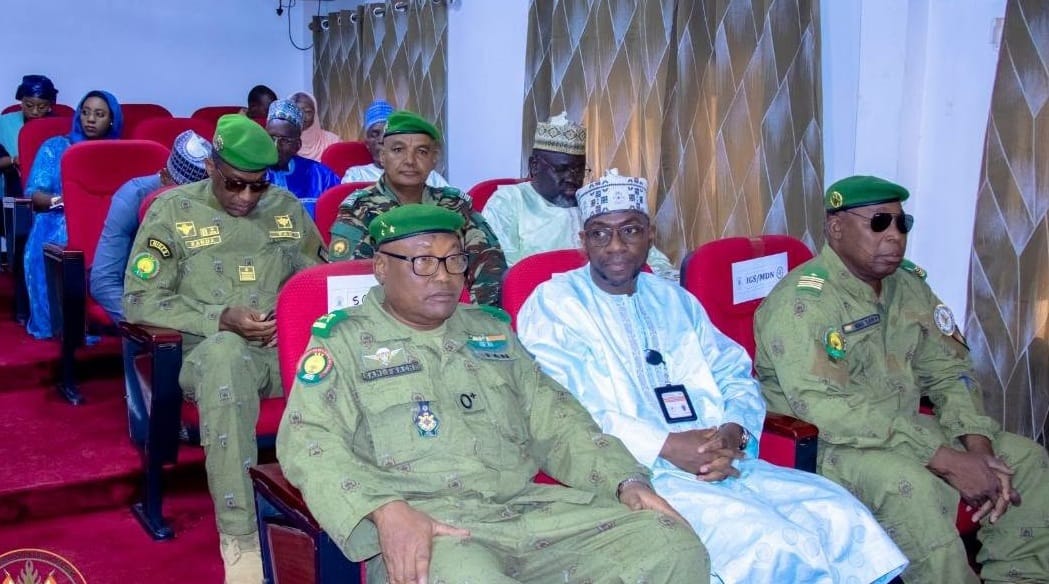
The Republic of Niger has inaugurated its inaugural training program for defense attachés and military officers, marking a significant milestone in the nation’s military diplomacy and institutional capacity building.
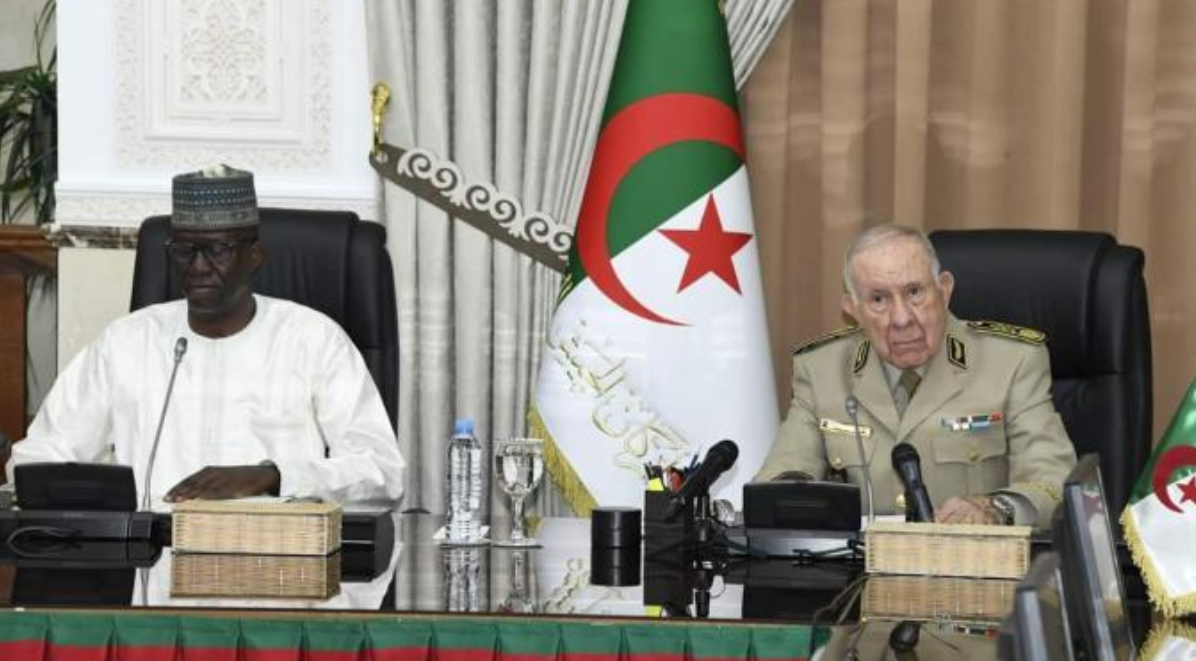
Speaking at the opening ceremony held at the War School in Niamey, the Minister of State for National Defense, General Salifou Mody, emphasized the strategic importance of this initiative. Developed in coordination with the Ministry of Foreign Affairs, the program represents a departure from decades of informal preparation, introducing a formal institutional framework for these critical roles.
Why this training matters for Niger
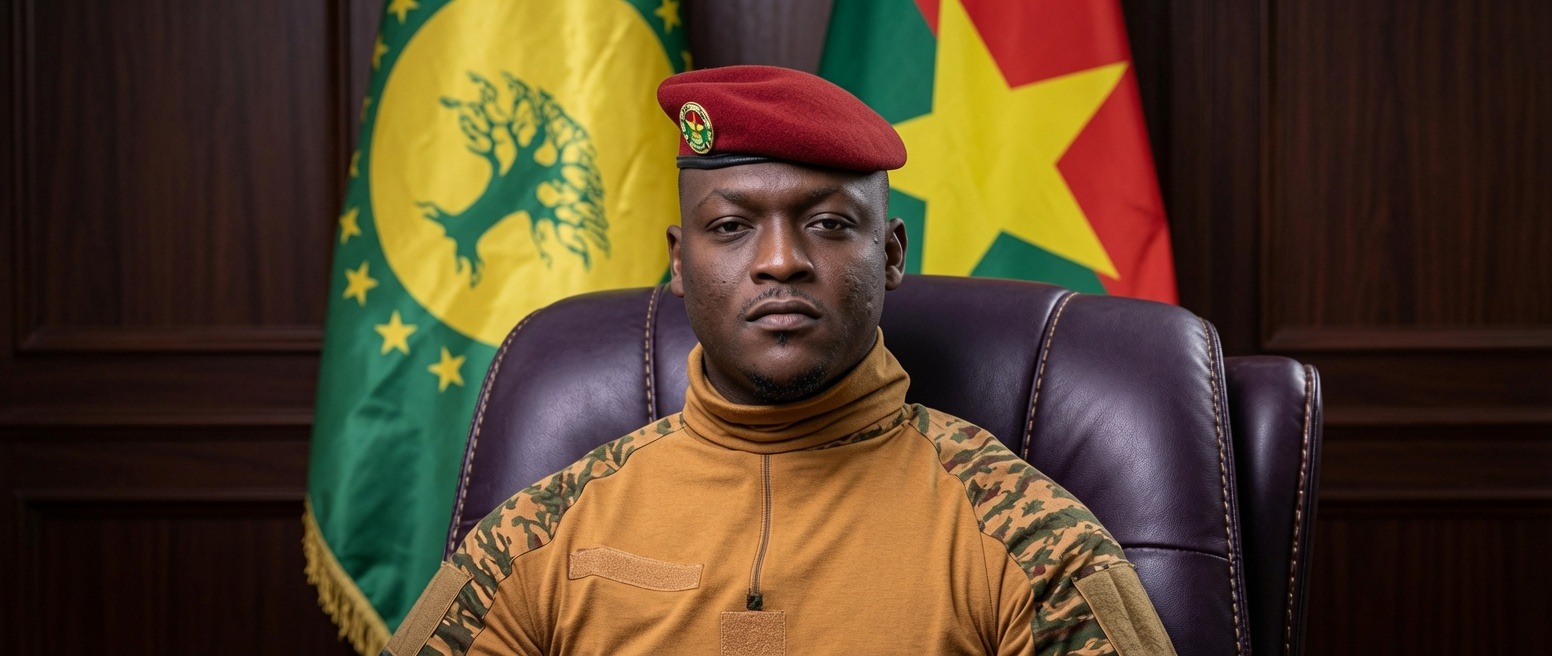
The initiative directly addresses what the defense leadership identified as a critical gap: the absence of structured preparation for defense attachés, who serve as key bridges between military and diplomatic spheres. General Mody highlighted the program’s alignment with the vision of President Abdourahamane Tiani, who has consistently emphasized balanced military partnerships rooted in national sovereignty.
Beyond military skills: A holistic preparation
The curriculum goes beyond traditional military training. Participants are being equipped not just with defense expertise but with diplomatic acumen, geopolitical awareness, and cultural understanding. As General Mody noted, “These officers must embody national interests while fostering international trust through strategic partnerships and crisis management capabilities.”
The training comes at a crucial juncture when Niger faces evolving security challenges and shifting global power dynamics. Defense attachés, as the Minister emphasized, serve multiple functions: as conduits for defense policy, facilitators of military cooperation, strategic analysts, and even cultural ambassadors. Their role is becoming increasingly vital in an era where military diplomacy extends beyond traditional defense matters into economic and cultural spheres.
Preparing for global engagement
General Mody set clear expectations for participants, urging them to develop competencies in legal frameworks, relationship-building with counterparts, and strategic analysis. He stressed that their conduct would shape Niger’s international image, stating, “You are not preparing for ordinary roles. Your actions will influence how the world perceives our nation.”
This inaugural session establishes a foundation for future editions, signaling Niger’s commitment to professionalizing its military diplomacy. The program’s success could set a new standard for regional defense cooperation in West Africa.