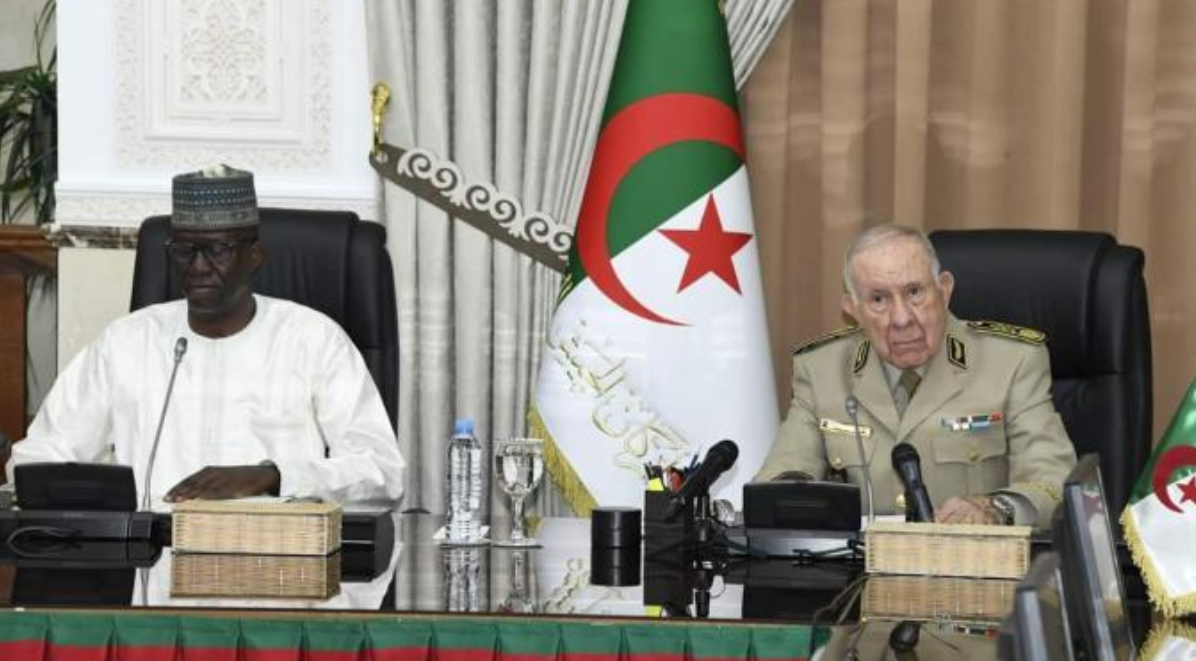
After fifteen grueling months of diplomatic deadlock, Mali and Algeria have formally restored their strained relations. This landmark thaw, sealed by the reinstatement of ambassadors and the resumption of air travel, is reshaping the geopolitical landscape of the Sahel. At the heart of this new equation lies the future of influential religious leader Imam Mahmoud Dicko, who has been living in exile in Algeria since the crisis began. His destiny now hangs in the balance between the pressing need for dialogue and the nation’s aspirations for democratic renewal.
From rupture to reconciliation: tracing the roots of the crisis
The path to normalization began with an understanding of the underlying causes that drove a once-close partnership into deep freeze. Tensions escalated sharply by late 2023, when Bamako accused Algiers of overstepping by hosting meetings with Tuareg rebel factions from northern Mali without the consent of Mali’s transitional authorities. The final blow came when Mali unilaterally abandoned the 2015 Algiers Peace Agreement, a move seen in Algiers as a direct challenge to its regional mediation efforts. In response, both countries withdrew their ambassadors and suspended air links, plunging the Sahelo-Saharan belt into a precarious security vacuum for more than a year.
Behind the scenes: how Mali and Algeria restored trust
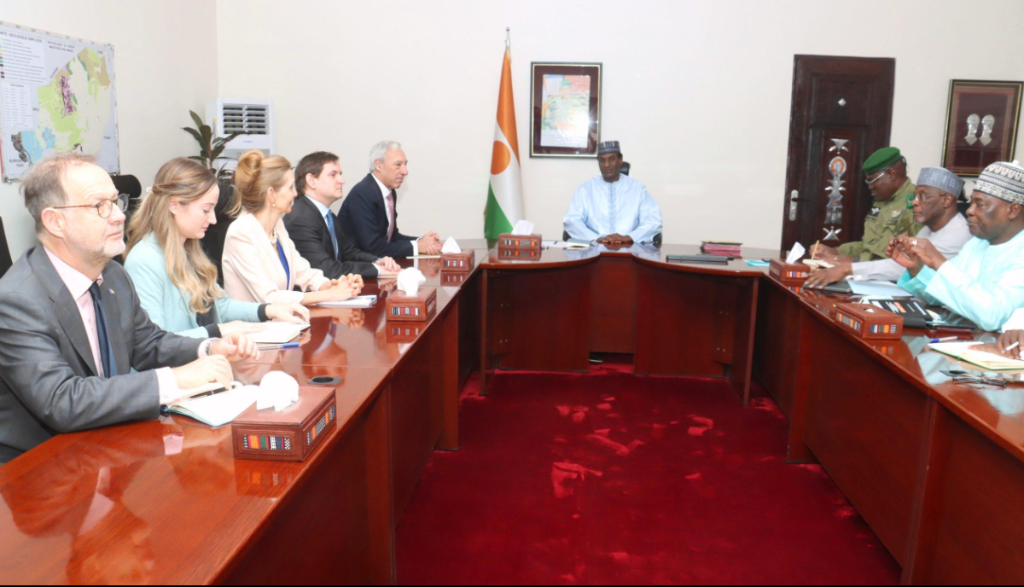
Recognizing that prolonged confrontation served neither nation’s interests, discreet diplomatic efforts were launched to rebuild trust. These behind-the-scenes negotiations yielded tangible steps toward reconciliation:
- Ambassadors return home: Diplomatic missions were restored in Bamako and Algiers, reopening the official channels needed to manage shared security and border challenges.
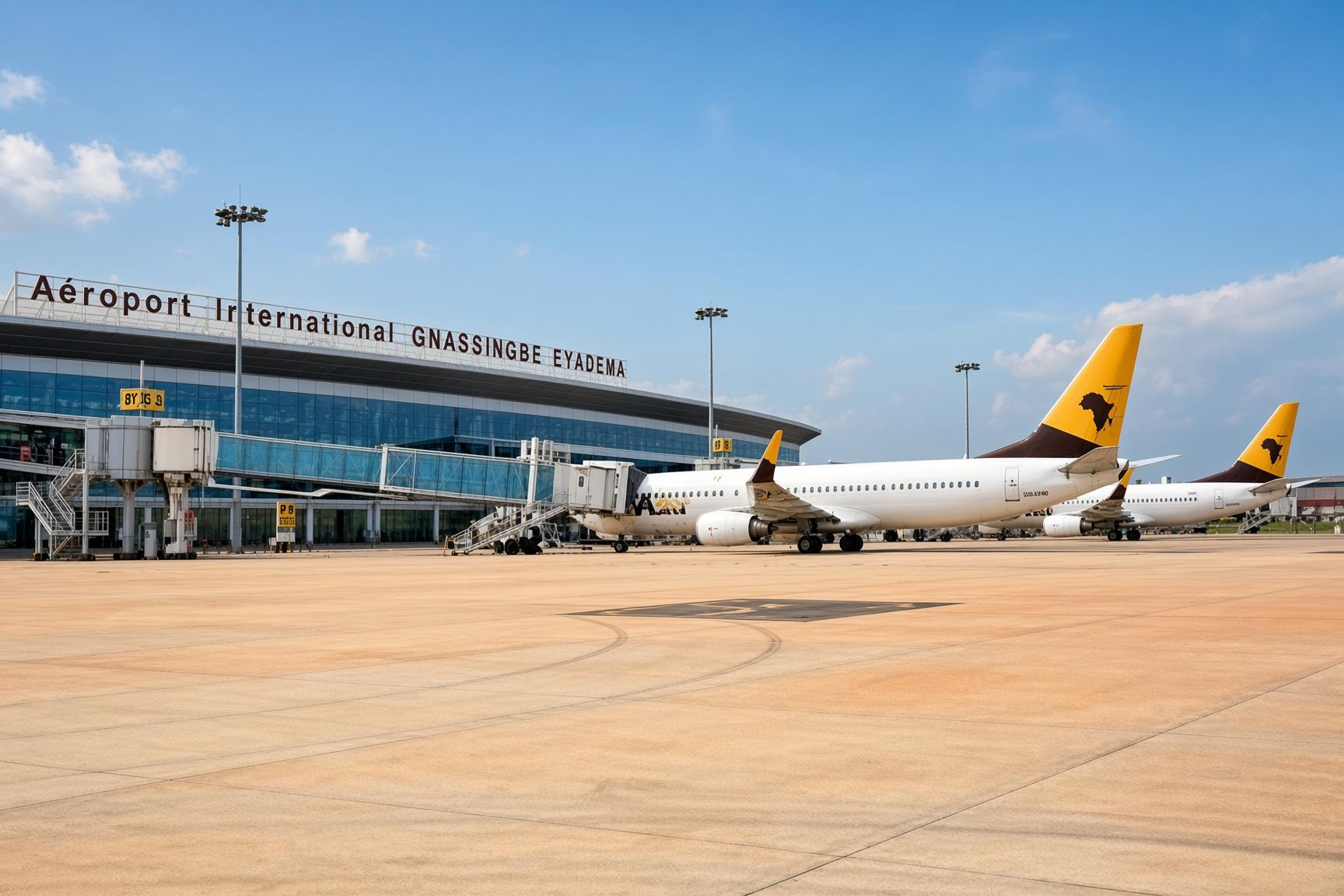
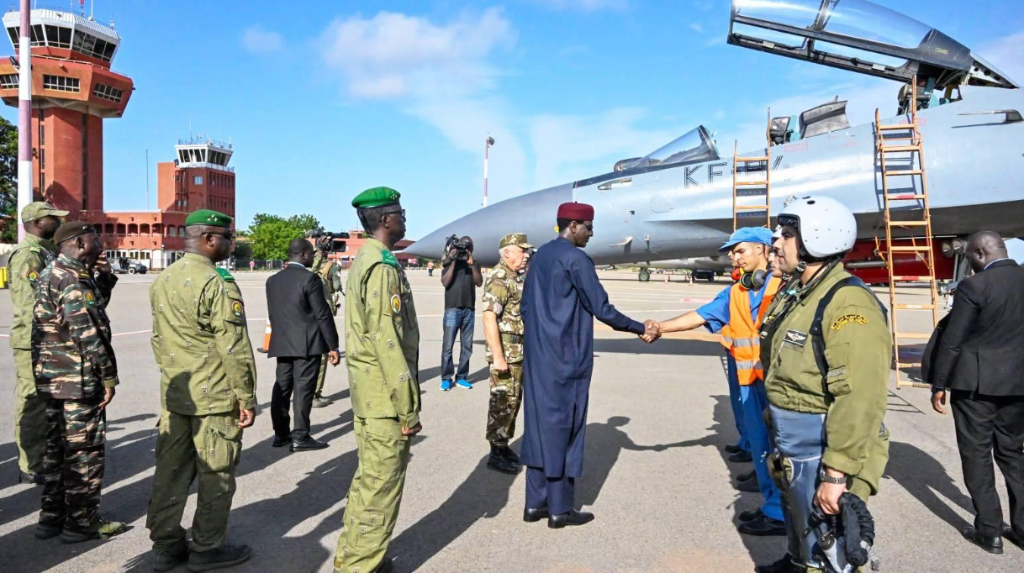
- Skies reopen: Commercial and military flights resumed, signaling a renewal of economic and logistical ties between the two Sahelian powers.
- Security cooperation revives: With terrorism still a persistent threat, intelligence-sharing and joint border patrols have resumed to safeguard the 1,300-kilometer frontier.
This thaw underscores the maturity of regional diplomacy, proving that national pride can be set aside in favor of collective stability.
Imam Mahmoud Dicko: a voice for peace and democratic transition
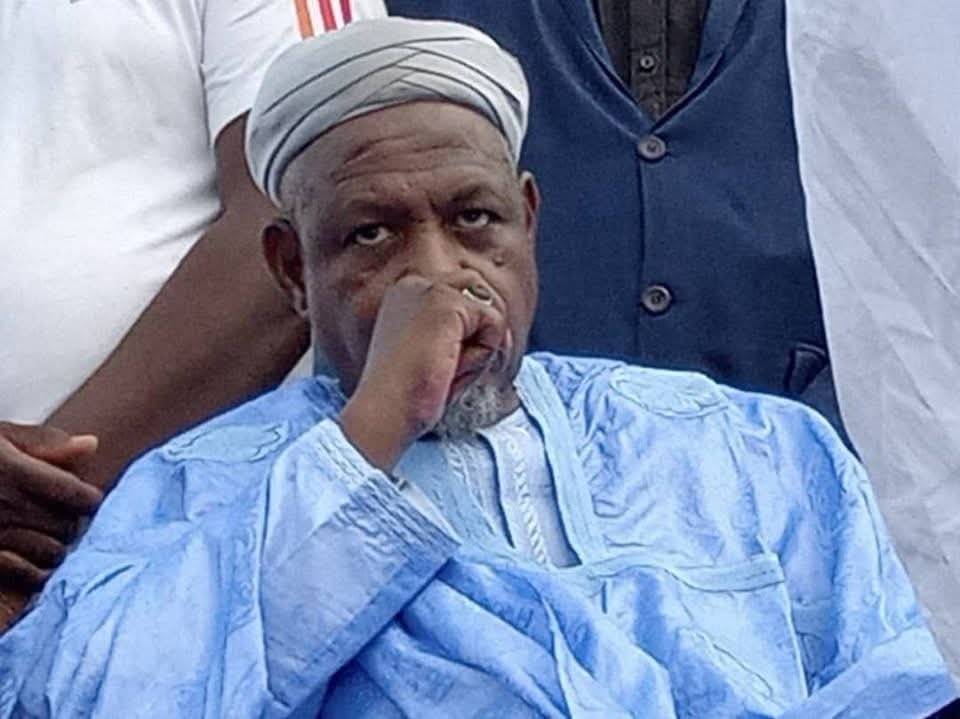
As Mali seeks both internal reconciliation and a return to constitutional order, the role of Imam Mahmoud Dicko—currently in exile—has taken on renewed significance. Far from being a mere dissident, Dicko is widely viewed as a stabilizing force capable of bridging deep societal divides. His leadership was pivotal during the 2020 protests that led to the fall of former president Ibrahim Boubacar Keïta, and he has consistently advocated for an inclusive national dialogue and a peaceful return to civilian rule.
With Mali still searching for its footing in a fragile transition, Dicko’s moral authority and ability to mobilize public opinion could prove crucial in legitimizing future steps toward democracy. His willingness to engage all segments of Malian society makes him a potential architect of national healing.
A pivotal moment: what lies ahead for the imam?
The restored relations between Bamako and Algiers now raise pressing questions about the future of Imam Dicko. While Algeria may seek to limit his political activities on its soil to avoid reigniting tensions with Mali, this moment also presents an unprecedented opportunity for mediation. As a key regional player, Algeria could facilitate a direct and constructive dialogue between Dicko and Malian transitional authorities. A safe, structured return for the imam—positioned as a peacemaker—would send a powerful signal of national reconciliation and renewal.
Diplomacy as a catalyst for democracy
The historic thaw between Mali and Algeria marks a turning point for Sahel stability. By closing the chapter of fifteen months of confrontation, both nations have reaffirmed that collaboration—not division—is the only path forward in the face of shared threats.
In this evolving landscape, Imam Mahmoud Dicko’s future is not a hurdle but an asset. By harnessing his influence and unwavering commitment to civilian rule, Bamako and Algiers have the chance to transform this diplomatic breakthrough into a catalyst for peace, unity, and democratic renewal in Mali.