Centrafrique under the shadow of Wagner’s reign of terror
The Republic of Centrafrique continues to grapple with unspeakable horrors as fresh evidence of Wagner Group’s atrocities emerges. In the latest episode of brutality, local residents have been horrified by videos circulating online this month, depicting the merciless execution and decapitation of men by Wagner operatives. The gruesome act, carried out in broad daylight, saw decapitated heads meticulously arranged on the ground, transforming a supposed disarmament operation into a macabre spectacle reminiscent of the worst crimes committed by jihadist factions.
Unfathomable cruelty in the name of order
On July 8, the Wagner militia, supported by African auxiliaries nicknamed the “Black Russians” by locals, ambushed men who had arrived under the impression they were participating in a government-backed disarmament initiative. What followed was an orchestrated massacre, with victims first shot and then decapitated. The perpetrators, emboldened by their official mandate, filmed their heinous acts while boasting of their actions. One Wagner commander was heard shouting, “You don’t want peace? Now you’ll have it. Slaughter every last one of them!” This chilling display of violence underscores the group’s unchecked power and the impunity they enjoy under the current regime.
The descent into lawlessness
Centrafrique has long been labeled a failed state, a description that rings truer than ever amid the chaos perpetuated by Wagner’s presence. Since the 1990s, the country has been trapped in a cycle of instability, marked by coups, mutinies, and the proliferation of armed groups that the national army and international partners have failed to contain. The United Nations Multidimensional Integrated Stabilization Mission in Centrafrique (MINUSCA) has struggled to restore order, while Wagner’s influence has only exacerbated the violence, turning the nation into a hotspot of endemic brutality. Regional and global observers have grown desensitized to the horrors unfolding in Centrafrique, where once-unthinkable acts have become the grim norm for its citizens.
A parallel regime of terror
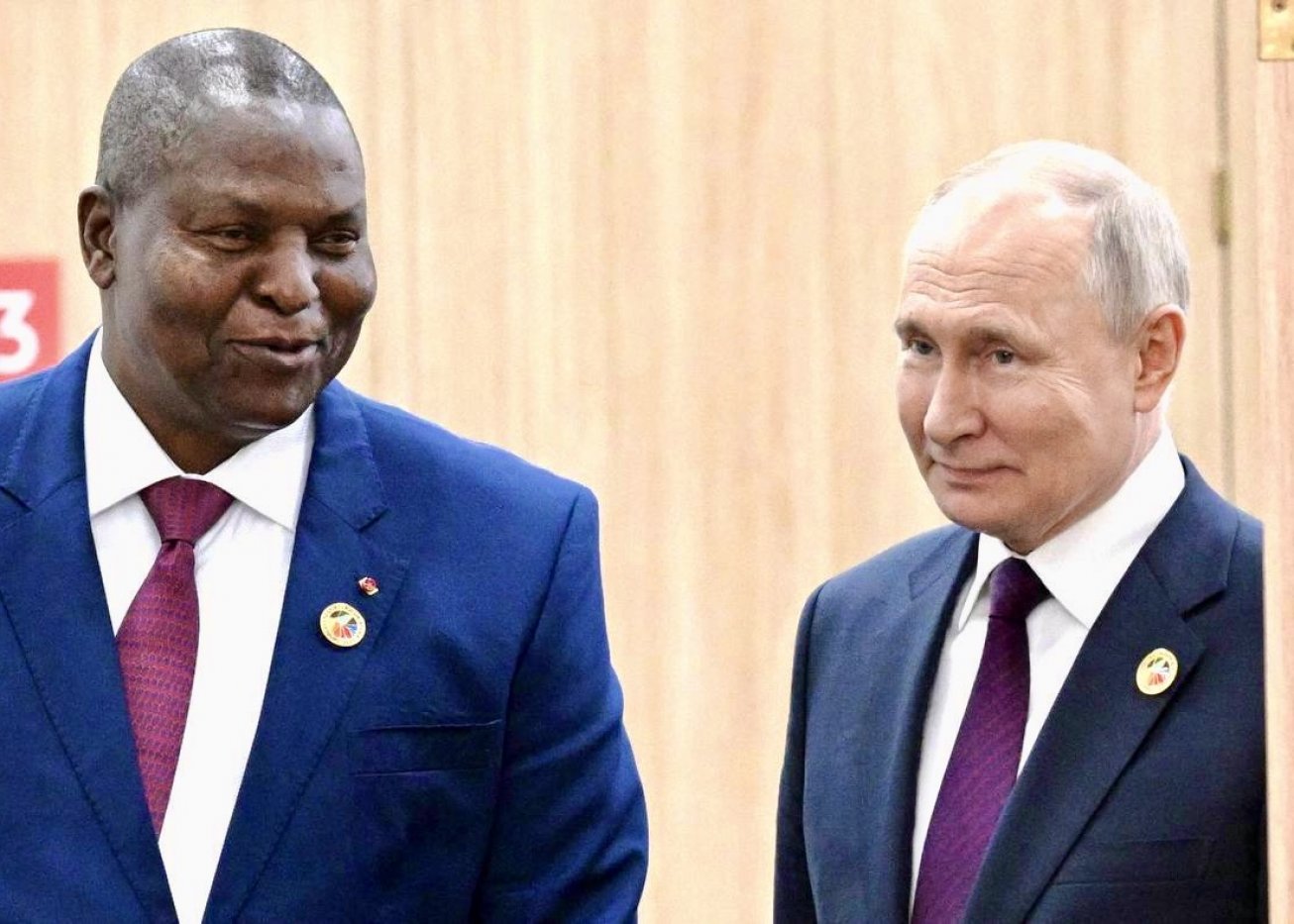
Wagner’s operatives have embedded themselves deeply within Centrafrique’s institutions, operating as a shadow government with unchecked authority. Their reach extends across the military, police, judiciary, intelligence services, and even airport operations in Bangui. This pervasive control has led to widespread disappearances, torture, harassment, and extrajudicial killings, all carried out with impunity. The group’s influence is so entrenched that it often overshadows the authority of the central government, which itself clings to power through questionable means. Four years ago, during a closed-door meeting, President Faustin-Archange Touadéra reportedly dismissed concerns about Wagner’s actions, stating, “We need the Russians. They’re the ones keeping us in power.” The president’s words laid bare the grim reality: maintaining power has taken precedence over the safety and dignity of the Centrafrique people.
The Wagner Group, steadfast in its loyalty to the legacy of its late founder Evgueni Prigojine, has not adopted the “Africa Corps” moniker seen elsewhere. Instead, they retain their original branding, a symbol of defiance even in death. In Centrafrique, Wagner’s operatives have gone so far as to erect a statue in Prigojine’s honor, commemorating his birth anniversary with ceremonies involving both Wagner troops and local soldiers. This grotesque tribute highlights the emergence of a new, colonial-style order in Centrafrique, where terror has become the primary means of governance.
Despite the mounting outrage, both political opposition and civil society have repeatedly demanded the withdrawal of Wagner’s forces. Yet, the authorities remain silent, their inaction a testament to the paralyzing fear gripping the nation. For the people of Centrafrique, the choice is clear: survival in a land where the specter of Wagner’s brutality looms larger than the hope for peace.