Kiev denies allegations of backing Congo rebels linked to Moscow
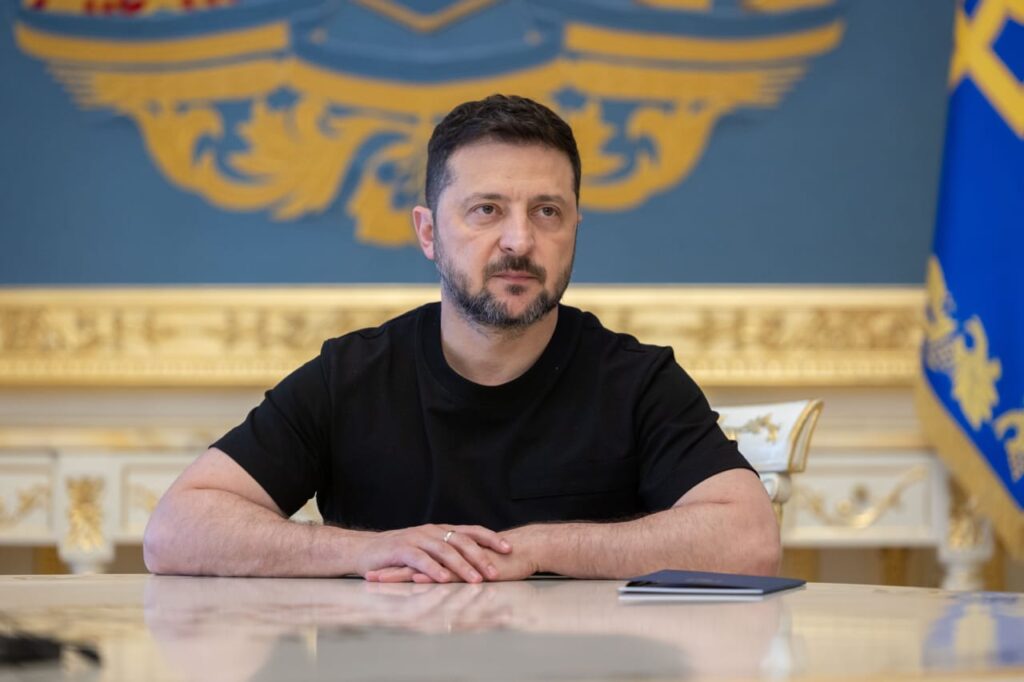
Accusations emerged from Bujumbura when Russia’s top diplomat, Sergey Lavrov, alleged that Ukraine was providing external support to the M23/AFRC rebels. This armed group has seized control of vast territories in North and South Kivu, provinces in eastern Democratic Republic of the Congo (DRC).
Ukraine’s response was swift and unequivocal. The Ministry of Foreign Affairs dismissed the claims as baseless disinformation orchestrated by the Kremlin to distort diplomatic efforts in the Great Lakes region. « Lavrov’s assertions that Ukraine backs the M23 in eastern DRC are fabricated and unsupported by any evidence. We categorically reject and condemn these accusations. The statement is definitive and closes the door to any further speculation. »
– Russia accused of mirroring its own tactics –
Rather than accepting the allegations, Kyiv turned the narrative back on Moscow. Ukrainian officials emphasized their non-involvement in African conflicts while highlighting Russia’s destabilizing actions on the continent. They pointed to Moscow’s violations of international sanctions, its arming of militant groups, and its recruitment of African nationals to fight in its war against Ukraine.
Ukraine does not interfere in African conflicts. Russia, however, does—arming factions, fueling instability, and recruiting African fighters for its war in Ukraine. The contrast speaks for itself.
According to Heorhii Tykhyi, this tactic is part of a long-standing Russian strategy to deflect attention from its own actions. He argued that Moscow’s accusations are a deliberate ploy to undermine mediation efforts led by the United States in the Great Lakes region and to obscure its own role in prolonging the conflict. « Accusing others of what it itself does is nothing new for Russia. Its goal is clear: to sabotage peace efforts and shift focus away from its destructive interference that obstructs a lasting solution. »
The timing of these accusations coincides with growing international scrutiny of the crisis in eastern DRC. The exchange of blame between global powers underscores the conflict’s deepening geopolitical dimensions, where each actor seeks to control the narrative on external influences and accountability.
– DRC advocates diplomacy at the UN amid rising tensions –
Despite the war of words between Kyiv and Moscow, the DRC took a firm stance in favor of diplomatic solutions. As president of the UN Security Council for the month, the Congolese government condemned the escalation in Ukraine during a session chaired by Zénon Mukongo Ngay. On July 9, officials highlighted the ongoing hostilities and their severe humanitarian toll.
The Congolese government reiterated that military solutions are untenable. In a subregion scarred by conflict, Kinshasa urged all parties to uphold international law, protect civilians, and prioritize de-escalation, dialogue, mediation, and diplomacy. It also reaffirmed its support for credible initiatives that advance a just, durable peace in line with the UN Charter.
– Peace processes stall as violence persists –
This diplomatic standoff unfolds against a backdrop of regional fragility. One year after the Washington Agreement was signed at the ministerial level, its implementation remains stalled. Competing interpretations by Kinshasa and Kigali have hindered progress, leaving the eastern DRC mired in uncertainty.
Meanwhile, the humanitarian and security situation continues to deteriorate. Repeated assessment meetings have done little to curb the violence, particularly in areas controlled by the M23/AFRC. The lack of tangible progress underscores the urgent need for renewed diplomatic engagement and sustained international pressure for a peaceful resolution.