Senegal political crisis erupts as sonko threatens to topple government
The key points
- Dismisal: Ousmane Sonko was removed as Prime Minister on May 22, 2026, by President Bassirou Diomaye Faye
- Censure threat: On July 12, 2026, in Mbacké, Sonko announced plans to file a no-confidence motion against Prime Minister Ahmadou Al Aminou Lô’s government
- Political backing: Ten of the sixteen mayors in the Mbour department publicly endorsed President Faye on July 12
- Party launch: President Faye is set to hold the founding congress of his new party on August 8, 2026, at the Dakar Arena
A sharp escalation in Senegal’s political tensions
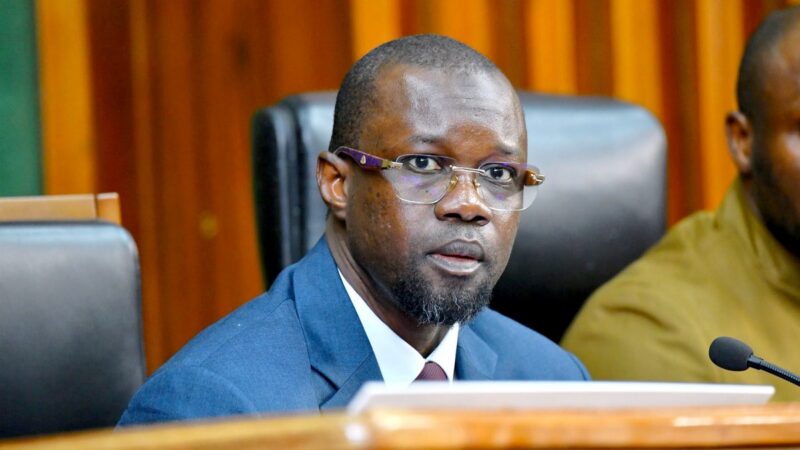
Political temperatures soared in Senegal as Ousmane Sonko, now Speaker of the National Assembly, delivered a fiery address in Mbacké on July 12. The former Prime Minister spared no criticism of President Bassirou Diomaye Faye’s administration, accusing it of abandoning the sovereignist renegotiation of oil, gas, and mining contracts—a cornerstone promise of their shared political coalition.
The speech, which quickly went viral on social media, also condemned what Sonko described as the betrayal of the Pastef movement’s founding principles and alleged corruption within state institutions. His message was clear: a no-confidence motion against Prime Minister Ahmadou Al Aminou Lô’s government would be filed unless policies aligned with the movement’s original vision were reinstated.
A rift that has deepened since May
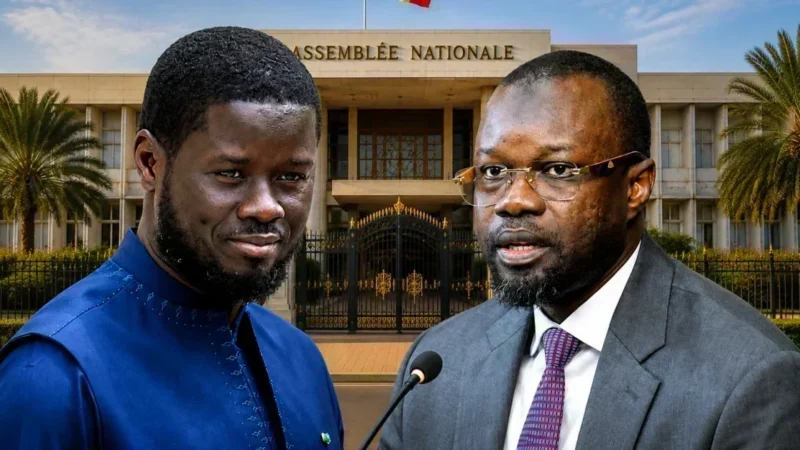
The latest confrontation marks the culmination of a growing divide between the two former allies. On May 22, 2026, President Faye abruptly dismissed Sonko as Prime Minister, a move that sent shockwaves through the nation. The two men had long been seen as inseparable pillars of the Pastef movement, which propelled Faye to victory in the March 2024 presidential election.
Three days later, Ahmadou Al Aminou Lô was appointed Prime Minister, while Sonko assumed the role of Speaker of the National Assembly—a position with significant influence but removed from direct governance. Far from retreating from the political arena, Sonko has leveraged this platform to intensify his critique and pressure the executive branch.
Local leaders shift allegiance to the president
As Sonko ramps up his campaign, President Faye is shoring up support on the ground. On July 12—the same day as the Mbacké rally—ten of the sixteen mayors in the Mbour department publicly declared their backing for the president. This show of strength coincides with Faye’s efforts to build a distinct political base, separate from the historic Pastef movement.
The founding congress of his new party is scheduled for August 8, 2026, at the Dakar Arena. This event symbolizes Faye’s determination to break free from Sonko’s influence and the party that once united them in power.
Confrontation on multiple fronts
Sonko’s criticism extends beyond economic and resource policies. He also targeted the seven members of the Constitutional Council for overturning a constitutional revision, directly implicating President Faye in the decision. The tone reflects an uncompromising opposition, despite both men originating from the same political movement.
Prime Minister Ahmadou Al Aminou Lô responded swiftly on social media, rejecting Sonko’s allegations and accusing him of politicizing patriotism. This counterattack underscores the executive’s resolve to withstand pressure and maintain stability.
Senegal’s evolving political landscape
Senegal, home to 18 million people in West Africa, underwent a historic political transition in March 2024 with the election of Bassirou Diomaye Faye. The young president, backed by the Pastef movement and its leader Ousmane Sonko, had pledged to end entrenched corruption and assert sovereign control over the nation’s natural resources, particularly offshore oil and gas deposits near Dakar.
Mbacké, where the July 12 rally took place, is a religious city in the Diourbel region and the spiritual heartland of the Mouride brotherhood, a powerful Sufi order in Senegal. Touba, the neighboring city and spiritual capital of the Mourides, is a critical electoral battleground. Sonko’s focus on this region is strategic, aiming to solidify his base in an area where President Faye is also seeking to gain influence.
The legal pathway to a no-confidence motion
The threat of a no-confidence motion is not an empty gesture. As Speaker of the National Assembly, Ousmane Sonko holds procedural tools to initiate such a process. The critical question remains whether he can secure the necessary majority to topple the government. The Pastef currently holds a comfortable majority in the Assembly following legislative elections, but the loyalty of lawmakers to Sonko’s cause is now uncertain, particularly when facing a president from the same movement.
The power struggle between the two figures continues, with the renegotiation of contracts with multinational corporations and the future political direction of post-transition Senegal hanging in the balance. The August 8 founding congress of Faye’s new party could mark a decisive turning point in a crisis that is fracturing the once-united camp of change.