Senegal’s political turmoil after prime minister’s sacking
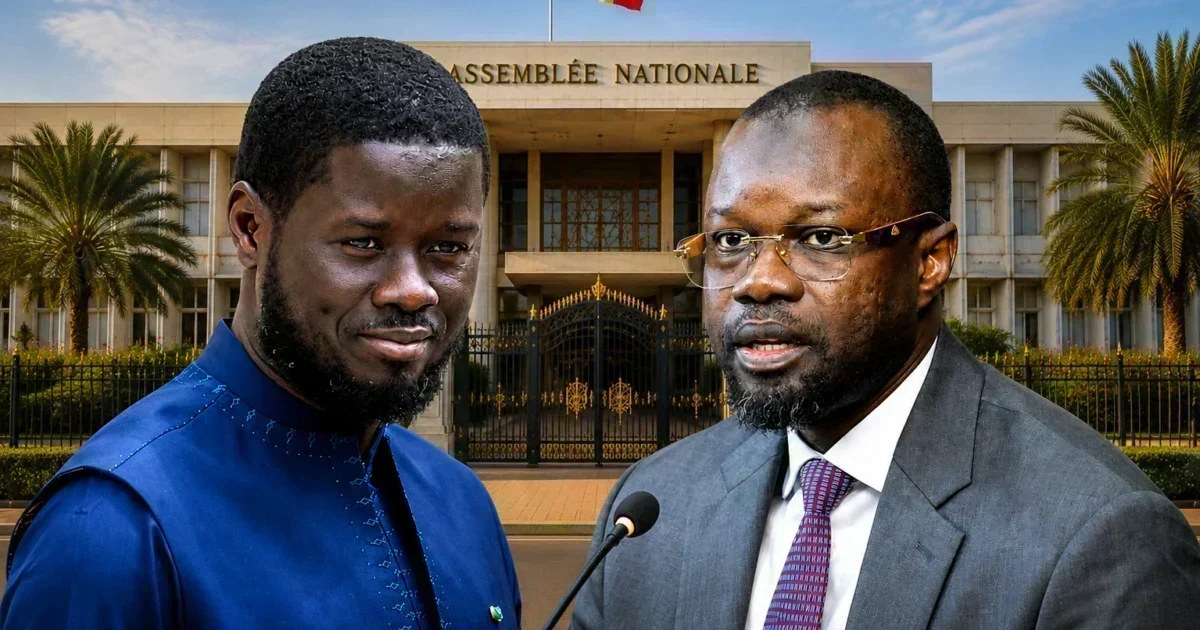
The abrupt dismissal of Senegal’s highly popular Prime Minister Ousmane Sonko by President Bassirou Diomaye Faye has plunged the nation into deep political uncertainty. The pair had ridden to power on a wave of public hope for transformative change after years of political instability.
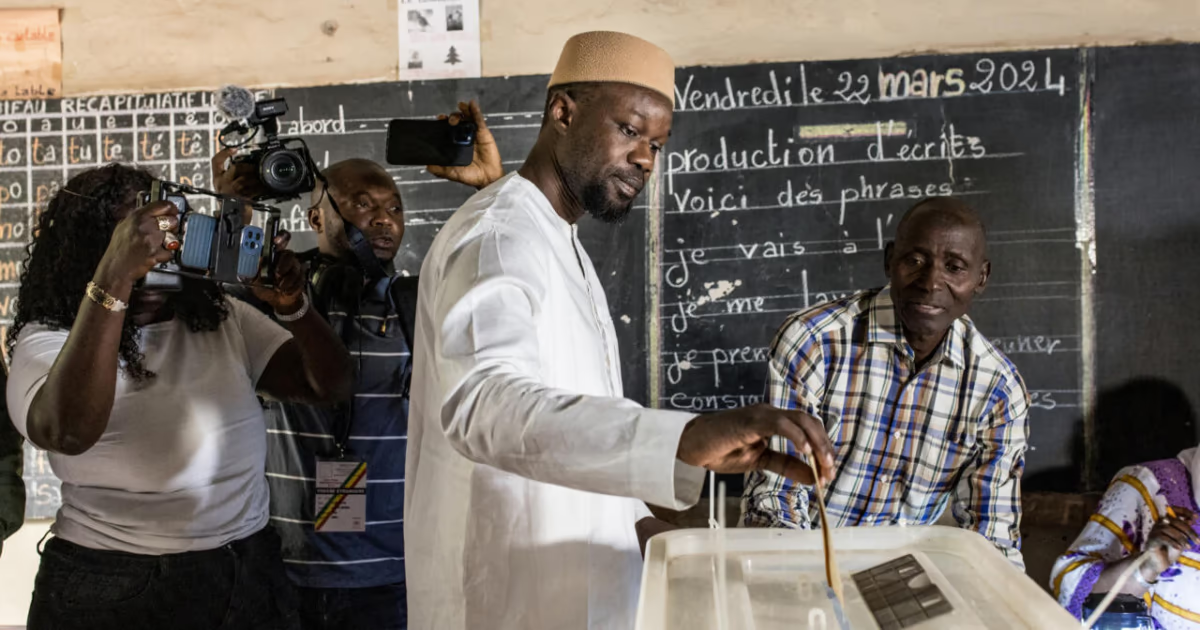
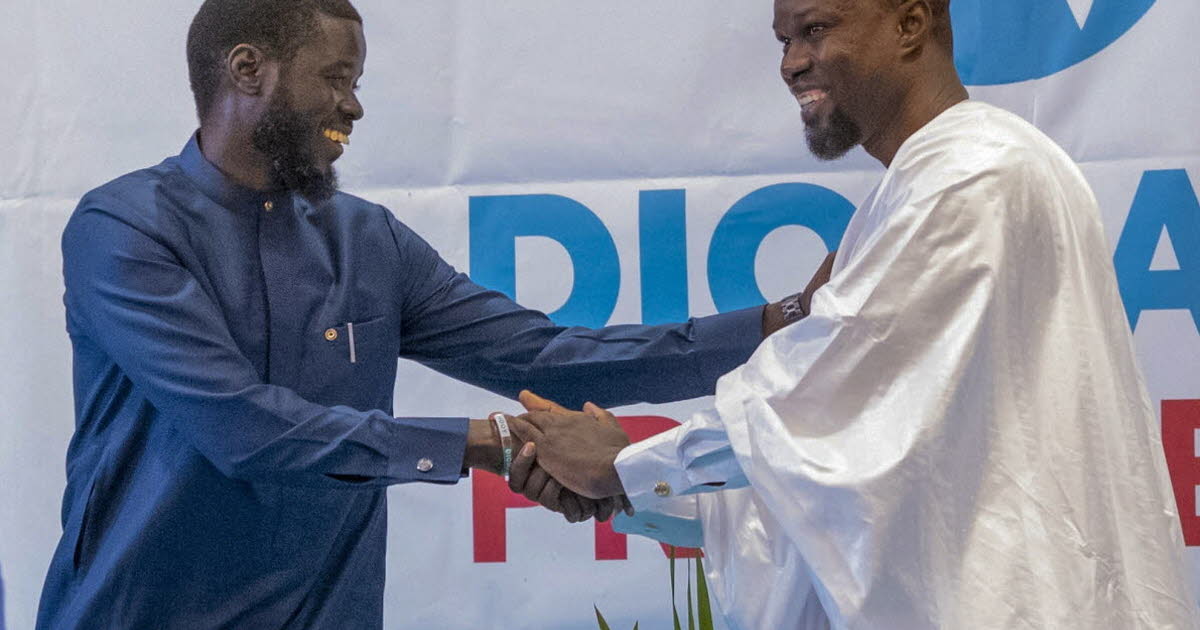
After months of escalating tensions between Senegal’s president and his prime minister, the long-anticipated rupture has finally occurred. President Bassirou Diomaye Faye dismissed Prime Minister Ousmane Sonko on Friday, ending a partnership that had once symbolized national renewal. Faye’s decisive victory in the March 2024 presidential election—secured with 54% of the vote—owed much to Sonko’s influence, despite the latter’s ineligibility to run due to a defamation conviction that barred him from the ballot.
The alliance between the two leaders had once been so close that their campaign slogan—”Diomaye moy Sonko, Sonko doy Diomaye” (“Diomaye is Sonko, Sonko is Diomaye”)—became ingrained in the national consciousness. The public’s relief at their release from prison and swift ascent to power, just ten days after their release, had been palpable as Senegal sought to overcome years of political and social strife. Yet the promise of systemic change and corruption eradication that propelled the Pastef party to power now appears in tatters.
The partnership quickly soured as Sonko’s growing influence overshadowed the president. Internal rivalries between the two men, particularly ahead of the 2029 presidential race, have significantly slowed the implementation of promised reforms. Key disagreements emerged over critical economic issues, including debt reduction strategies. Senegal currently faces one of the highest debt-to-GDP ratios in Sub-Saharan Africa at 132%, inherited from previous administrations.
A looming presidential battle in 2029
The prime minister’s dismissal has triggered an unprecedented political crisis. To govern effectively, President Faye requires the support of the Pastef party, which Sonko still leads. With 130 out of 165 seats in the National Assembly, the party holds an overwhelming majority. Even in his new role as a private citizen, Sonko remains the true architect of the 2024 electoral victory.
“He commands unwavering loyalty from the youth and champions a vision of sovereignty that rejects both corruption and unconstitutional power transfers common elsewhere in Africa,” noted Pascal Boniface, director of the Institute for International and Strategic Relations, following a discussion with Sonko in Dakar last April. “Ousmane Sonko represents a genuine hope for Senegal, despite the nation’s formidable economic challenges. Far from being anti-French, he advocates for Senegalese sovereignty and calls for a fundamental reevaluation of bilateral relations.”

François Mvondo
Journalist