The Nigerien government has announced the definitive end of its partnership with the French mining giant Orano Mining, replacing it with a newly established national company to oversee uranium extraction. This bold move comes after Niamey canceled the group’s long-standing concession and is now taking direct control of one of Africa’s most strategic mineral resources.
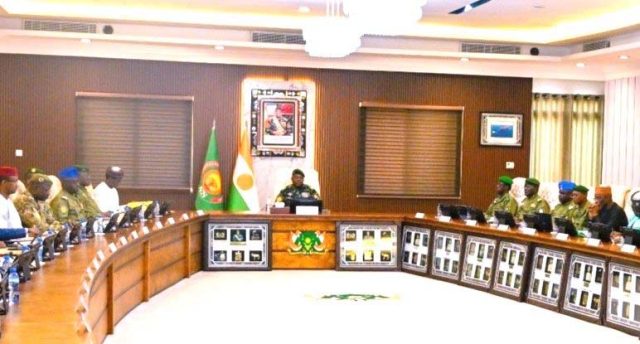
The decision was formalized during a cabinet meeting chaired by President Abdourahamane Tiani, where a decree was adopted to create Teloua Safeguarding Uranium Mining Company (TSUMCO SA). This new state-owned entity will take over from the nationalized Société des mines de l’Aïr (SOMAIR), effectively ending Orano’s 75-year operational rights over the Arlit uranium deposit, initially granted in 1978.
The government justified the name Teloua—derived from an underground aquifer in the Arlit mining region—as a tribute to the environmental legacy of the area, which includes the former COMINAK mine operated by Orano/Areva until 2021. Authorities emphasized the severe ecological damage caused to Saharan ecosystems, soil degradation, and water depletion around the mining sites, framing the move as both a corrective action and a commitment to future sustainability.
Legal confrontation over unpaid fees and environmental liabilities
Niger’s revised mining regulations now mandate a surface royalty of 25 million CFA francs per km² per year for unused concession areas. According to Niamey, Orano Mining failed to comply with this obligation despite a formal notice issued in September 2025. The government cited this non-payment as a key factor in revoking the company’s exploitation rights, while also asserting that Orano remains liable for unfulfilled fiscal and environmental obligations from prior agreements.
The dispute escalated further in June 2025 when Niger nationalized SOMAIR. Since then, Orano has launched multiple legal challenges against the state, actions that the Nigerien Minister of Mines, Ousmane Abarchi, described as a form of “judicial harassment”. These proceedings are reportedly aimed at obstructing the export of Nigerien uranium to global markets, deepening the already strained relations between Niamey and Paris amid broader geopolitical and economic tensions.
The creation of TSUMCO SA signals a decisive shift toward resource sovereignty, placing Niger at the forefront of efforts to reclaim control over its mineral wealth while addressing environmental concerns and financial discrepancies left unresolved by decades of foreign-led extraction.