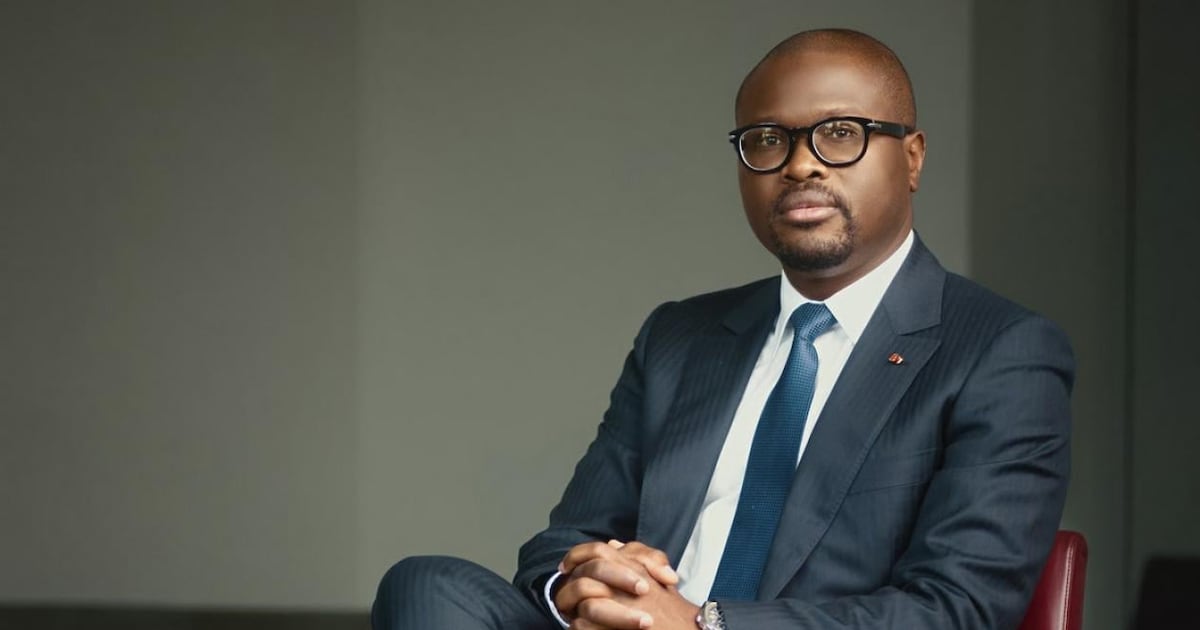
Romuald Wadagni, set to turn 50 next month, officially begins his seven-year term as President of the Bénin after a seamless transition of power.
Following his proclamation as the victor by the Chief Clerk of the Constitutional Court, he took the oath of office on Sunday morning in a brief ceremony at the presidential palace in Cotonou. Unlike recent inaugurations, no former heads of state were in attendance, marking a departure from tradition.
His election on April 12 was virtually uncontested. Paul Hounkpè, his sole opponent—a figure of limited political influence—represented the Forces cauris pour un Bénin émergent (FCBE), a party that has since aligned itself with the presidential majority.
The main opposition party, Les Démocrates, failed to field a candidate due to insufficient endorsements, leaving the political landscape notably subdued.
In his inaugural address, Wadagni paid tribute to his predecessor before outlining key campaign promises. «National growth holds meaning only when it translates into tangible improvements in the daily lives of citizens,» he declared.
He also addressed the nation’s youth: «To the young people of Bénin who reject outdated limitations and seek success through hard work at home, I say this: Bénin believes in you and will provide the opportunities you deserve.»
Strengthening ties with the Sahel
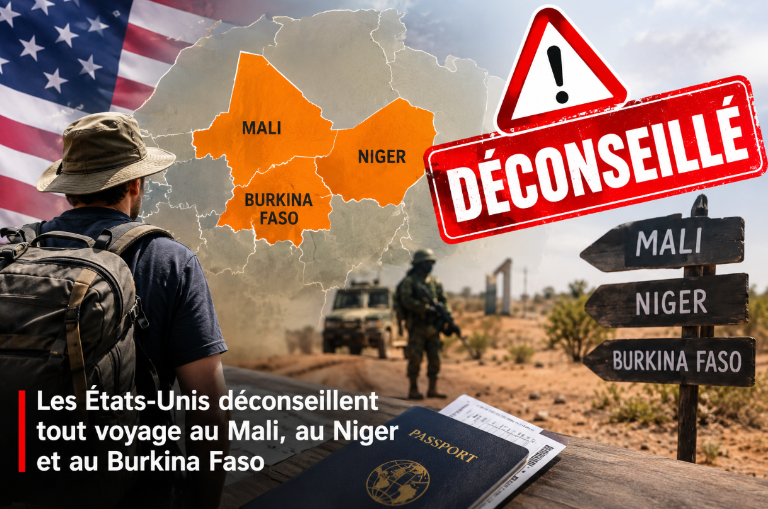
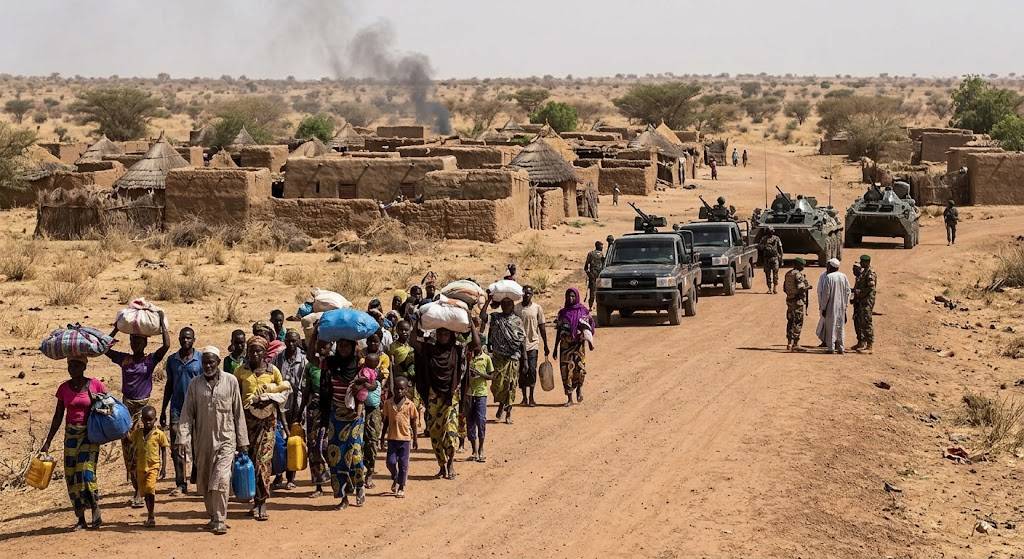
As his first major policy signal, Wadagni emphasized continuity in economic development while addressing pressing security challenges. With jihadist violence escalating in the northern regions, recruitment within local communities remains a growing concern.
«Bénin will neither yield to fear nor falter in its resolve. The state will stand firm against any threat to our unity and security,» he affirmed, calling for collective action with neighboring nations.
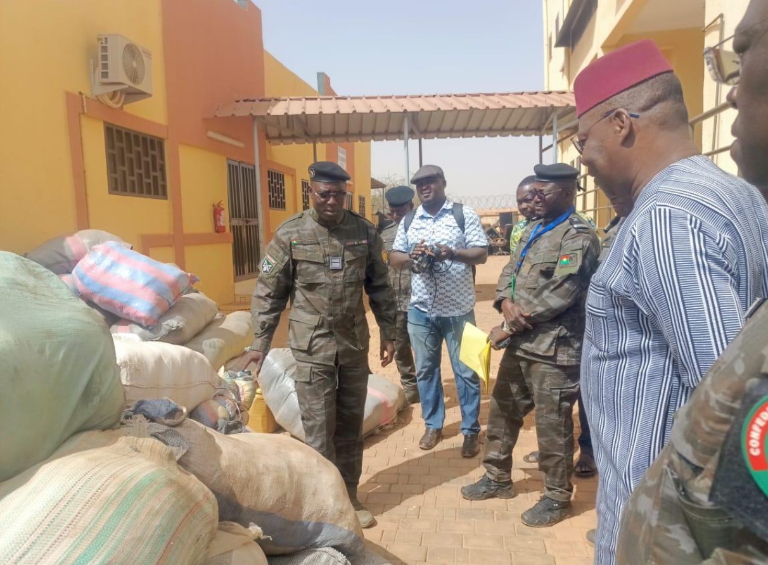
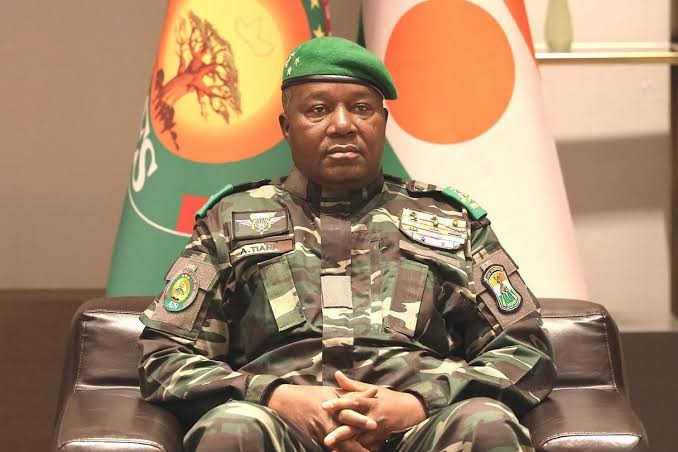
Diplomatic tensions with neighboring Sahelian states, particularly Niger, have strained regional relations. Accusations of destabilization attempts have fueled distrust, but Wadagni—an outspoken Francophile—has signalled his intent to mend fences. Notably, Niger’s Prime Minister, Ali Mahaman Lamine Zeine, attended the ceremony, receiving warm applause, while Burkina Faso and Mali sent their foreign ministers. This attendance underscores a cautious thaw in relations.
Balancing progress and liberties
The president’s early decisions on civil liberties will be closely monitored, especially after his predecessor faced criticism for a perceived authoritarian shift, including the imprisonment of prominent opposition figures.
Press freedom advocates have urged Wadagni to prioritize media rights and release detained journalists, calling for a fresh start in safeguarding democratic freedoms.
The Bénin now enters a six-year electoral hiatus, following constitutional reforms that consolidate all national and local elections into a single cycle. This change aims to stabilize governance but reduces avenues for political renewal.
A leader forged in reform
Born on June 20, 1976, in Lokossa, a town in southwestern Bénin near the Togolese border, Wadagni hails from an intellectual family—his father, Nestor, was a prominent economist, and his mother, an entrepreneur. Despite his global career, he remains deeply connected to his roots, proudly owning a farm he has never abandoned.
His academic journey took him from finance studies at the École supérieure de commerce in Grenoble to advanced training at Harvard University. He later joined Deloitte, rising to partner and overseeing African operations before returning home in 2016.
At 39, he was entrusted by then-incoming President Patrice Talon with leading the Ministry of Economy and Finance. Under his leadership, Bénin overhauled its fiscal policies, slashing the deficit to 3% of GDP and launching major infrastructure projects that modernized its economy.
Renewed in 2021, Talon retained Wadagni, elevating him to Minister of State—a testament to his trust in continuity and reform.
A presidency of pragmatism
With average economic growth exceeding 6% over the past decade, Bénin has earned praise as a West African success story. Investors view it as a stable and attractive destination.
Analysts expect Wadagni to maintain this trajectory, but governance extends beyond economics. The rising tide of jihadist violence in the north demands urgent attention, with the military bearing the brunt of attacks.
His inner circle confirms that Talon involved him in all major security decisions, effectively grooming him as successor. Wadagni’s campaign secured support from both leading majority parties and even former opponents, earning him a reputation as a unifier.
«Some criticize him for his reserved demeanor, but in times of uncertainty, sobriety and results matter more than rhetoric,» says Lucien Fayomi, a civil society leader and supporter. «He represents a new generation of leadership—less about words, more about action.»