Ouagadougou’s strategic shift raises questions over true benefits
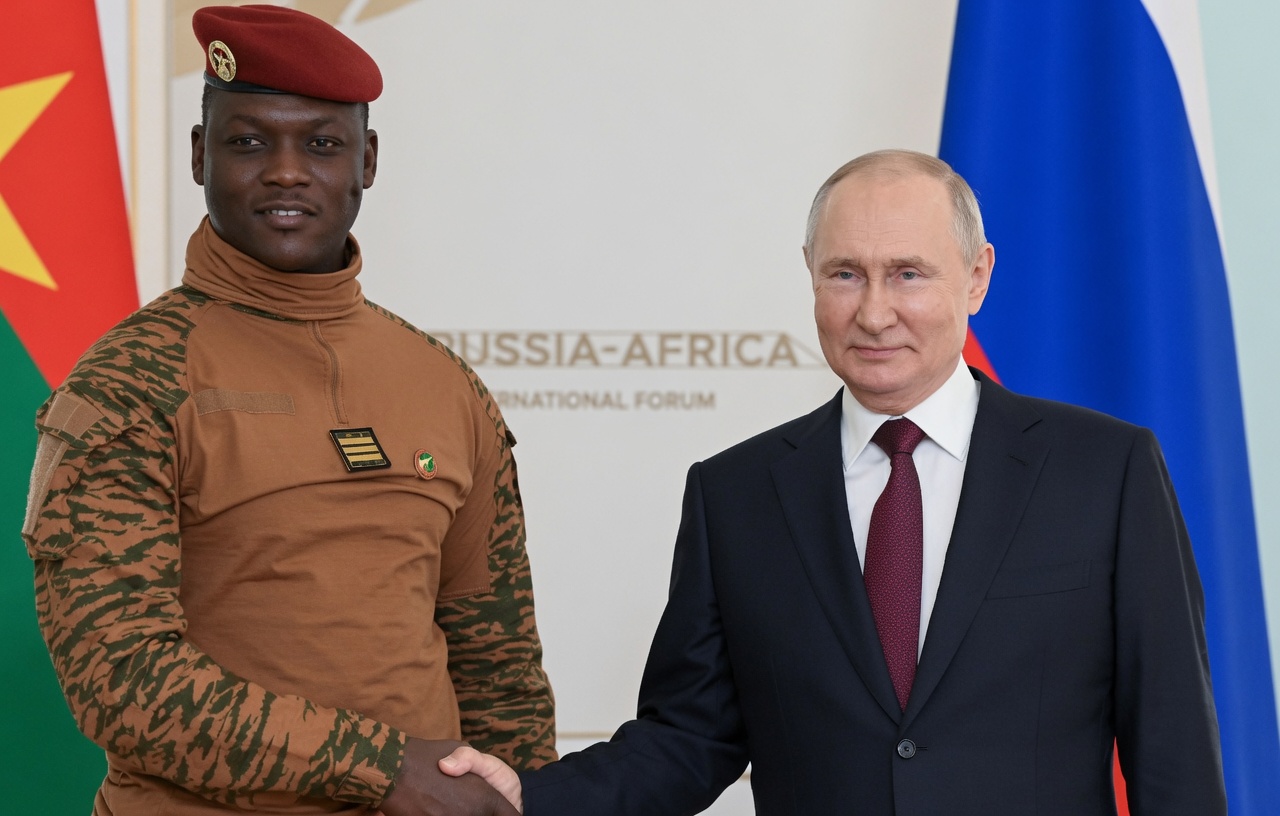
Since deepening ties with Moscow, Burkina Faso’s leadership has framed Russia as a key ally, promising enhanced sovereignty and security without political strings attached. Official statements emphasize a so-called “win-win” relationship built on mutual respect and flexibility. Yet beneath the rhetoric lies a more complex reality, one that challenges the narrative of an unequivocal success.
Sovereignty or a new form of dependence?
Ouagadougou argues that turning away from traditional Western partners has restored its diplomatic independence. However, replacing one dependency with another does not automatically equate to regained sovereignty. A truly autonomous partnership requires the ability to diversify alliances, negotiate from a position of strength, and avoid becoming overly reliant on a single player for critical sectors such as defense or natural resources.
Security gains remain elusive despite military cooperation
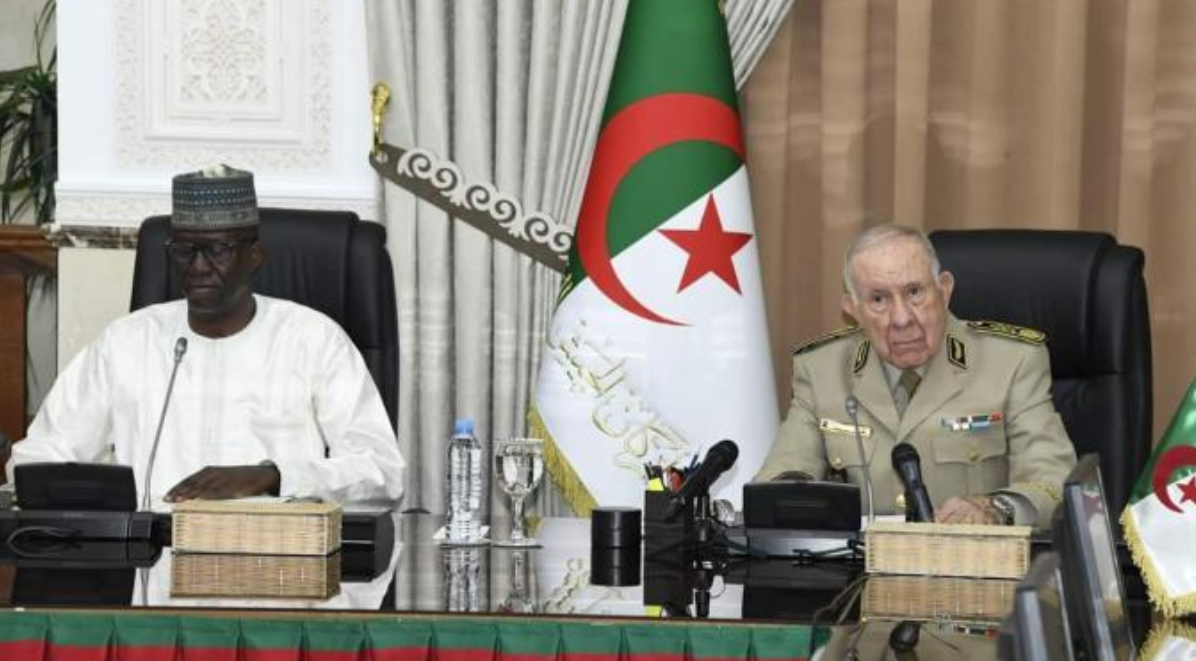
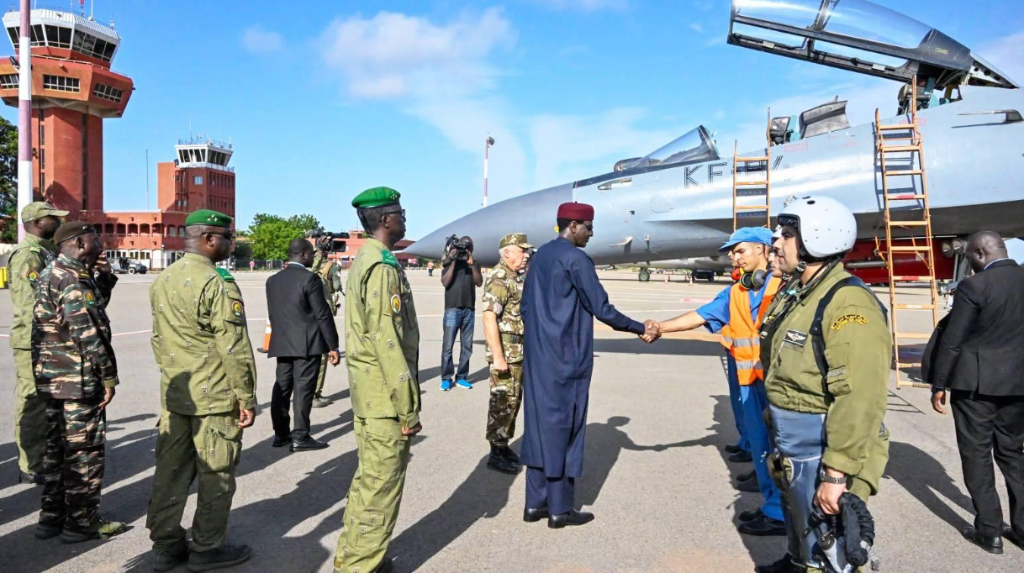
Military collaboration with Russia has expanded, yet the country continues to grapple with persistent insecurity. Deadly attacks, mass displacements, and armed group pressure persist in several regions. While cooperation has intensified, measurable improvements in security outcomes remain scarce. The question lingers: has this alliance fundamentally shifted the balance against insurgent threats, or has it merely adjusted the dynamics of a worsening crisis?
Economic promises vs. real outcomes
Moscow’s pledged investments and trade opportunities have been widely publicized, yet tangible economic benefits for Burkina Faso remain limited. Key indicators reflect ongoing strain, with local businesses struggling under the weight of insecurity, disrupted supply chains, and reduced activity. Promises of prosperity must be weighed not by announcements, but by their measurable impact on ordinary citizens.
One particularly contentious proposal involves leveraging gold reserves in exchange for Russian wheat—a move touted as a new model of sovereignty. Yet this approach raises concerns. Does it signal that Burkina Faso can no longer feed its own people through domestic production? If national wealth must be traded for basic food security, does this not expose a deeper economic vulnerability rather than a display of strength? True sovereignty extends beyond choosing new partners; it demands the capacity to ensure food security, transform resources into sustainable growth, and improve living standards.
Education and human capital: a partial bright spot
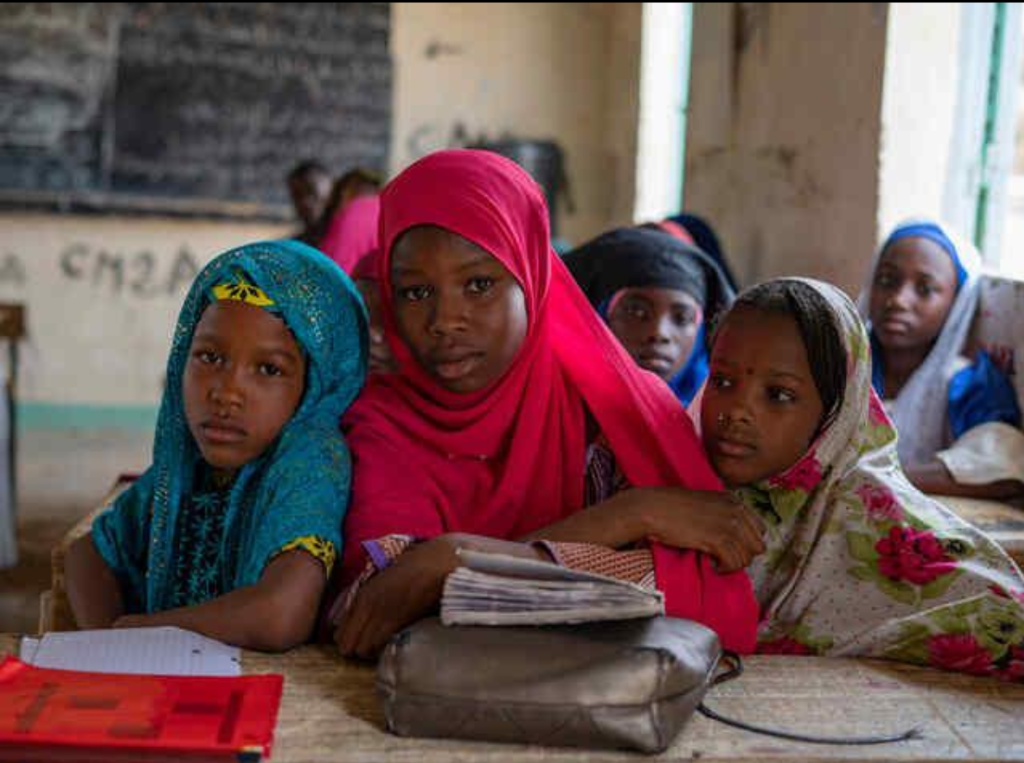
The expansion of academic exchanges, allowing Burkinabè students to study in Russia, offers a potential boost to national skills development. However, these programs benefit a limited number of individuals and do little to address systemic challenges in education and youth employment across the country.
The myth of unconditional partnership
The claim that Russia imposes no conditions warrants scrutiny. In geopolitics, no nation acts purely out of altruism. Moscow’s engagement in Africa aligns with its broader strategic goals: reinforcing diplomatic influence, countering Western sanctions, and securing economic footholds. Portraying this relationship as entirely selfless obscures the reality of mutual but unequal interests.
The risks of over-reliance on a single partner
Concentrating partnerships within a narrow circle carries long-term risks. A heavy tilt toward one power can restrict diplomatic flexibility, deter diverse investment, and complicate relations with other global actors. In an era of shifting alliances, true diversification means maintaining open channels with multiple partners—not merely swapping one bloc for another.
Measuring partnership success by its people
The ultimate test of any international alliance lies in its impact on daily life. Sovereignty is not measured in diplomatic speeches or symbolic gestures, but in tangible improvements: safer communities, accessible public services, economic resilience, and opportunities for youth. On these fronts, the results remain disappointing.
Declaring the Russia-Burkina Faso partnership a resounding success appears premature. While the alliance has opened diplomatic avenues, it has yet to prove itself capable of addressing the nation’s core challenges. For this reorientation to deliver real value, outcomes must be concrete, sustainable, and felt by the people. Until then, the narrative of a flawless “win-win” partnership remains unconvincing.