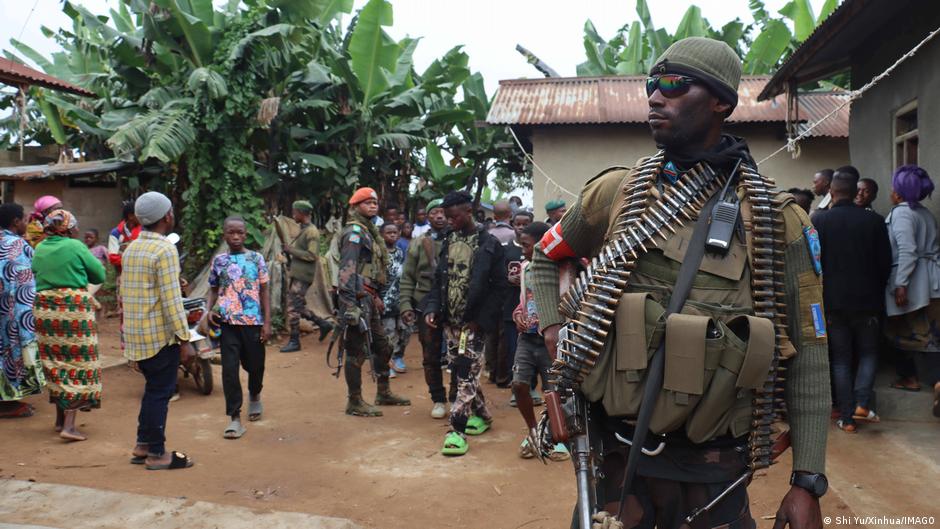
The Armed Forces of the Democratic Republic of Congo (FARDC) have implemented a strict ban on military personnel using smartphones during operations in the eastern regions. This decision follows repeated failures in combat missions, attributed in part to the misuse of mobile devices.
In the volatile zones of Uvira and Fizi in South Kivu, soldiers have long relied on phones to maintain contact with family, document their activities, or even broadcast battlefield updates—often without considering the security risks. A mid-ranking officer, speaking on condition of anonymity, admitted using his phone to check on his family’s well-being but acknowledged the necessity of compliance with the new directive.
Why the ban matters
According to the interim spokesperson for the FARDC, Lieutenant-Colonel Mak Hazukay, smartphones pose a critical threat to troop safety. An active or improperly handled device can expose soldiers’ locations, enabling enemy forces to track and target them. The military has urged all personnel to refrain from sharing operational details, troop movements, or images on social media or messaging platforms.
Civil society leader Kelvin Bwija, coordinator of the Socico in Uvira, supports the measure, citing instances where soldiers allegedly used phones to communicate with adversaries or leak sensitive information. “This declaration is commendable,” he stated. “Some within the FARDC have exploited their devices to collude with enemies of the DRC, providing them with tactical insights.”
Balancing security and necessity
Human rights lawyer Maître Aimé Bisimwa acknowledges the indispensable role of mobile phones in daily life but stresses that military personnel must prioritize operational secrecy. “This restriction does not violate communication rights,” he argued. “Soldiers worldwide are trained to conceal their positions. Regardless of circumstances, they must uphold their oath to serve, even at the ultimate cost.”
Meanwhile, clashes persist in the highlands and plateaus of Mwenga and Fizi, where the FARDC and allied Wazalendo forces face off against the AFC/M23–Twirwaneho coalition, reportedly backed by the Rwandan military. The new smartphone ban aims to curb vulnerabilities that have hindered past operations in the region.