The captain’s iron-fisted rule drives Burkina Faso toward unprecedented international isolation
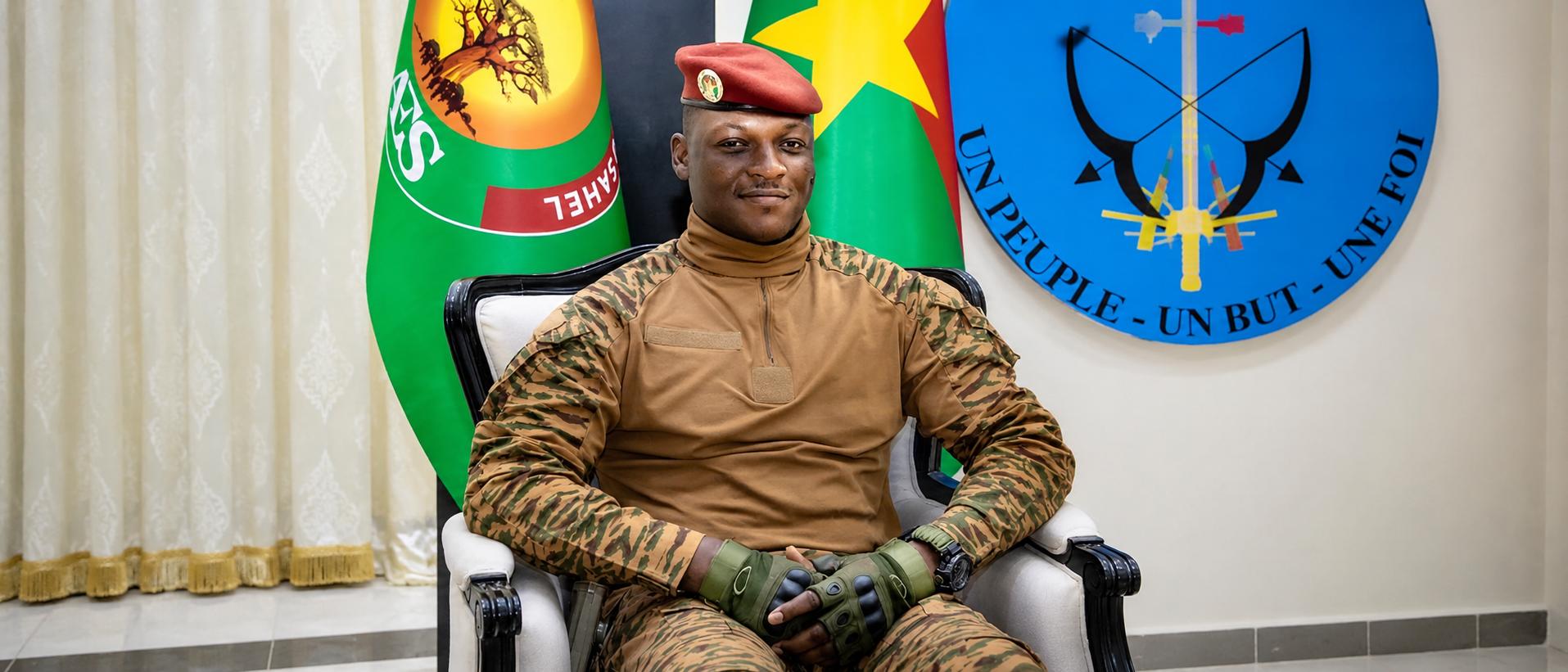
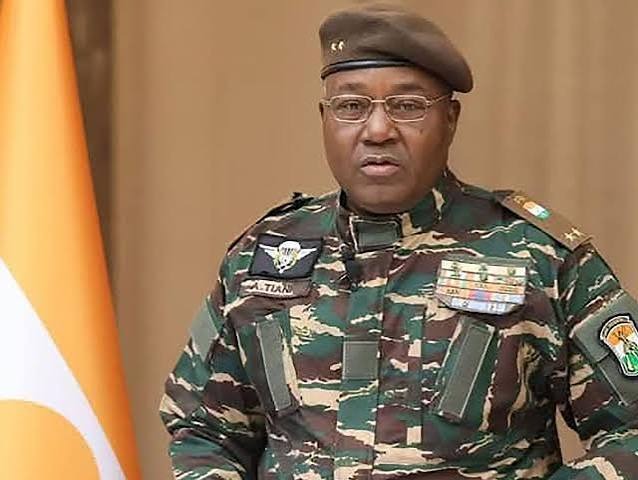
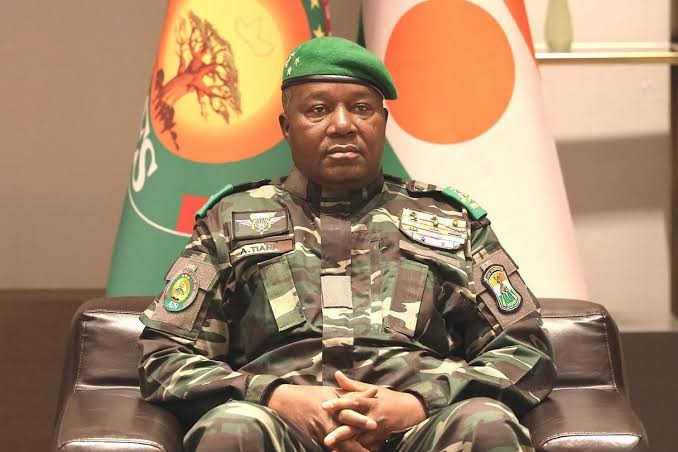
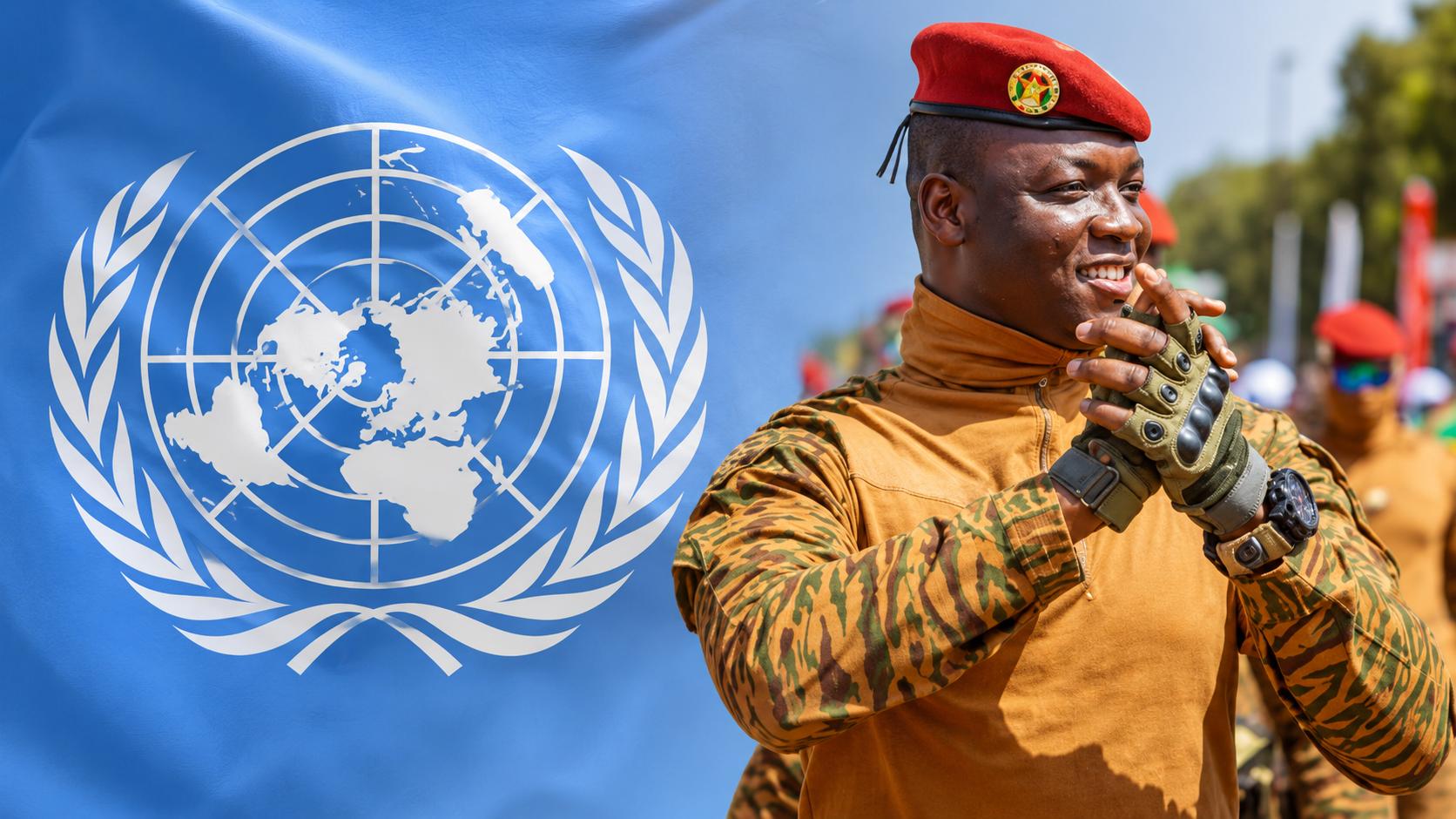
The Burkina Faso of today is a nation sliding into unprecedented diplomatic isolation, and at the heart of this downward spiral stands Captain Ibrahim Traoré. His decision to eject the United Nations human rights office marks another step in a governance style built on deep-seated distrust, a refusal to engage openly, and a systematic drive to silence any voice of scrutiny.
Since seizing power in a coup in September 2022, Captain Traoré has recast the Burkinabè people’s legitimate aspiration for sovereignty into a scorched-earth diplomatic strategy. What began as a quest for national autonomy has mutated into a policy of deliberate exclusion, with each move designed to carve out an unchallenged narrative of power.
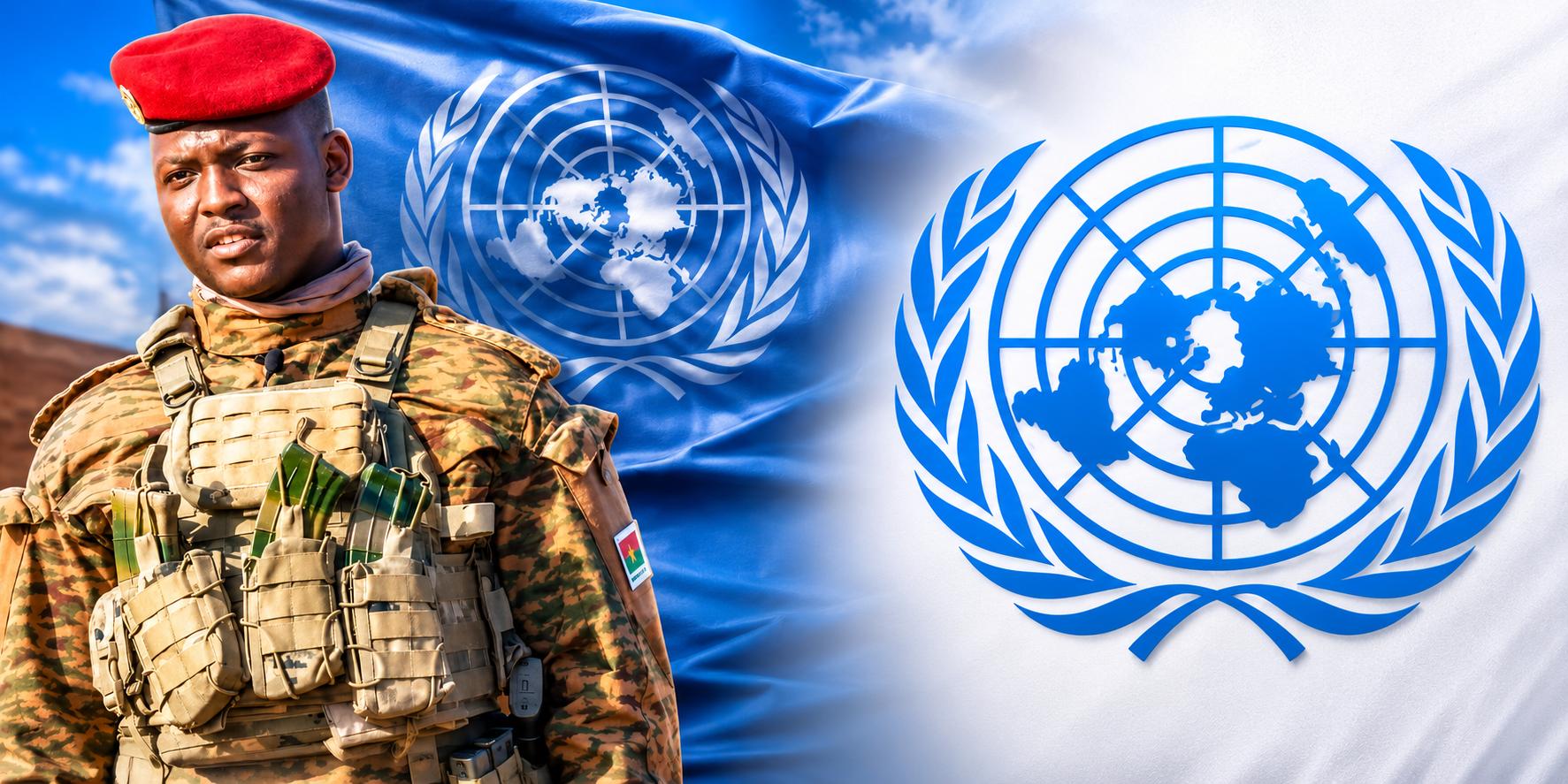
A calculated retreat from the world stage
The expulsion of the UN human rights mission is not an isolated blunder; it is the latest in a pattern of isolationist decisions orchestrated by Traoré. To shield his leadership from criticism and mask security setbacks, the head of state has methodically severed ties with long-standing partners:
- He initiated a sudden and harsh rupture with the Economic Community of West African States (ECOWAS).
- Under his orders, independent media outlets—both local and foreign—are routinely censored or suspended at the slightest sign of dissent.
- His government turned on its own National Human Rights Commission before targeting the UN office.
By silencing each independent observer, Ibrahim Traoré seeks to monopolize the national narrative, labeling anyone documenting abuses, failures, or excesses as “traitors” or pawns of foreign interference.
A dangerous gamble with the nation’s future
This hyper-personalized and impulsive leadership has pushed Burkina Faso into a precarious position. By rejecting cooperation with the United Nations and announcing plans to withdraw from the International Criminal Court (ICC), Traoré not only shirks accountability toward the international community but first and foremost abandons his duty to the Burkinabè people.
Cutting off access to UN expertise in international humanitarian law for national forces and civilian defense volunteers (VDP) is a grave strategic misstep. It removes critical oversight, paves the way for impunity in conflict zones, and risks turning civilians against the state—ultimately playing into the hands of armed groups.
The captain’s vision of sovereignty appears less like a shield for self-determination and more like a blank check to govern beyond scrutiny and legal constraints. In this self-imposed isolation, Burkina Faso is not asserting strength; it is marching toward political and humanitarian deadlock.