Us strategy shifts focus to Sahel security and trade

US reorients Sahel policy toward security and economic ties
The recent visit of Nick Checker, head of the US State Department’s African Affairs Bureau, to Bamako signals a renewed Washington presence in the Sahel. However, this engagement comes with a strategic recalibration across three key pillars: a pivot toward trade-focused diplomacy—particularly in critical minerals—a renewed security focus with reduced permanent military presence, and a shift from broad humanitarian aid to targeted economic and security partnerships.
Key insights from expert analysis on US-Sahel policy shifts
Strategic priorities under the new US approach
Dr. Gnaka Lagoke, Associate Professor of History and Pan-African Studies at Lincoln University in Pennsylvania, provides critical context on the evolving US strategy in the Sahel:
- Security recalibration: The US has demonstrated restraint in responding to political transitions in the Sahel, avoiding military interventions that characterized earlier approaches. This shift was evident during the Niger crisis, where Washington chose diplomatic engagement over confrontation despite pressure from European allies.
- Economic realignment: With global competition intensifying between Western powers, Russia, and China, the US is prioritizing access to the Sahel’s abundant mineral resources. This economic dimension aligns with Washington’s broader strategy in resource-rich regions like Venezuela and the Democratic Republic of Congo.
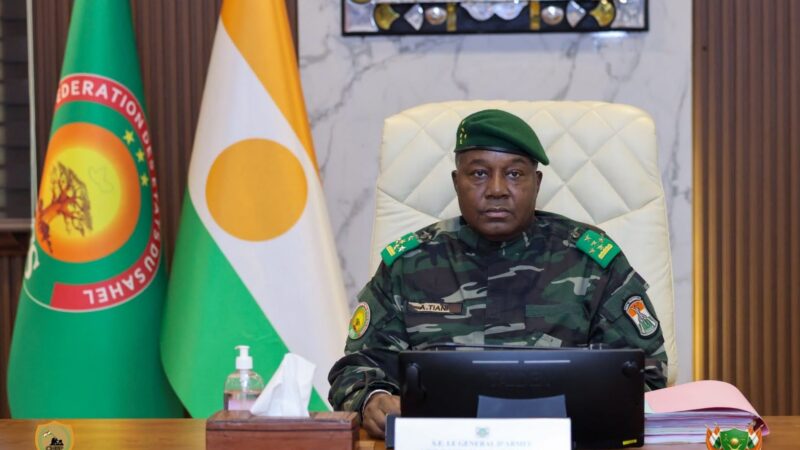
- Geopolitical positioning: The US is leveraging its diplomatic flexibility to engage with Sahelian states—particularly those in the Alliance of Sahel States (AES)—that have faced isolation from traditional partners. This creates new negotiation opportunities while reinforcing American interests in sovereignty and resource access.
Nigeria emerges as key partner amid regional shifts
The reconfiguration of US military presence—particularly the relocation of bases from Niger—has elevated Nigeria’s importance in Washington’s Sahel strategy. Analysts point to two primary motivations:
- Resource access: Nigeria’s substantial oil reserves and mineral wealth make it a strategic partner in Washington’s economic and security calculus.
- Counterterrorism narrative: While the US has cited protection of Christian communities as justification for limited military actions in northern Nigeria, experts suggest this serves as a cover for broader geopolitical and economic objectives.
Opportunities and challenges for Sahelian states
The new US approach presents both advantages and complexities for AES member states:
Potential benefits:
- Enhanced sovereignty: The US emphasizes respect for local governance decisions, offering an alternative to European approaches that have sometimes been perceived as interventionist.
- Strategic flexibility: Sahelian states can leverage competition between Western powers for better negotiating positions, potentially securing more favorable economic and security arrangements.
Critical considerations:
- Hidden agendas: Some observers caution that the US strategy may involve complex networks of influence, with historical precedents suggesting potential long-term consequences for regional stability.
- Negotiation leverage: The ultimate benefits for Sahelian states will depend heavily on their ability to negotiate effectively in this new geopolitical landscape.
As the US redefines its engagement with the Sahel, the region faces a pivotal moment where economic partnerships and security arrangements may reshape both local dynamics and global power balances.