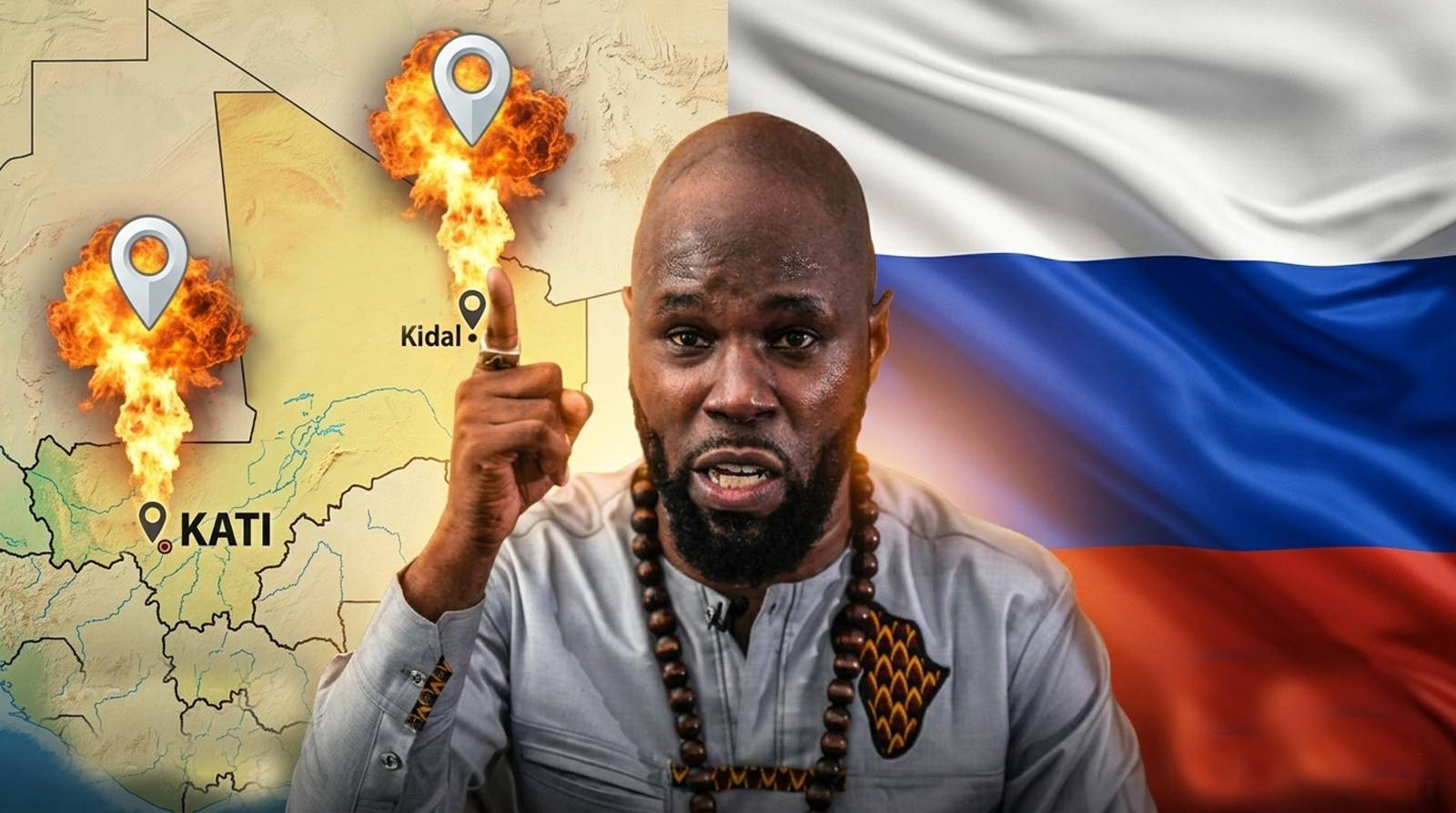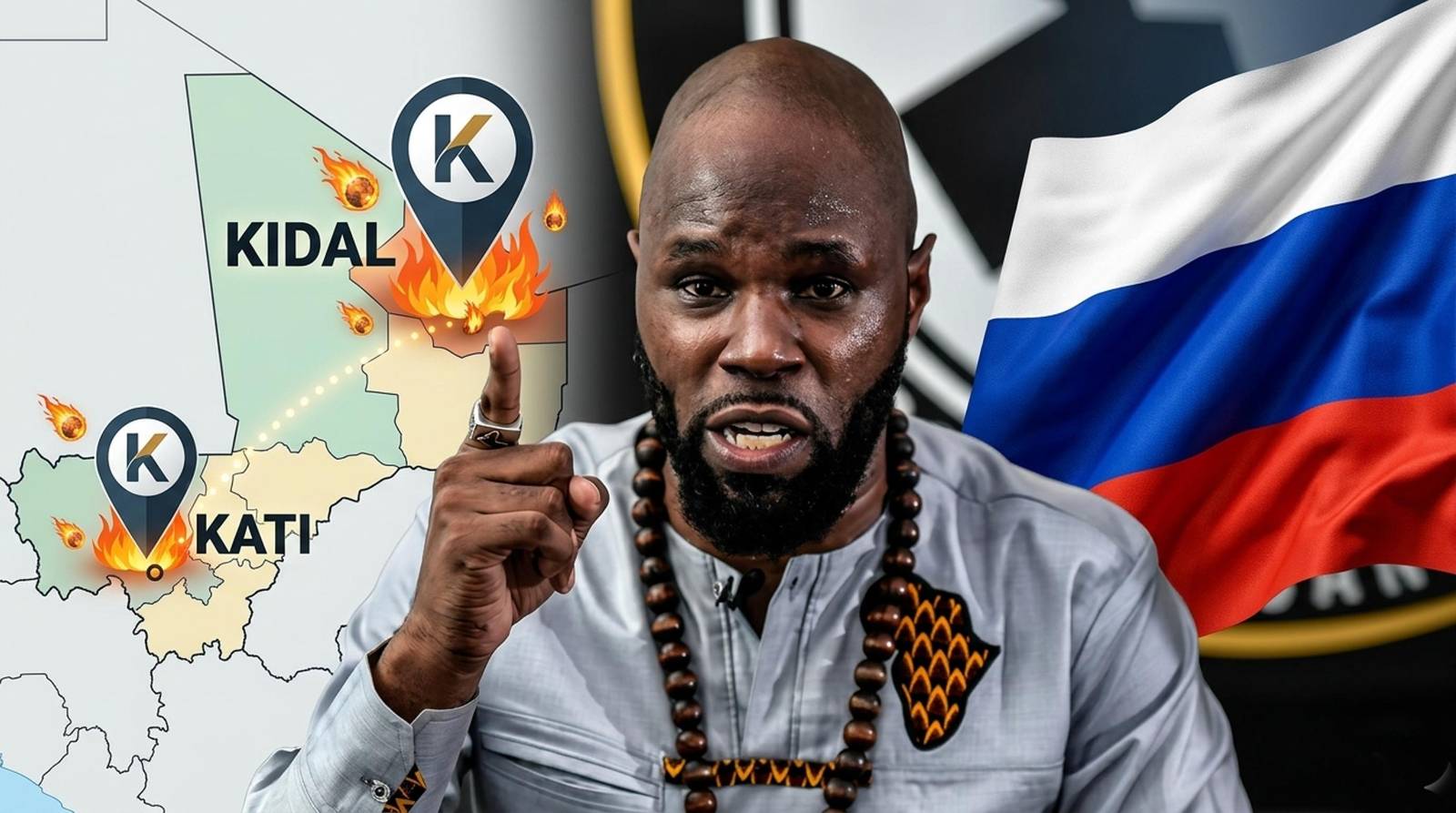
The ground shakes in Kati and Kidal falters. This past Saturday, April 25, 2026, the narrative of “liberation from the East” collapsed under the weight of reality. As the Africa Corps struggles to deliver on the battlefield, even Kemi Seba’s credibility is crumbling. Between his bold social media claims and private WhatsApp recordings where he calls the Russians “opportunists,” the self-proclaimed panafricanist activist appears to be scrambling for an exit strategy.
Mali’s military partnership with Russia: a promise unfulfilled
What started as a bold declaration of sovereignty has turned into a sobering reality check for Bamako. The morning explosions in Kati, the nerve center of Mali’s military leadership, shattered any illusion of progress. The so-called “Russian miracle solution” against armed groups is now visibly faltering. But perhaps the most telling sign of failure? The architects of this alliance, including Kemi Seba, are already distancing themselves from the wreckage.
The promise of a “turnkey security” partnership has dissolved into chaos. Months of rhetoric about Russian “instructors” swiftly cleaning up the conflict zone have yielded little more than charred military vehicles, besieged camps, and relentless attacks. The strategy of entrusting Moscow with Mali’s security has not only failed to secure additional territory—it has alienated allies and deepened distrust.
Kemi Seba’s credibility cracks under scrutiny
Kemi Seba, once the loudest voice advocating for breaking ties with the West, now appears trapped by his own words. While he continues to posture in public, leaked private recordings reveal a different narrative. In these audio messages circulating on WhatsApp, Seba’s tone is unfiltered: he openly labels the Russians as “the worst kind of opportunists.”
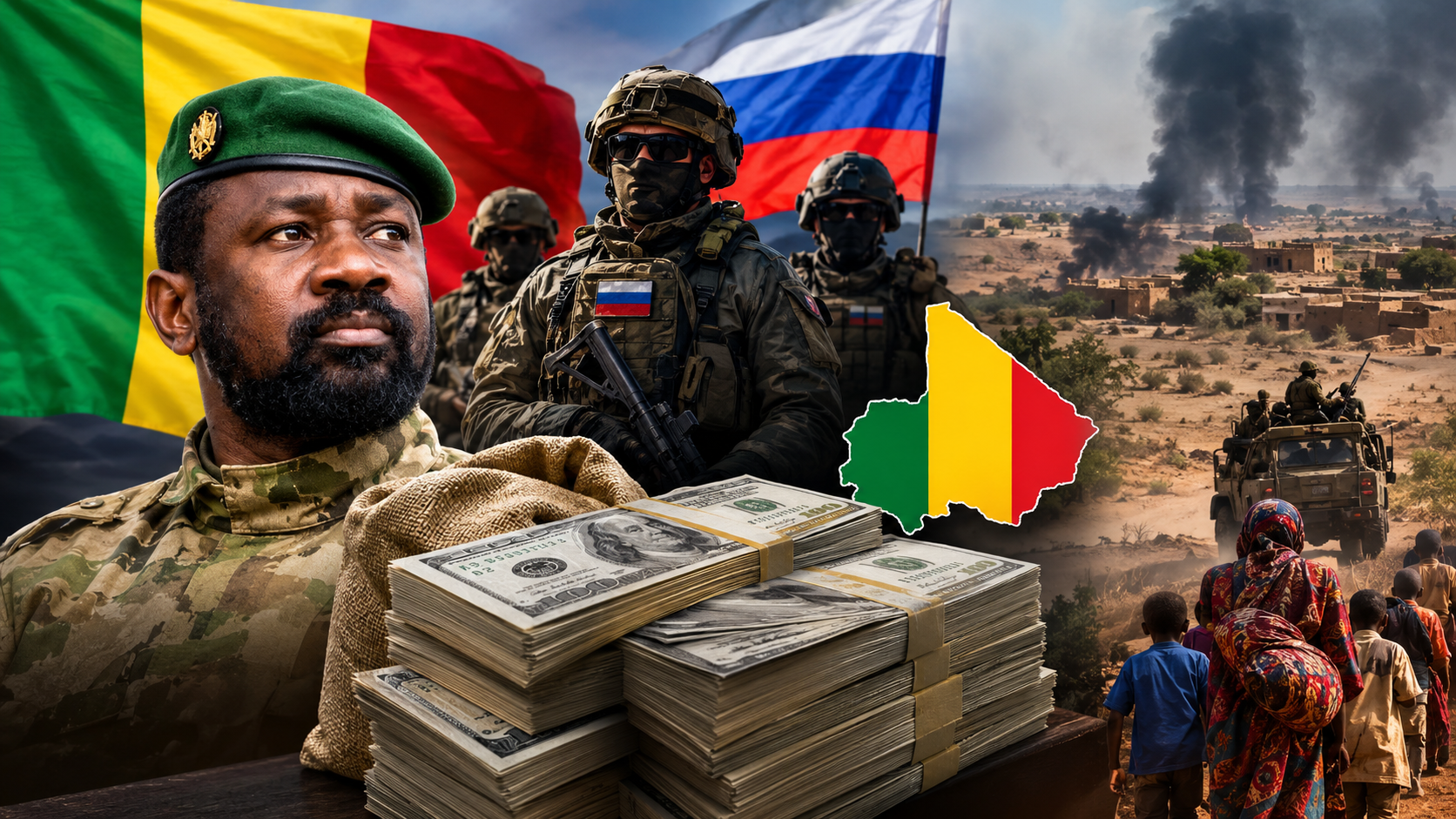
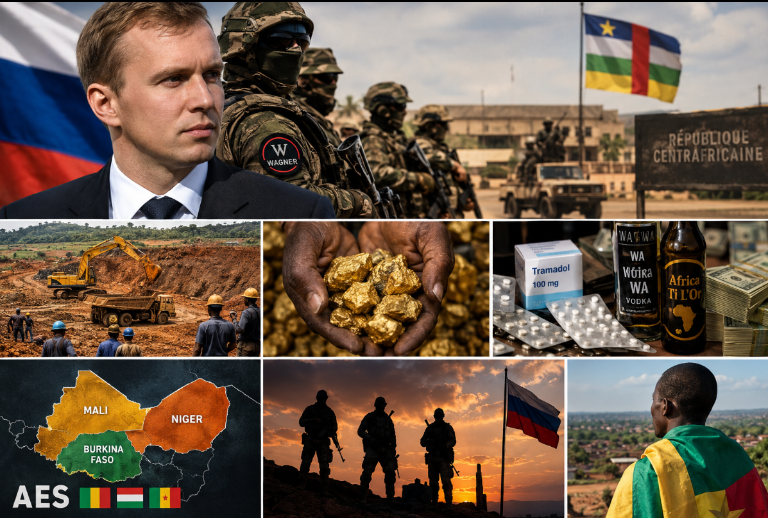
The activist’s about-face underscores a harsh truth: Russia’s involvement in Mali is not about partnership—it’s a transaction. Mercenary forces and arms in exchange for access to Mali’s gold mines. Seba’s admission, though reluctant, confirms what many feared: Moscow behaves like a new colonizer. And just like its predecessors, it may be expelled before long.
Sovereignty sold, security forgotten
The real casualties of this failed alliance are not the politicians or influencers, but the Malian people and soldiers on the front lines. The “Russian solution” has become a hollow business deal where security is the missing delivery at the end of every month.
The latest offensive has exposed the flawed strategy. By swapping one foreign patron for another, ideologues like Seba only changed the color of the flag—not the reality of violence and instability. Today, Mali stands at a crossroads: a Russian force that delivers no miracles, and a ruling class scrambling to rewrite history, claiming they always knew the Russians were exploiters. The awakening is brutal, and the cost to the nation could be catastrophic.