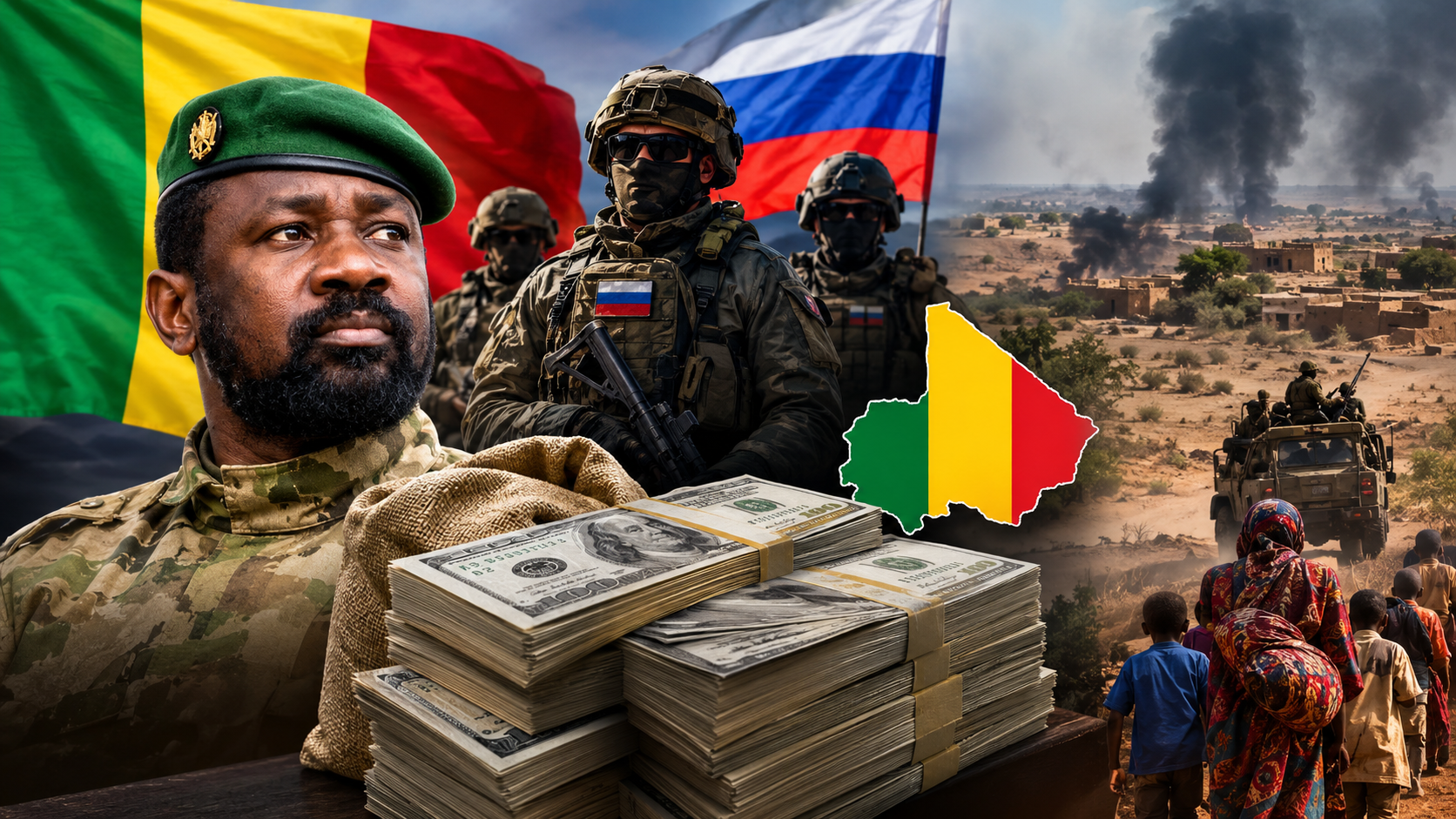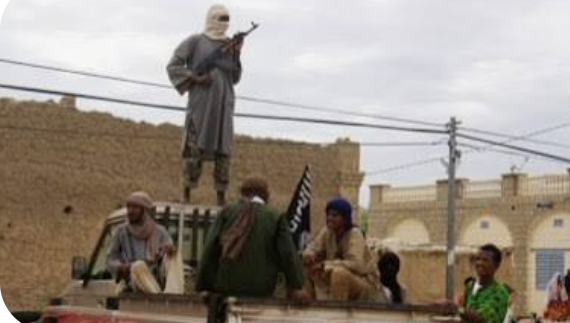
The Mali government’s gamble on a military partnership with Moscow to restore peace across its territory is facing severe setbacks as instability escalates on April 25. While negotiations unfold in Kidal to secure the withdrawal of Russian paramilitary forces, fresh clashes erupt in Kati—the strategic heart of Mali‘s power. This dual crisis exposes glaring flaws in the government’s hardline security strategy, now heavily reliant on foreign mercenaries.
Kidal agreement: a fragile ceasefire or a surrender to rebellion?
In a surprising turn of events, Mali‘s transitional authorities appear to have struck a deal with Tuareg rebel factions in the Kidal region, allowing Russian-backed forces to withdraw safely. While officials frame the agreement as a humanitarian move to avoid civilian casualties, critics argue it reveals a stark reality: external military support, whether from Western nations or Russian contractors, has failed to deliver lasting stability in Mali.
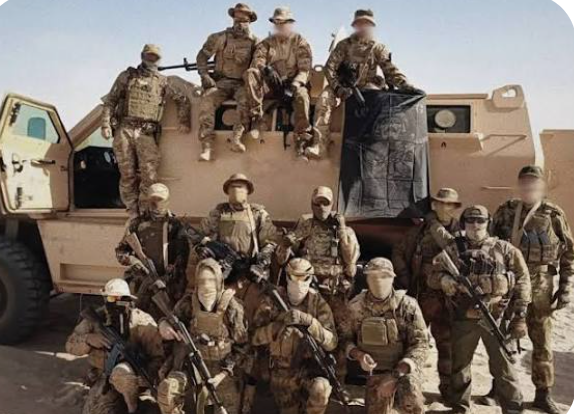
The Kidal accord underscores the Malian government’s struggle to assert control over rebel-held territories. Once touted as a cornerstone of sovereignty, the region remains a flashpoint, forcing Bamako to rely on unconventional negotiations with armed groups—something many view as a humiliating compromise rather than a strategic victory.
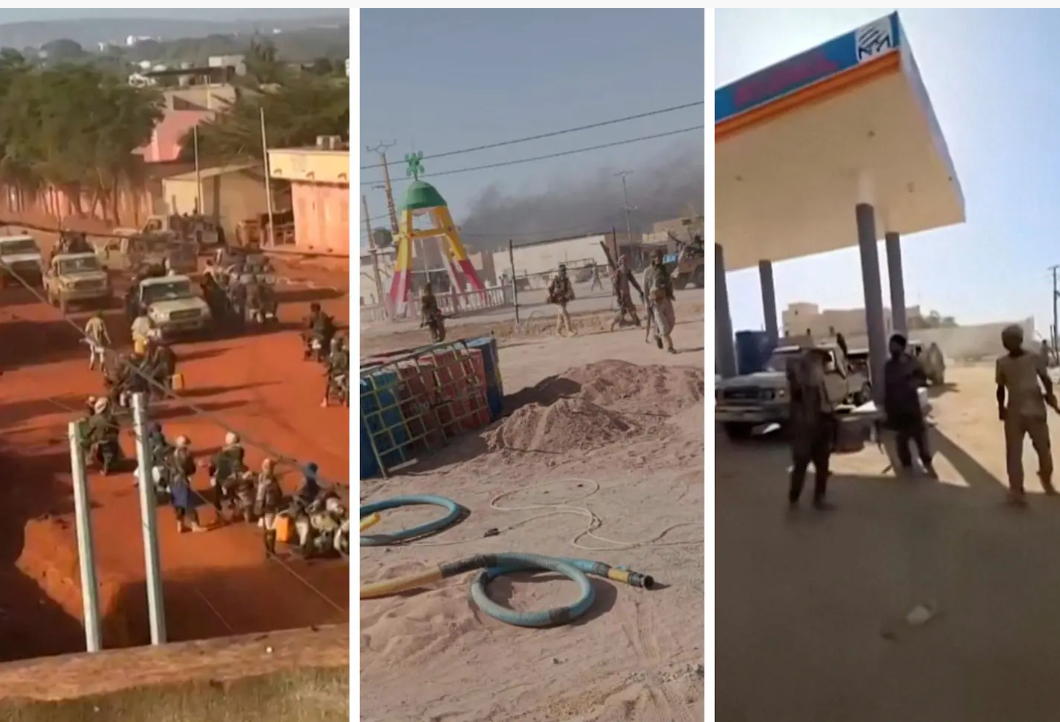
Kati’s escalating violence: when the capital’s backyard becomes a warzone
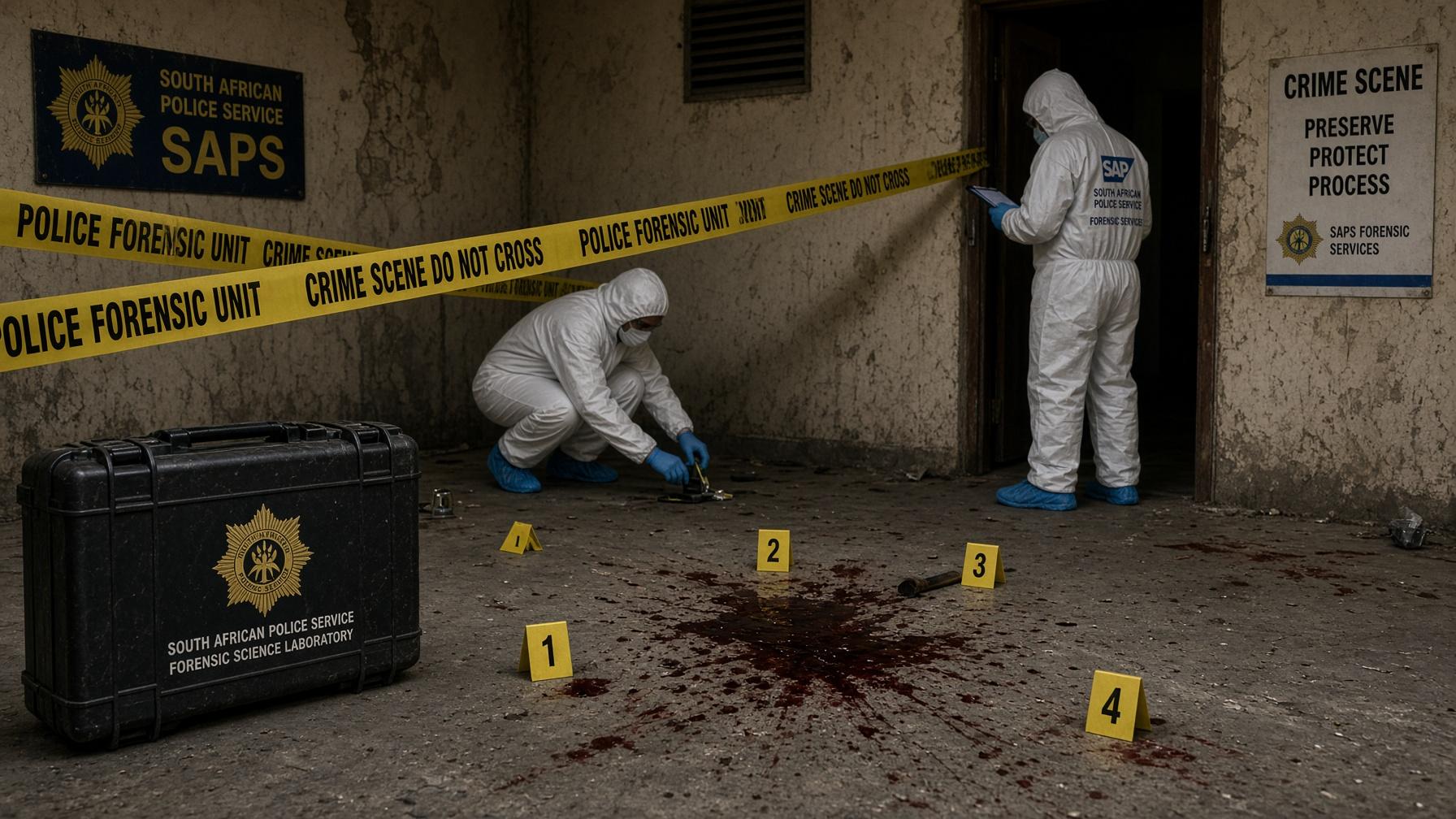
The resurgence of fighting in Kati, a garrison town just 15 kilometers from Bamako, serves as a grim reminder that Mali‘s security crisis is no longer confined to remote border areas. As clashes intensify near the seat of political power, public confidence in the government’s ability to protect its citizens erodes rapidly. Despite bolstered military training and logistical aid from Russian forces, the Malian army struggles to contain the threat, raising serious doubts about the effectiveness of its