Patrice Talon’s road legacy: over 2000 km of paved highways in benin
When discussing Patrice Talon’s legacy, one achievement stands out above all—infrastructure. Over the past decade, the Beninese leader has reshaped the nation’s landscape, turning dusty paths into smooth asphalt roads. Potholes and uneven surfaces have been replaced by modern thoroughfares, connecting cities, towns, and villages across the country. As his presidency nears its end, it’s impossible to overlook this monumental achievement. The expansion of Benin’s road network has become the defining hallmark of his administration.
From crumbling roads to smooth highways: a decade of transformation
In 2016, Patrice Talon inherited a nation where poorly maintained roads hindered progress. His administration quickly recognized that efficient transportation was the backbone of economic growth. Without reliable roads, commerce stagnates, healthcare becomes inaccessible, and education remains out of reach. Talon’s vision was clear: modernize Benin’s infrastructure to unlock its full potential.
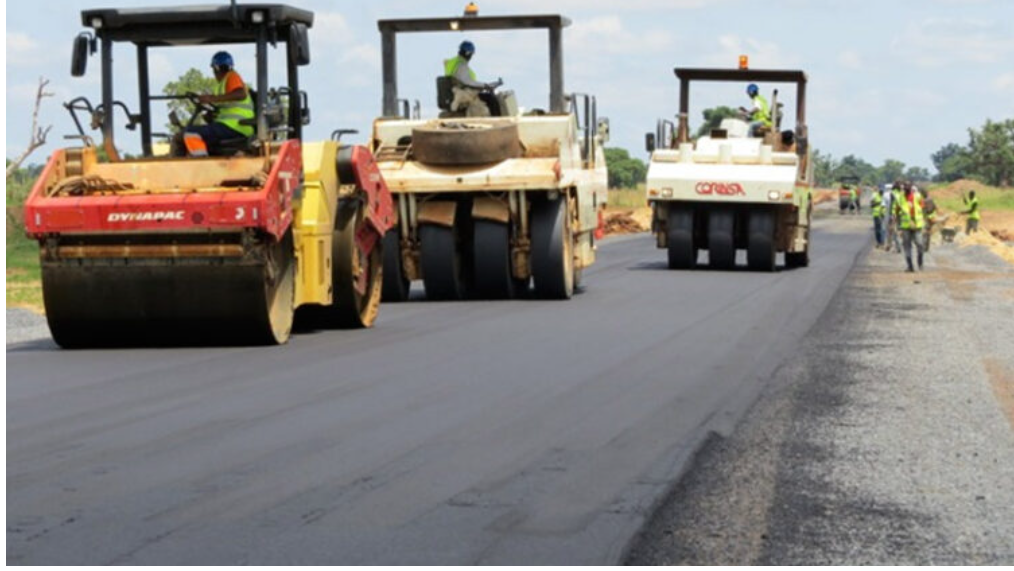
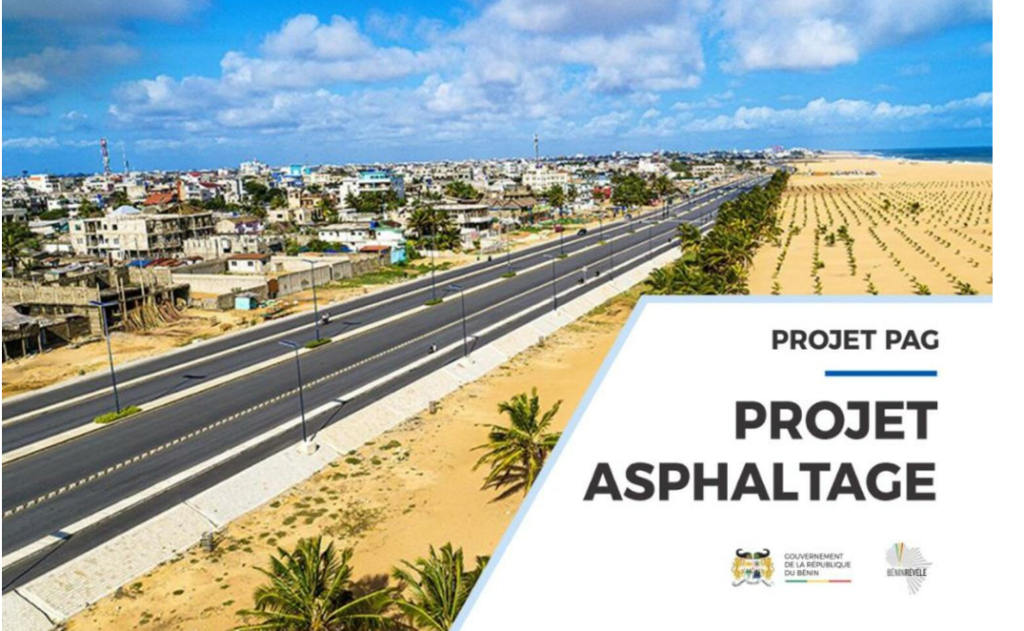
Today, the results are undeniable. Official records confirm that over 2,000 kilometers of roads have been paved—a feat no previous administration matched. And the work continues. Another 1,100 kilometers of new asphalt are under construction, promising even greater connectivity. For thousands of families, this means safer travel, faster access to essential services, and an end to the daily struggle against dust and debris.
Urban renewal through asphalt: cities reborn
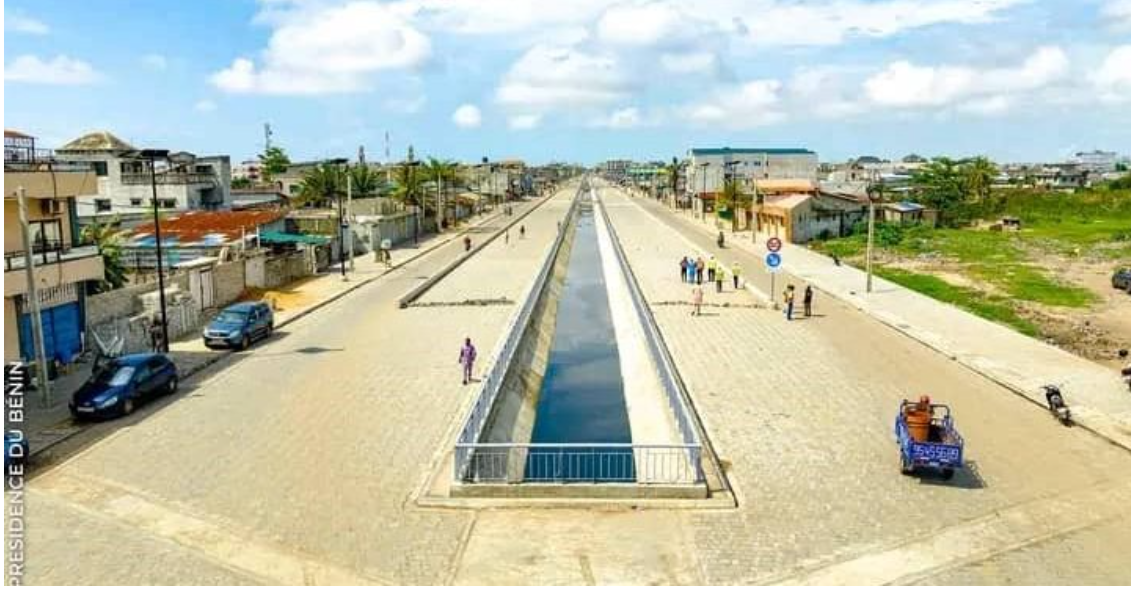
The Asphaltage program has been a game-changer for Benin’s urban centers. Cotonou, the economic hub, Porto-Novo, the political capital, and Parakou, the gateway to the north, have all undergone dramatic transformations. Neighborhoods once neglected now gleam with freshly laid roads, while markets, schools, and hospitals thrive in their newfound accessibility.
In Cotonou, the changes are most visible. Gone are the days of pothole-ridden streets that swallowed tires whole or turned into impassable mudslides during the rainy season. The city has been reborn—cleaner, safer, and more efficient. Children play in well-maintained squares, merchants set up stalls without fear of flooding, and emergency services respond faster than ever before. The asphalt has not just improved mobility; it has restored pride to Benin’s urban communities.
Cross-border connections: Benin as a regional hub
Patrice Talon’s infrastructure ambitions extended far beyond domestic needs. Key regional routes, such as the Cotonou-Niamey highway, have been fully rehabilitated, facilitating seamless trade between Benin and Niger. Another critical project, the Fishing Route, has seen massive upgrades, including modern bridges and expanded lanes to ease congestion.
These improvements have slashed travel times dramatically. What once took hours now requires minutes, transforming Benin into a vital link in West Africa’s economic network. Investors and traders now view the country as a strategic gateway, boosting local businesses and attracting foreign capital.
A cultural shift: roads as symbols of progress
The true impact of Talon’s road revolution goes beyond concrete and asphalt. It’s a shift in mindset. Beninese citizens no longer complain about the state of their roads; instead, they ask, “Which town will be paved next?” This newfound optimism is reshaping the nation’s identity. Communities take pride in their surroundings, tourists marvel at the clean streets, and foreign investors are drawn to a country that visibly prioritizes development.
Patrice Talon’s legacy is more than just a number—it’s a testament to perseverance. In a single decade, he has paved more kilometers than all his predecessors combined, unlocking remote villages, reviving local economies, and positioning Benin as a model of progress in Africa. The bitumen laid under his leadership is not just a surface; it’s a foundation for dignity, opportunity, and national pride.
His impact will endure, etched into the roads and the hearts of the people he served.