Mali’s shadow diplomacy: how opposition figures fill the state’s void
When private mediation overshadows government authority
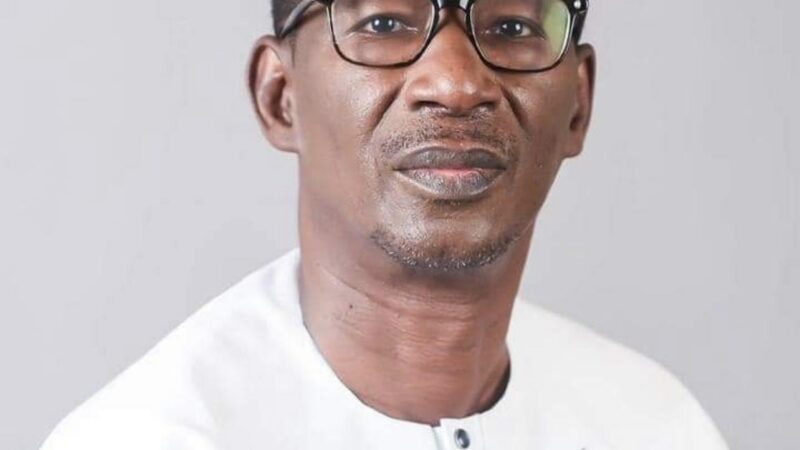
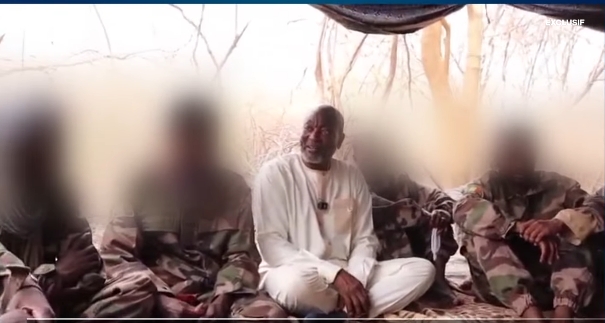
In a striking photograph that swept across Mali’s social media landscape, opposition leader Oumar Mariko—currently living in exile—appears alongside 17 recently freed hostages. The captives were released by the Group for the Support of Islam and Muslims (JNIM), an al-Qaeda affiliate operating in the Sahel. While the human toll of this ordeal is undeniably alleviated, the event has exposed a harsh truth: the Malian state’s inability to assert its sovereignty over its own territory.
The state’s absence: a troubling paradox
How is it that an exiled political figure, openly opposed to Bamako’s military leadership, can navigate and negotiate in areas where national security forces struggle to operate? This private mediation lays bare a critical erosion of state authority. In vast swathes of Mali, the power to move freely and engage in dialogue no longer rests with official institutions but with informal actors. Analysts warn this signals a state in retreat, surrendering its role to individual initiatives rather than upholding its constitutional duties.
“Sovereignty is not declared in speeches from Bamako; it is proven by the state’s ability to protect its people without intermediaries.”
The JNIM’s calculated public relations gambit
The terrorist group’s involvement in the hostage release is far from a charitable gesture. It is a deliberate political communication strategy designed to achieve two key objectives:
- Image rehabilitation: By participating in filmed negotiations and hostage transfers, the JNIM seeks to cultivate an image of itself as a rational, negotiating party—contrasting sharply with the government’s perceived ineffectiveness.
- Authority substitution: By assuming roles traditionally held by local officials—such as administering justice or protection—the group positions itself as the de facto governing power in rural areas, further undermining the credibility of the Malian republic.
The hidden dangers of covert negotiations
While families celebrate the return of their loved ones, the long-term implications of such informal resolutions are deeply concerning:
- Financial lifeline for terrorism: Although never officially acknowledged, ransom payments fuel future attacks against Malian armed forces (FAMa), sustaining the insurgency financially.
- Implicit legitimization: Requesting mercy from a terrorist leader tacitly validates their control over a region, emboldening armed groups and eroding public trust in state institutions.
Two faces of Mali: the urban narrative and the rural reality
Today, Mali exists in two parallel worlds:
- The institutional Mali: In Bamako, officials insist on military progress and a full territorial reconquest, framing the conflict as a winnable war.
- The grassroots Mali:
In rural communities, survival often depends on pragmatic coexistence with armed groups. With no state presence to provide security or governance, civilians turn to insurgents out of necessity, not choice.
Restoring authority: a political imperative
The Oumar Mariko episode is more than a humanitarian footnote—it is a wake-up call. When private actors and opposition figures take on roles reserved for the state, the risk of lasting fragmentation grows. For Bamako, the challenge is no longer merely military; it is existential. The government must reclaim its monopoly on force and dialogue—or risk ceding authority to those who wield guns instead of laws.