Sahel nations struggle to exit ecowas amid economic ties
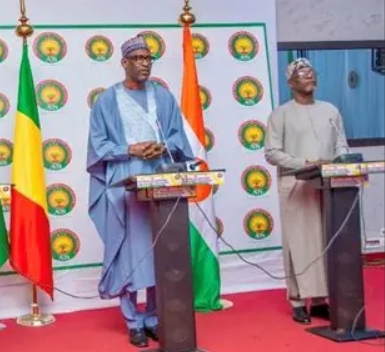
Recent declarations by the foreign ministers of Niger and Mali have stirred significant attention. On one hand, they level sharp accusations at neighboring West African states within the Economic Community of West African States (ECOWAS), alleging support for terrorist groups. On the other, they express willingness to engage in limited cooperation with the same nations. This contradictory stance reveals a deeper truth: severing ties with a regional bloc is not as simple as political rhetoric suggests.
Contradictions in Diplomacy: Accusations or Cooperation?
Niger and Mali have accused ECOWAS member states of harboring ties with armed terrorist factions. Yet, they simultaneously propose collaboration on select issues. Such inconsistency raises questions about their diplomatic credibility.
- Credibility in question: International relations thrive on consistency. If a nation publicly brands its neighbors as accomplices to violence against its citizens, proposing economic partnerships the following day undermines its position.
- Global perception: By oscillating between confrontation and cooperation, Sahel authorities risk appearing unreliable to the international community. Development negotiations cannot proceed with entities framed as national adversaries.
The Unbreakable Ties of Geography: Trade and Survival
The stated goal of exiting ECOWAS was to assert complete independence. However, geography imposes immutable realities that defy political posturing.
- Landlocked dilemma: Both Mali and Niger lack direct access to sea ports, making them critically dependent on coastal nations like Benin, Togo, and Ivory Coast for essential imports such as rice, sugar, medications, and construction materials.
- Economic ripple effects: Without cooperation from these neighbors, transportation costs would skyrocket, forcing prices upward and placing unbearable strain on already struggling populations. The ministers’ willingness to cooperate subtly acknowledges that the Alliance of Sahel States (AES) cannot operate in isolation.
The Illusion of Leaving Without Losing Benefits
Withdrawing from ECOWAS was a bold political statement aimed at appeasing domestic sentiment. Yet, the desire to retain technical advantages of the bloc while rejecting its rules reflects a fundamental misunderstanding of regional alliances.
- Political rupture vs. practical necessity: The Sahel states seek to distance themselves from the existing order but remain reliant on uninterrupted trade flows and financial systems.
- Broken trust: It is impossible to exit an organization, publicly denounce its members, and still expect free access to shared resources. Cooperation hinges on mutual trust; breaking the political contract jeopardizes the legal protections of local businesses and investors.
From Rhetoric to Real Solutions: Security and Stability
Anger may resonate in the short term, but it does not constitute foreign policy. Venting frustration at neighbors does little to address hunger or insecurity.
- Transnational threats: Terrorism ignores borders and disregards membership in ECOWAS. Combating it demands genuine coordination among regional intelligence agencies and military forces. Dividing neighboring countries only benefits extremists who exploit such divisions.
- Shared responsibility: True security cannot be achieved in isolation. The Sahel nations’ anti-terrorism efforts will remain constrained without collaborative frameworks that ECOWAS once provided.
Sovereignty Beyond Slogans
Niger and Mali are learning that full withdrawal from ECOWAS poses immense economic challenges. Genuine sovereignty extends beyond symbolic independence—it encompasses a state’s ability to feed its people, heal its sick, and protect its cities. Good neighborliness is not optional; it is essential for survival. Prioritizing propaganda over practical realities only deepens the hardships faced by ordinary citizens.