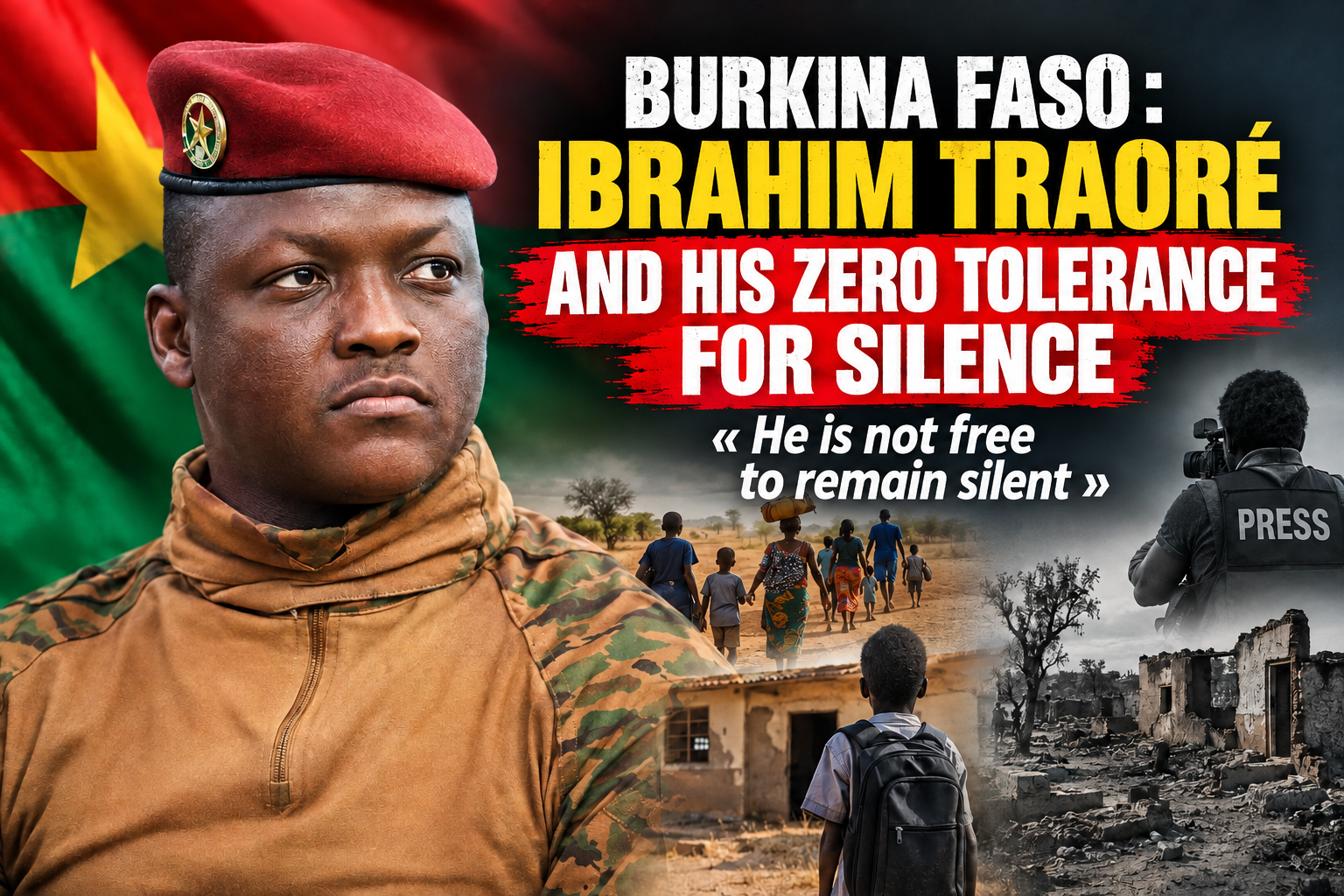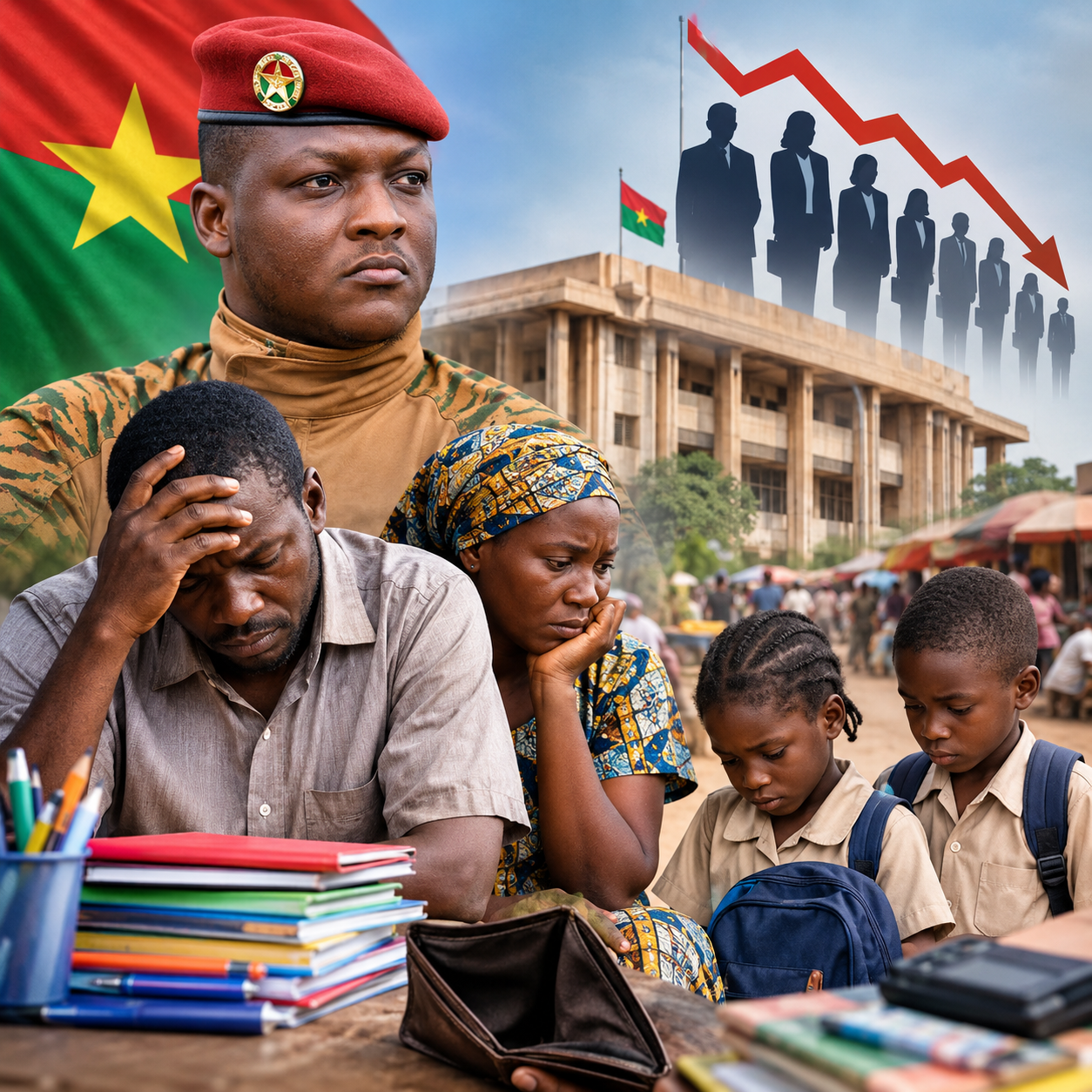
In Burkina Faso, the military-led government under Captain Ibrahim Traoré continues to tout national self-sufficiency, yet the nation remains critically dependent on external rice donations from Pakistan, China, and Canada to avert a worsening food crisis—one that military strategies have failed to address.
The stark reality behind humanitarian aid in Burkina Faso
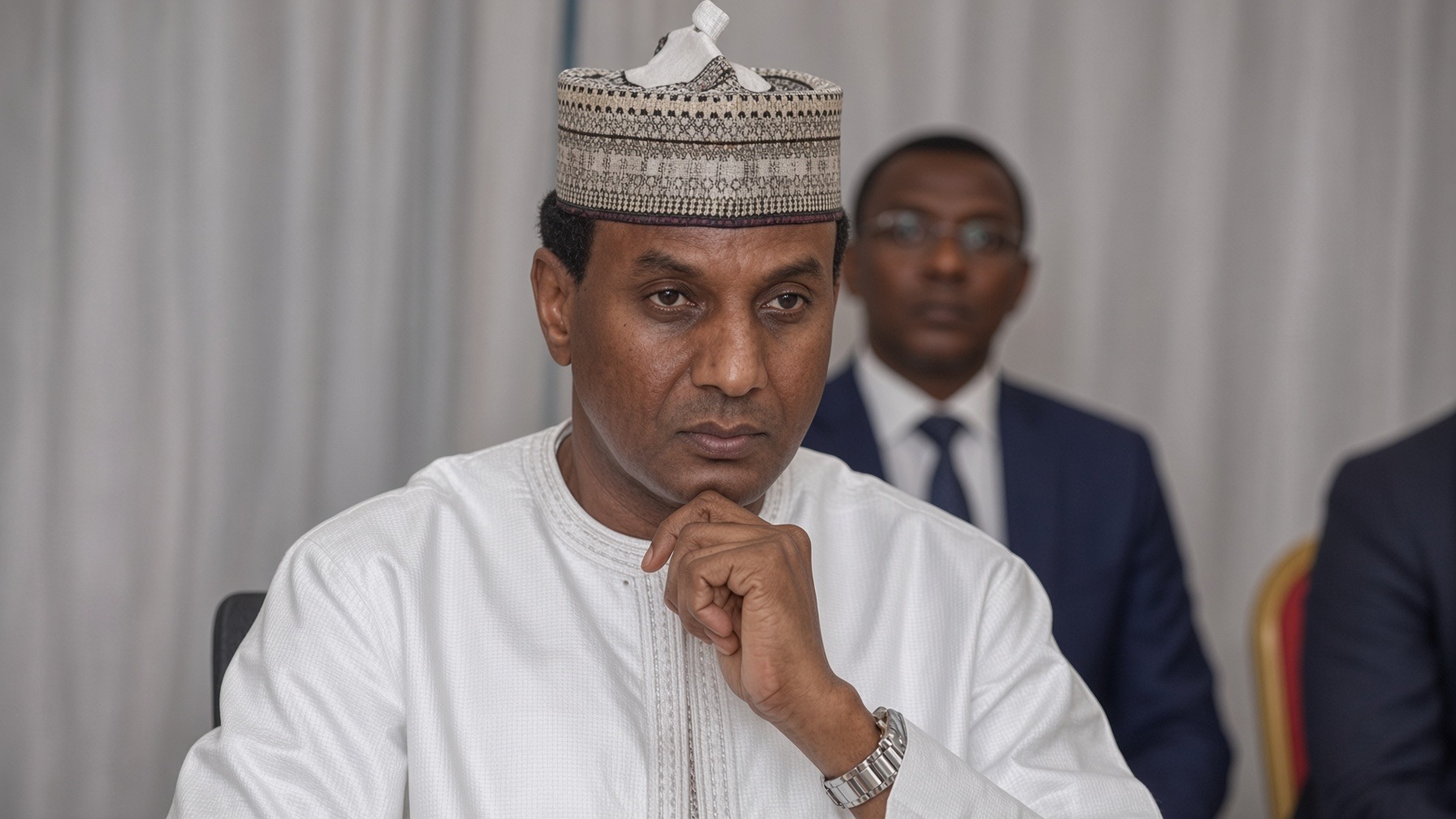
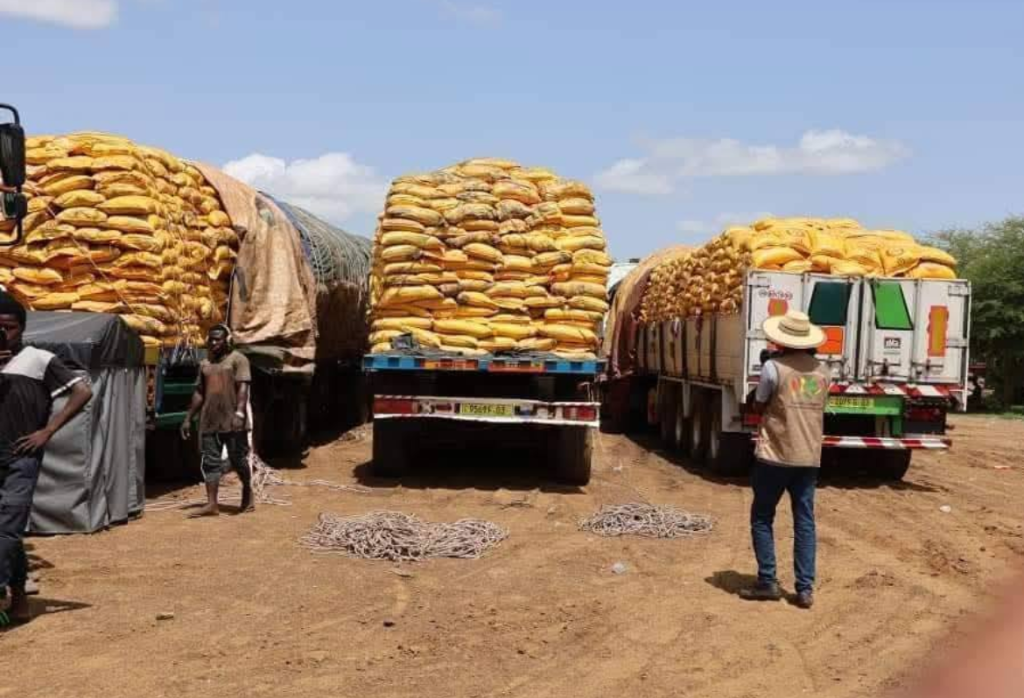
The arrival of 2,422 tons of rice from Pakistan highlights a glaring contradiction. While government officials celebrate these gestures of international solidarity, the delivery underscores the deepening failure of Burkina Faso’s transitional authorities to stabilize food security, three years after the Patriotic Movement for Safeguard and Restoration (MPSR) seized power.
Despite bold declarations of “regained sovereignty,” over 3.5 million Burkinabè now rely on foreign aid just to put food on the table each day.
From rhetoric to reality: the gap between promises and production
This latest shipment from Islamabad joins a growing list of humanitarian contributions from Beijing and Ottawa. While the junta frames these as expressions of global solidarity, each shipment serves as a silent indictment of Ibrahim Traoré’s leadership—once hailed as a champion of local production and agricultural revival.
The facts speak for themselves:
- The nation’s agricultural output has plummeted, leaving communities trapped in a cycle of dependency on imports and foreign assistance.
- The donated rice is being distributed in the North and East—regions still ravaged by insurgency and cut off from normal trade routes, far from being “liberated” or stable.
Insurgency and instability: the real drivers of hunger
While officials blame climate change, analysts increasingly point to the junta’s own policies as a major cause of the crisis. A heavy-handed military approach—combined with blockades imposed by armed groups—has crippled farming communities. Over 2 million people have been displaced, turning once-fertile farmlands into abandoned wastelands.
According to the Integrated Food Security Phase Classification (IPC), parts of the country are teetering on Phase 4—classified as a humanitarian emergency. The situation is even more dire for children: over 600,000 are at risk of acute malnutrition by year’s end.
Aid management under scrutiny: transparency and trust in question
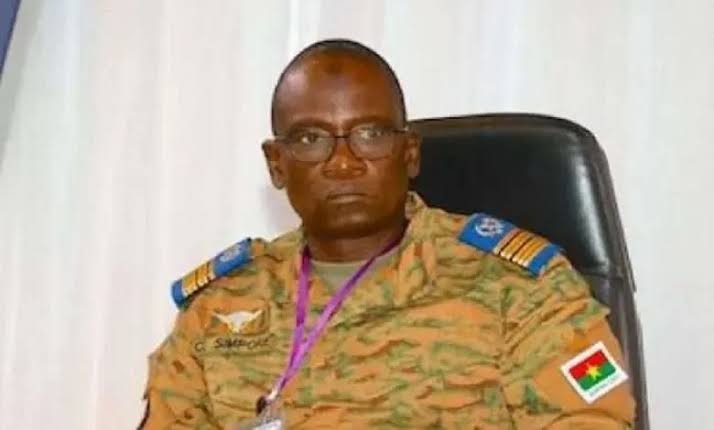
Another red flag emerges around aid distribution. The Pakistani rice shipment was handed over to the Ministry of Humanitarian Action, but international partners are raising concerns about transparency and equitable access. The militarization of crisis response, coupled with strained relations with humanitarian agencies, has eroded donor confidence. Only 18% of the 2026 Humanitarian Response Plan has been funded—a clear sign of growing skepticism toward Ouagadougou’s leadership.
As the rainy season approaches, the Pakistani rice offers only temporary relief to a population pushed to the brink. For Ibrahim Traoré, accountability looms large: true sovereignty isn’t proclaimed on national TV—it’s built in fields that his government has yet to secure. A sustainable solution remains out of reach as long as rhetoric of war takes precedence over revitalizing a shattered rural economy.