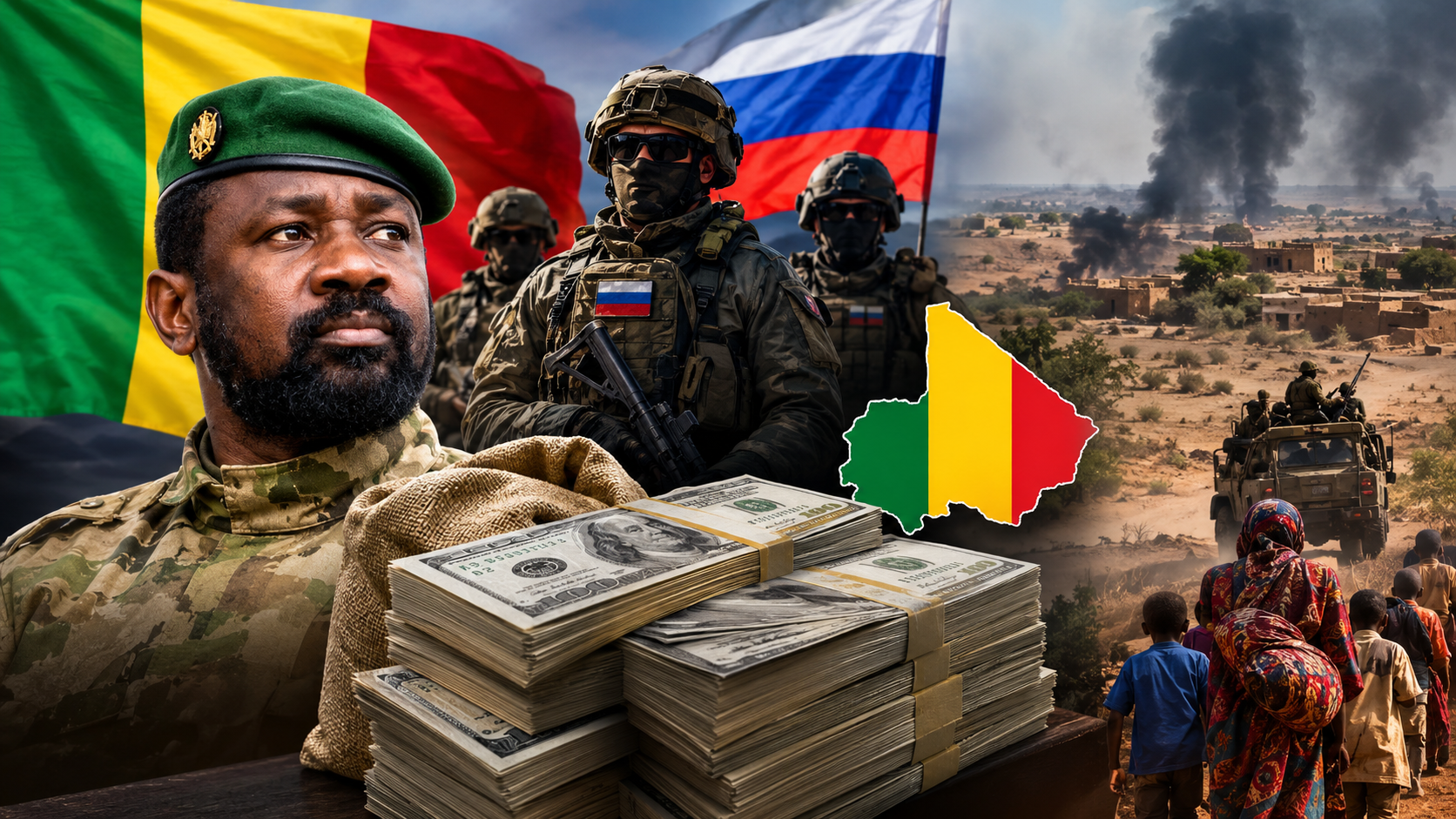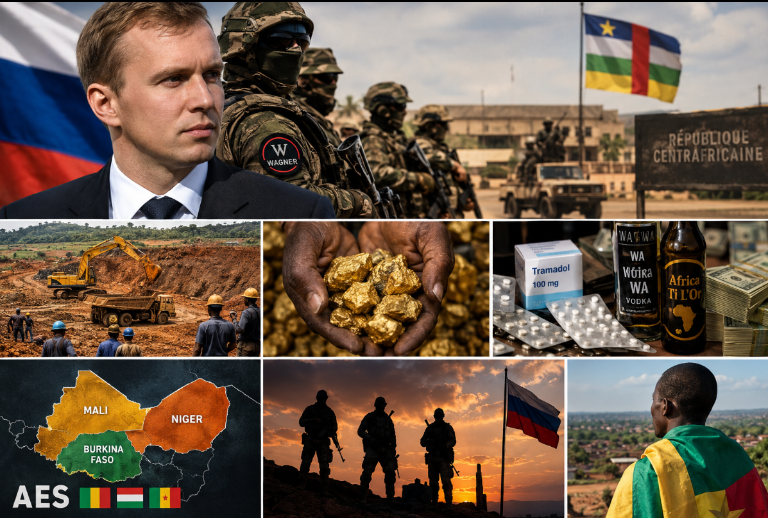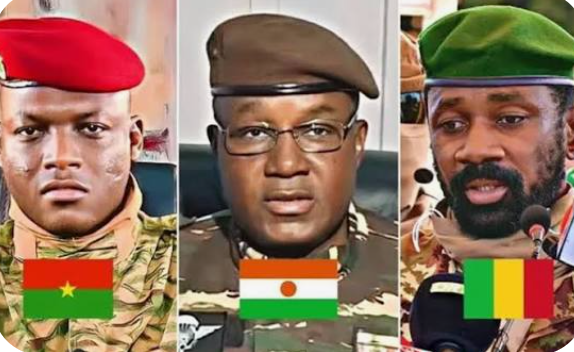
Tensions are escalating within the Alliance of Sahel States (AES), a coalition formed by Mali, Burkina Faso, and Niger to counter external threats. A confidential intelligence report from Burkina Faso now casts doubt on the alliance’s unity, alleging deep-rooted Russian influence over Mali’s decision-making processes.
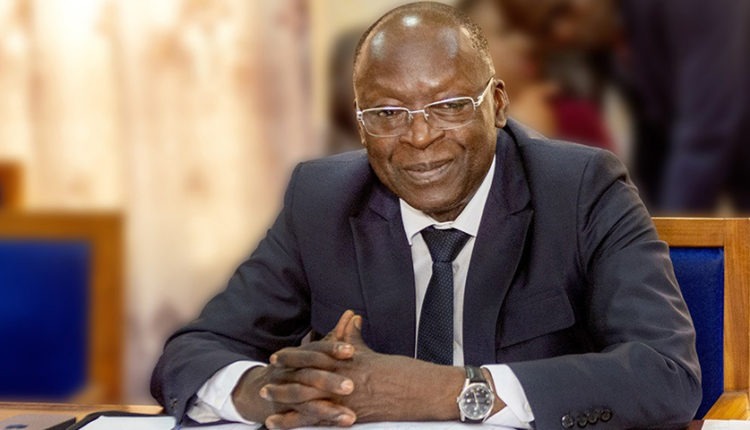
According to the document, Moscow’s reach extends far beyond mere military advisors. Key Mali officials—including presidential advisors, military leaders, diplomats, and media figures—are reportedly operating under Russian directives. Names like Yamoussa Camara, a close aide to President Assimi Goïta, Modibo Maïga (former diplomat), and Harouna Haidara (high-ranking military) appear in the report, suggesting a coordinated effort to embed Russian interests within Mali’s institutions.
a web of influence in mali’s government
The report paints a troubling picture: a shadow network, allegedly backed by Moscow, weaving through Mali’s administration, security apparatus, and media landscape. For Burkina Faso, this infiltration poses a direct threat—not just to Mali’s sovereignty, but to the entire AES’s strategic cohesion. If Bamako’s policies are shaped by external actors, the alliance’s shared goals of regional stability and self-determination could collapse.
from western dependence to russian control?
The AES was founded on the principle of regional sovereignty, rejecting former ties with Western powers. Yet, analysts warn that Mali’s pivot toward Russia may have merely replaced one dependency with another. Neighbors like Niger and Burkina Faso now express concerns that Bamako’s military and political choices serve Moscow’s geopolitical agenda rather than Sahel-wide interests.
This skepticism is fueling mistrust. The Nigerien government, in particular, views Mali’s growing alignment with Russian actors as a destabilizing factor. The fear? That decisions made in Bamako could undermine the alliance’s collective security framework, leaving the Sahel more vulnerable to external manipulation.
can the sahel alliance survive its internal fractures?
The leaked intelligence report has forced Burkina Faso to reconsider its partnership with Mali. Officials in Ouagadougou now question whether the AES can function if one member state’s sovereignty is compromised by foreign interference. The broader concern: If Mali cannot regain control of its national decisions, the alliance risks unraveling from within—defeated not by insurgents, but by the very influence it sought to escape.
For observers, the stakes are clear. The AES’s survival hinges on Mali’s ability to assert its autonomy. Otherwise, what began as a bold move toward regional independence could crumble under the weight of external control.