US reshapes Sahel influence with Morocco as key partner
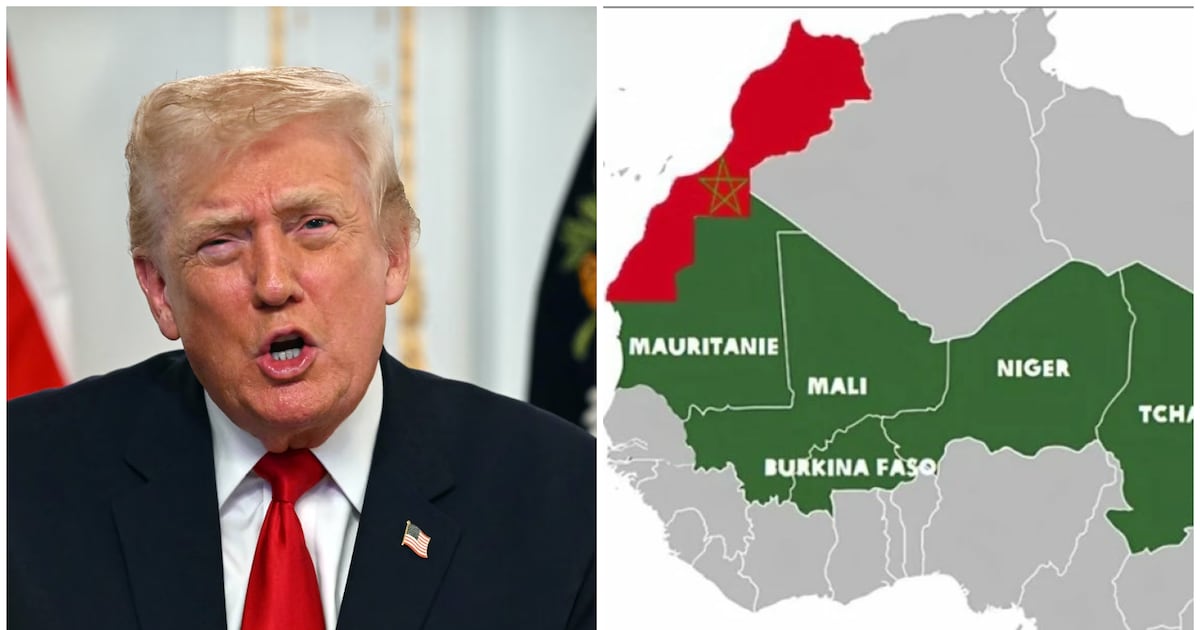
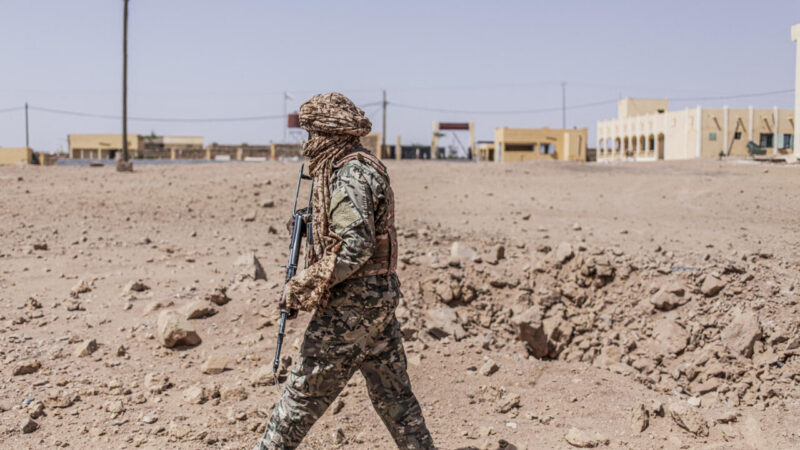
The geopolitical landscape of the Sahel is quietly shifting. While European military presence has dwindled in Mali, Burkina Faso and Niger, and Russian influence has grown through quasi-state structures, the United States appears to be stepping up its engagement in the region. Emmanuel Dupuy, president of the Institute for Prospective and Security in Europe (IPSE), offers a nuanced perspective on this apparent resurgence.
According to Dupuy, Washington’s strategy in the Sahel isn’t about a dramatic comeback but rather a calculated repositioning. «It’s not a return to dominance, but confirmation that the US never fully left and waited for the erosion of other influences to reposition itself strategically,» he explains.
The American approach aligns with a long-standing tradition of pragmatic diplomacy. «Americans prioritize practical outcomes over ideological alignment,» Dupuy notes. In this transactional framework, security and economic interests often outweigh political considerations. He adds, «They don’t view Russia as an adversary but recognize a degree of complementary interests, especially where European influence has waned.»
The current situation presents several opportunities for the US to expand its footprint. Dupuy highlights two key factors: the declining credibility of the UN in the region and Russia’s limited effectiveness in combating armed groups. These gaps create indirect openings for Washington to reinforce its presence without direct confrontation.
Dialogue over confrontation: America’s evolving Sahel strategy
The United States has adopted a pragmatic approach to engaging with Sahelian governments, regardless of how they came to power. Dupuy draws parallels: «The US maintains structured dialogue with Malian authorities today, just as it did with Afghan leaders before negotiating with the Taliban.» This willingness to engage with military-led regimes sets American strategy apart from European approaches, which have often refused to recognize such governments.
This acceptance of political realities reflects a broader trend in US foreign policy—prioritizing stability over ideological purity. The strategy extends beyond bilateral agreements, incorporating convergences with other regional actors. Dupuy points to Turkey as a key partner, while noting China’s relatively limited role in Sahelian security sectors as an additional opportunity for Washington.
Economically, the US is leveraging the African Growth and Opportunity Act (AGOA), a trade program benefiting 30 African countries with tariff exemptions on US markets. This initiative complements the security-focused aspects of American policy, reinforcing long-term economic ties.
Private military firms and indirect influence
A critical component of US strategy involves indirect engagement through private actors. Dupuy explains: «The coexistence of American and Russian interests works because neither sends regular troops—private military companies and security firms handle operations on the ground.» This model, he argues, allows for cooperation even in contested spaces.
He cites the Democratic Republic of Congo (DRC) as an example, where US facilitation of agreements between Rwanda and Kinshasa involved private contractors rather than official military deployments. This underlines the US preference for deniable, cost-effective security arrangements.
The Libyan precedent further illustrates this indirect cohabitation. «American private military firms supported Haftar’s forces in close proximity to Russian Wagner and Africa Corps units, yet managed to maintain a tacit operational understanding,» Dupuy observes. Similarly, in Sudan, the US appears poised to mediate between rival generals using private security contractors rather than direct military intervention.
Morocco’s rising role in US Sahel strategy
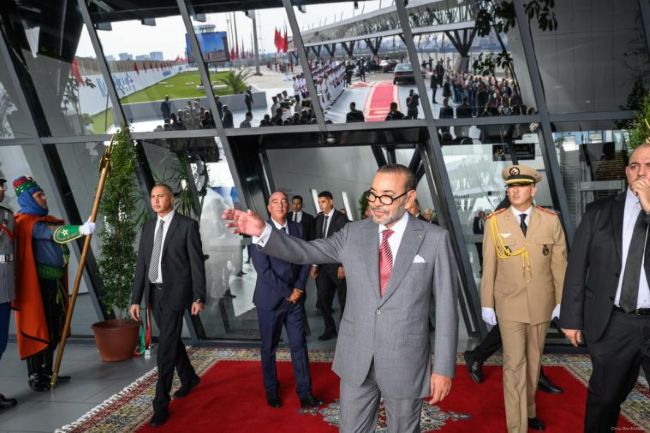
Within this shifting dynamic, Morocco has emerged as a critical partner for Washington. The bilateral relationship has deepened across military, economic and diplomatic spheres, positioning Rabat as an ideal intermediary for US engagement in the Sahel.
Dupuy highlights Morocco’s unique position: «The US cannot intervene directly in the Sahel, but it can leverage Morocco’s strong regional image to engage with governments formed after military coups in Mali, Niger and Burkina Faso.» This diplomatic flexibility gives Rabat a strategic advantage over Algeria, whose influence in the Sahel has weakened due to strained relations with Bamako.
The Moroccan monarchy’s long-term vision includes infrastructure projects like the Burkina Faso-Niger-Mali-Mauritania corridor, connecting Sahelian states to Atlantic ports via Morocco. While these developments may take a decade or more to materialize, Dupuy notes that Rabat already offers «economic prospects for regional integration that few other actors can provide today.»
Cultural diplomacy also plays a key role. Since 2015, the Mohammed VI Institute for the Training of Imams has trained religious leaders from across the Sahel, promoting a moderate, Maliki-Sufi Islamic framework. Dupuy describes this as «a highly effective soft-power tool for influence and stabilization.»
Algeria’s shrinking influence and the Western Sahara equation
Algeria’s strategic options in the Sahel appear increasingly constrained. Dupuy dismisses the notion of significant Algerian leverage, stating, «Honestly, I don’t see what cards Algeria still holds.» He argues that Algeria’s diplomatic maneuvers, particularly regarding Western Sahara, are largely ineffective in altering the balance of power.
The US has repeatedly reaffirmed its support for Morocco’s Autonomy Plan for Western Sahara, shifting discussions from ideological debates to practical implementation. Dupuy describes the 2022 Madrid talks as a turning point, where the focus moved toward local governance, economic development, maritime zones and agricultural production—areas where Morocco holds a comparative advantage.
The broader US-Morocco relationship extends beyond the Sahel, rooted in a 2016 designation of Morocco as a Major Non-NATO Ally. This status reflects Washington’s recognition of Rabat’s role in a triangular partnership uniting the Atlantic, Mediterranean and African regions. Dupuy emphasizes Morocco’s consistent commitment to Euro-Mediterranean integration since the 1995 Barcelona Declaration, reinforcing its credibility as a stable and dependable partner.
For the Sahel, this evolving partnership offers a path toward financial support, infrastructure development and diplomatic recognition. As Dupuy summarizes, «A realignment of interests is underway—one where the US gains strategic depth through Morocco, while Sahelian states find a gateway to funding, trade routes and geopolitical legitimacy.»