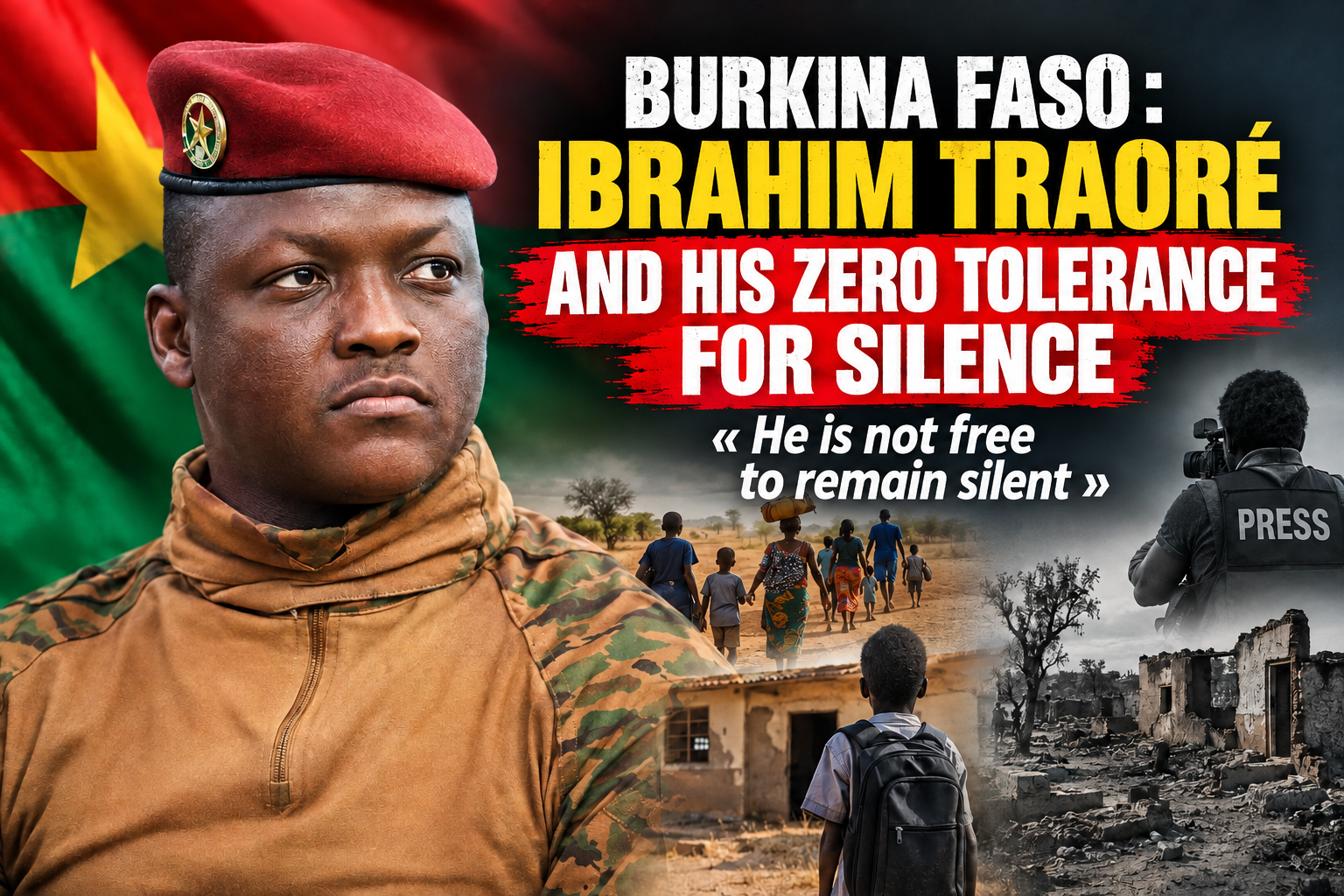
Recent diplomatic maneuvers suggest a nuanced shift in how the West interacts with the Sahel. On February 25, the American State Department formalised a significant five-year bilateral agreement with Burkina Faso. Valued at 147 million dollars, this financial commitment is specifically designed to bolster health initiatives and the fight against HIV/AIDS in the country.
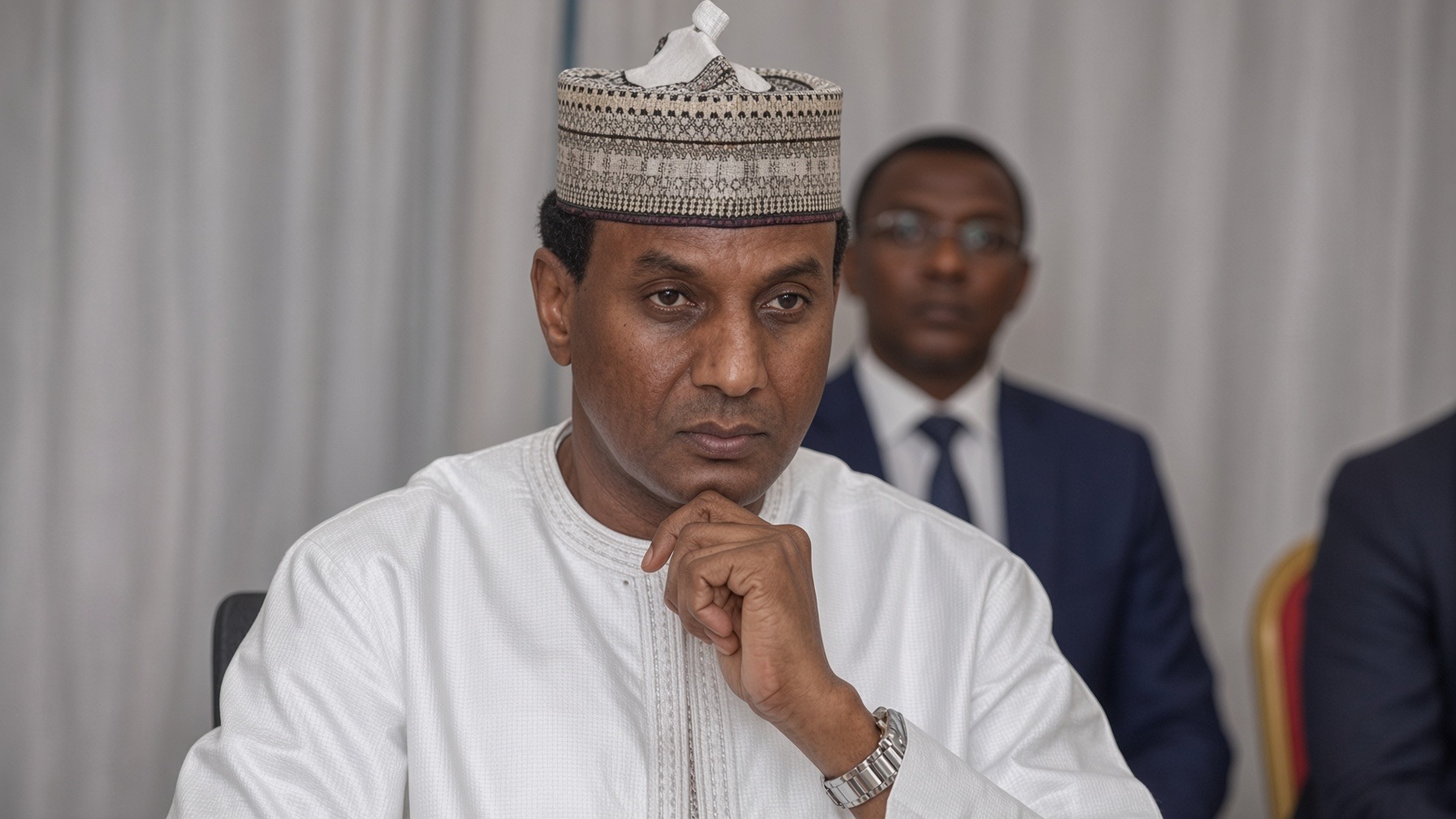
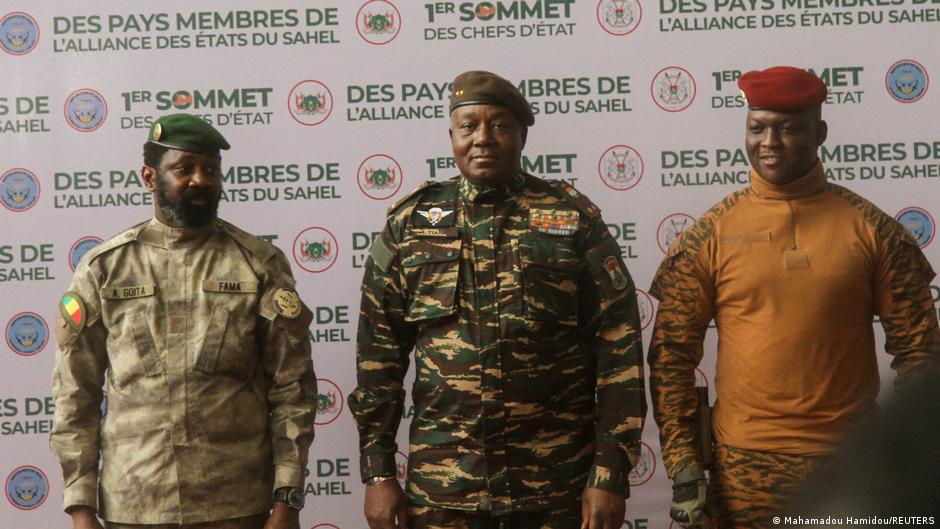
This move follows a recent gesture of “respect” for the sovereignty of Niger expressed by Washington during a telephone exchange with the transitional Prime Minister, Ali Mahamane Zeine. Simultaneously, the Union européenne (UE) has maintained its presence, with special representative Joao Cravinho visiting Bamako despite the current diplomatic friction with the Mali authorities. Are we witnessing a genuine rapprochement between Western powers and the military governments of the AES?
Expert analysis: a flicker of change
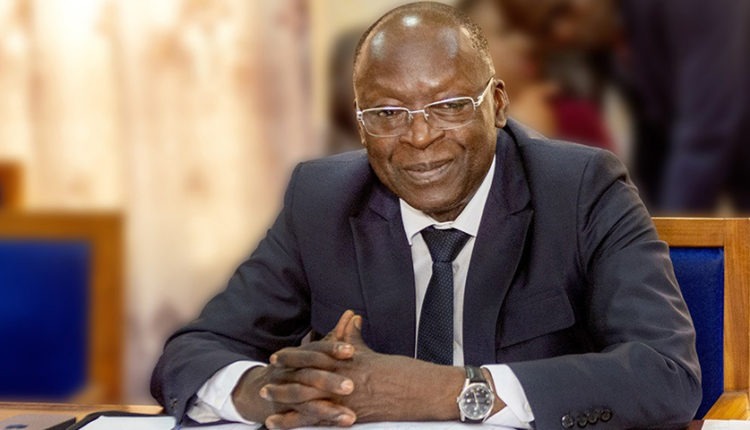
Francis Kpatindé, a specialist in West African politics and lecturer at Sciences-Po Paris, advises caution. While there is a visible “flicker” of activity, he notes that it does not yet constitute a full diplomatic thaw. Relations between major Western powers and the Sahel remain delicate, often restricted to specific humanitarian or economic sectors.
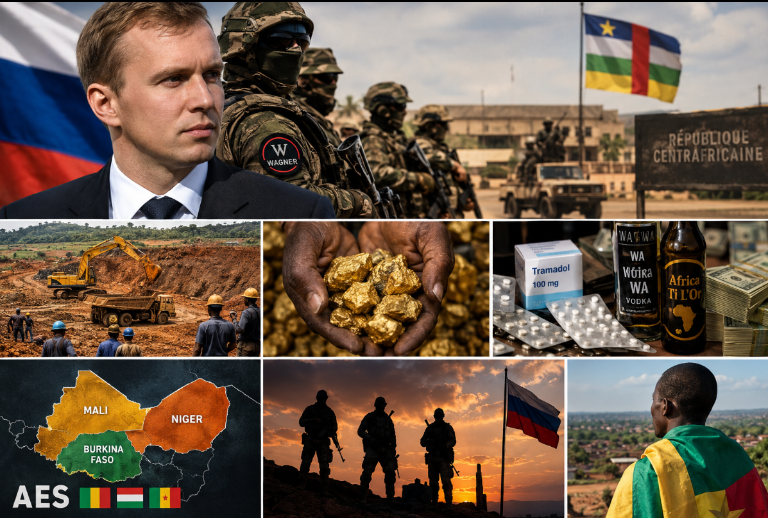
Western nations are offering targeted cooperation in health and security. Military training remains a key component in the collective fight against terrorism, as Washington and Brussels recognize that instability in the Sahel could eventually impact their own security. Furthermore, economic interests in natural resources are a major factor; Niger is a key source of uranium, while Burkina Faso and Mali hold vast gold reserves.
The shift toward bilateralism
The UE appears to be transitioning from a broad regional strategy to a tailored, country-by-country approach. This allows nations like Allemagne to maintain productive relationships even as others face challenges. Since Mali, Niger, and Burkina Faso have largely rejected the influence of France, their former colonial power, the bilateral approach offers new avenues for dialogue.
By leveraging the presence of countries like Allemagne or Hongrie, the West can keep diplomatic windows open. These bridges may eventually allow Paris to maintain a minimal level of contact with the Sahel through its European partners, ensuring that communication channels remain active despite the current political climate.