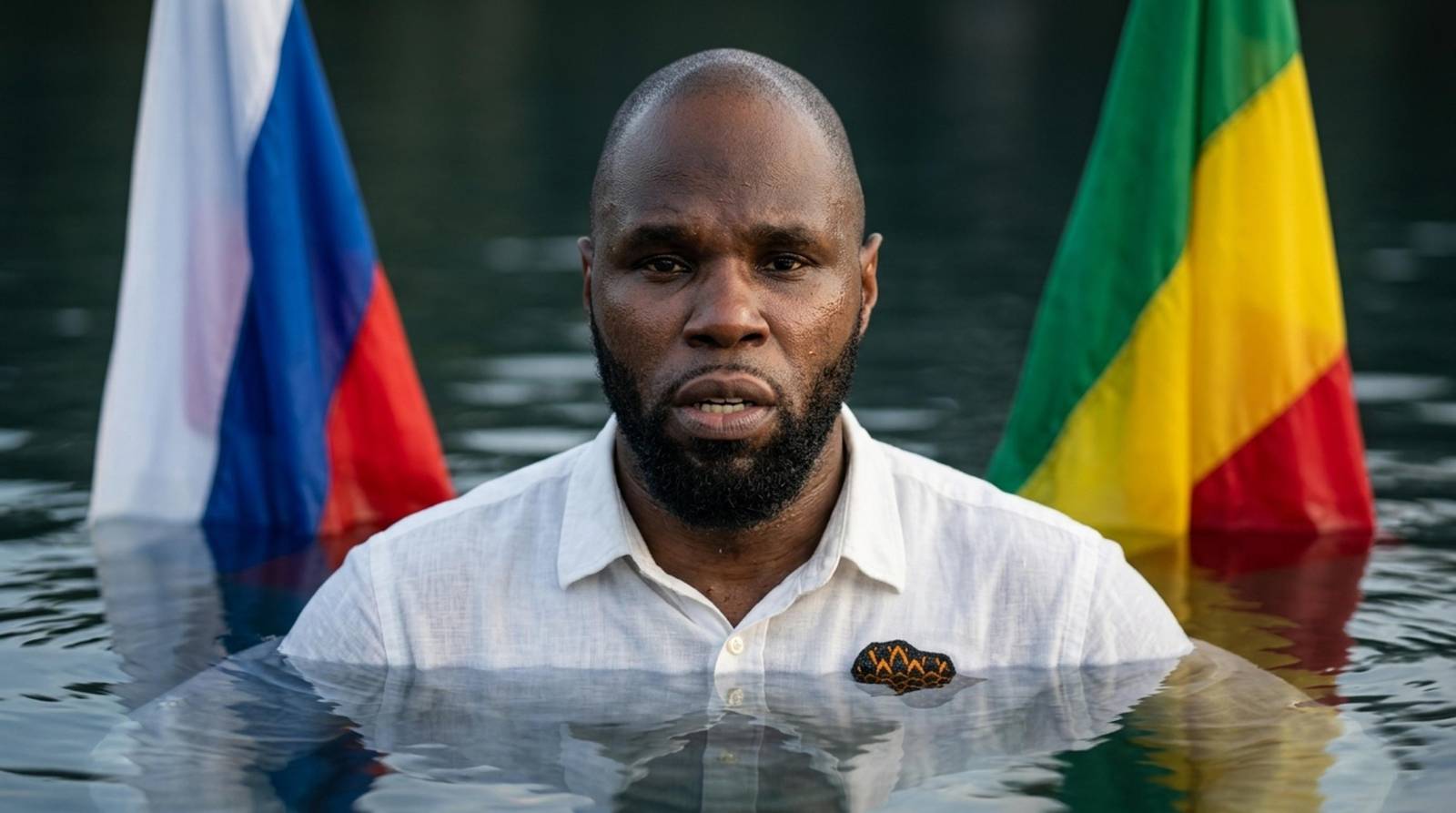
The situation in the Sahel is reaching a critical juncture, with harsh realities now overshadowing once-bold strategies. In Mali, escalating violence has exposed the fragility of panafricanist ideologues’ narratives, forcing a reckoning with the limitations of foreign partnerships.
Mali’s security crisis: where military might meets strategic shortcomings
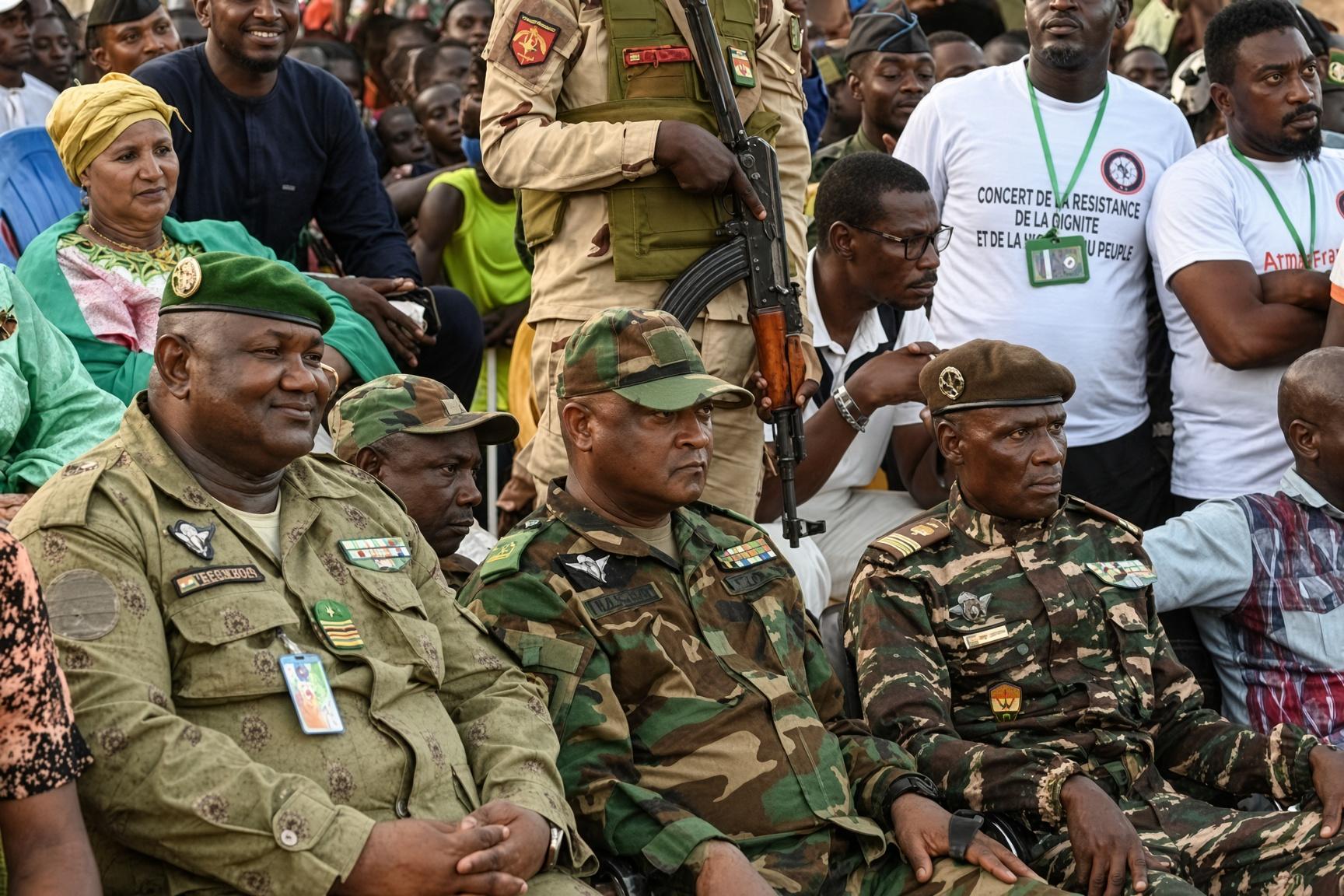
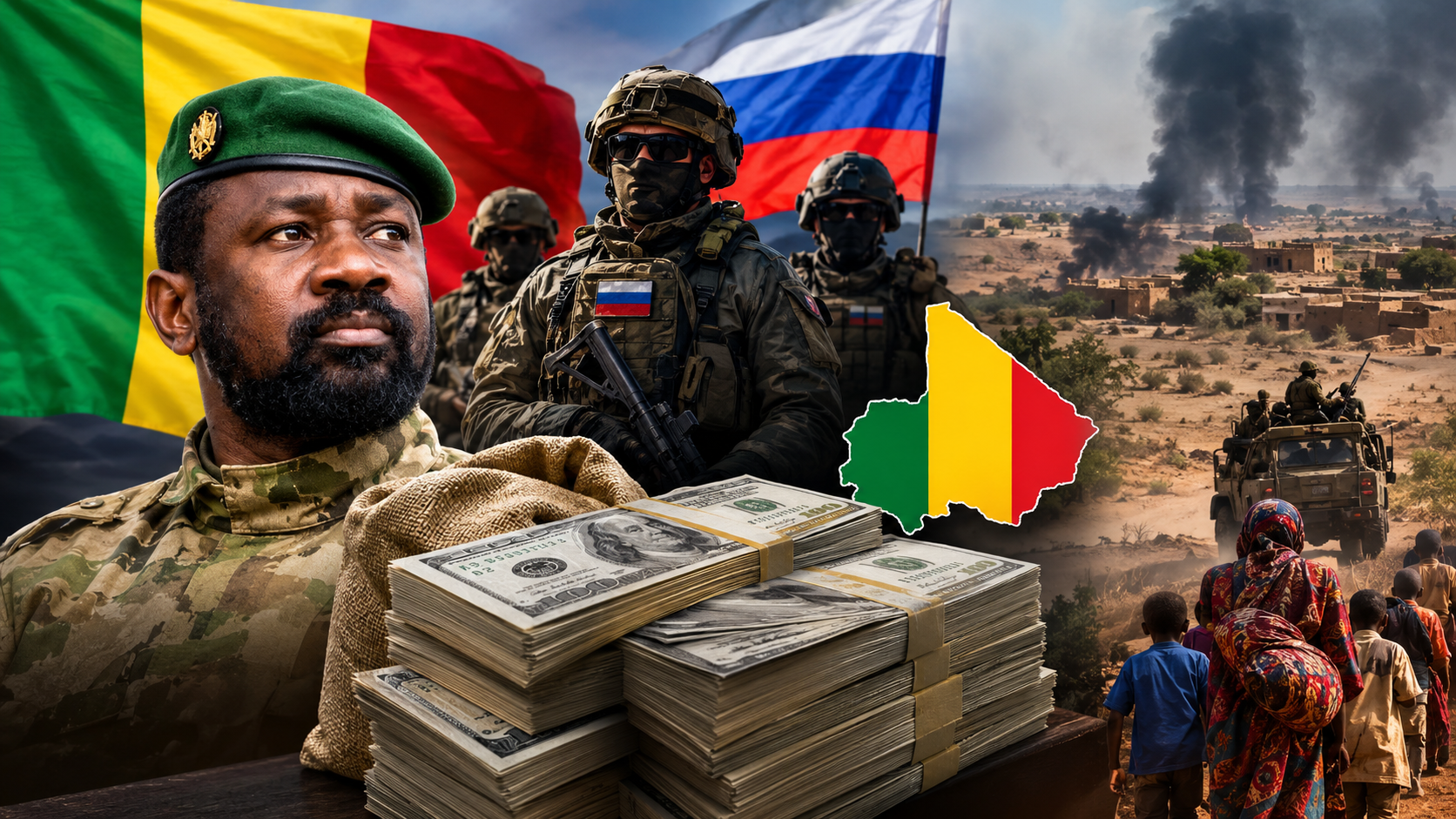
The recent coordinated assaults on sites in Kati and Kidal have sent shockwaves through regional security discussions. Despite the African Corps’ overwhelming presence, the audacity of armed groups highlighted a glaring truth: Moscow’s promised shield is far from impenetrable. This bold strike in key territories underscores the growing inefficacy of a security approach that was once marketed as foolproof but now appears to be running on empty.
From ally to critic: the evolving stance of Kemi Seba
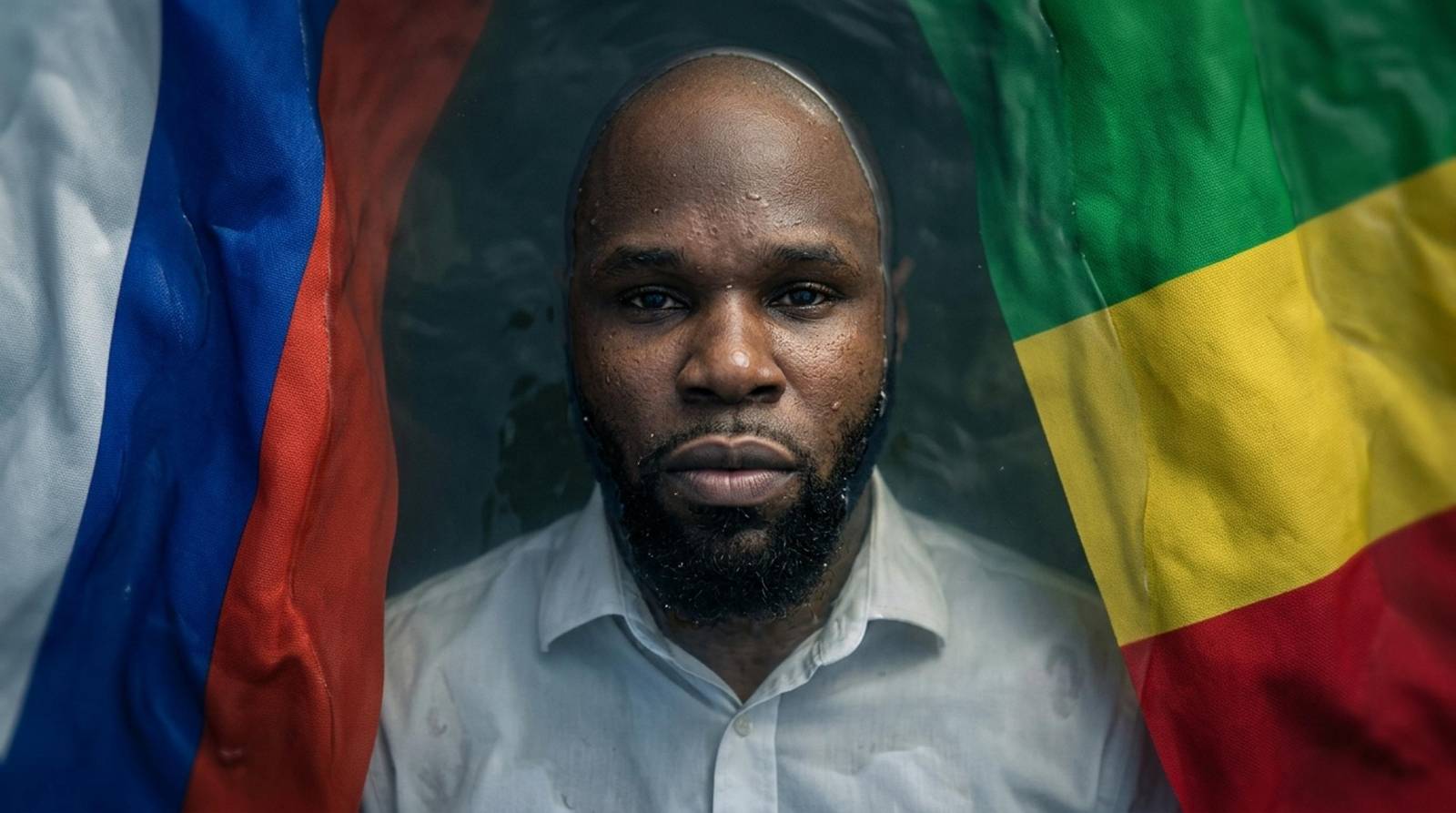 Kemi Seba, once a vocal advocate for Russian influence in West Africa, has significantly shifted his tone. His sharp criticism of Moscow’s involvement—now labeled as purely transactional—reflects a deeper disillusionment rather than a sudden epiphany. The roots of this change trace back to his forced relocation to South Africa after legal troubles, which marked a turning point in his rhetoric. Today, Seba’s denunciation of Russia’s focus on mineral extraction over regional stability serves as a stark acknowledgment of a partnership that has long been out of sync with his vision.
Forced exile and the unraveling of narratives
Seba’s arrest and subsequent political asylum in South Africa stripped him of his platform in the Sahel, reshaping his perspective. His evolving stance mirrors a broader skepticism toward external alliances that prioritize resource extraction over the needs of local populations. What was once a partnership built on shared ideals now appears to be a transactional arrangement, leaving Seba—and many others—to question the true motives behind foreign interventions.
West African alliances in flux: Burkina Faso and Niger reassess options
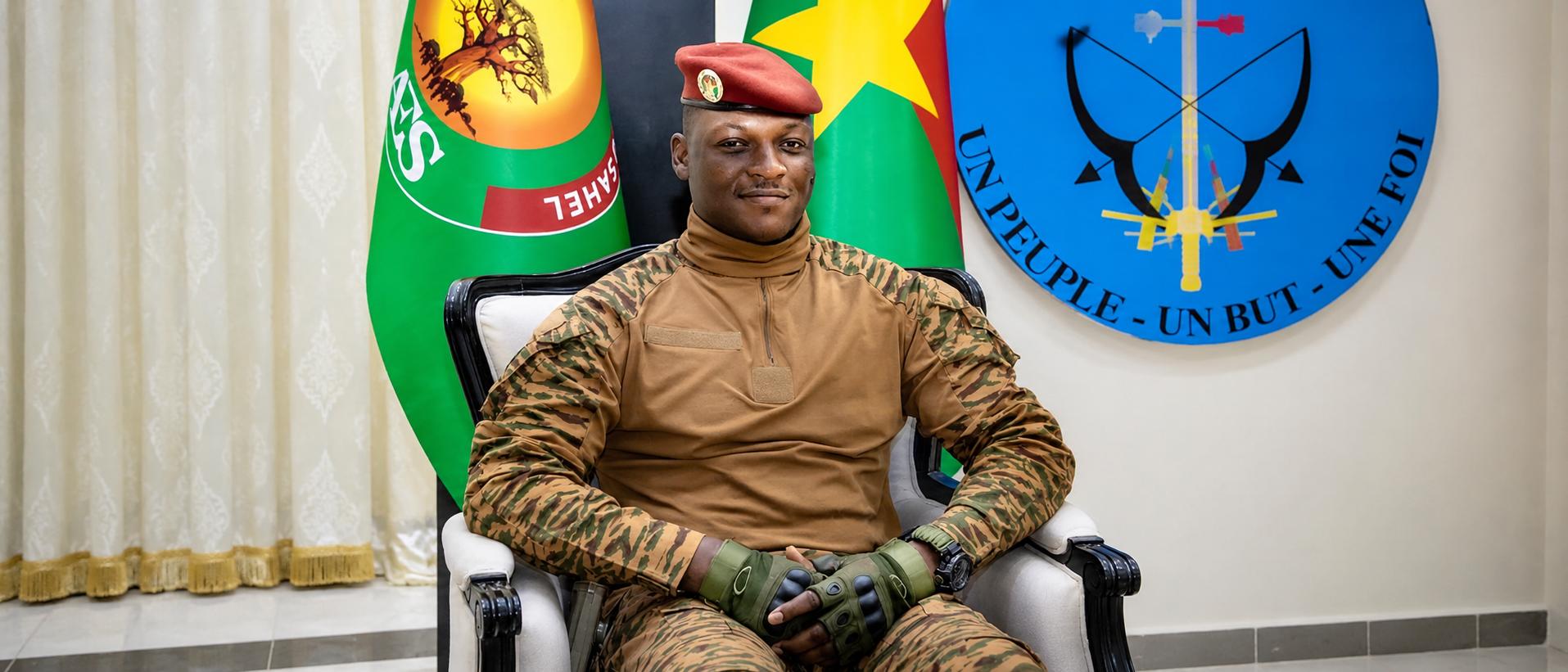
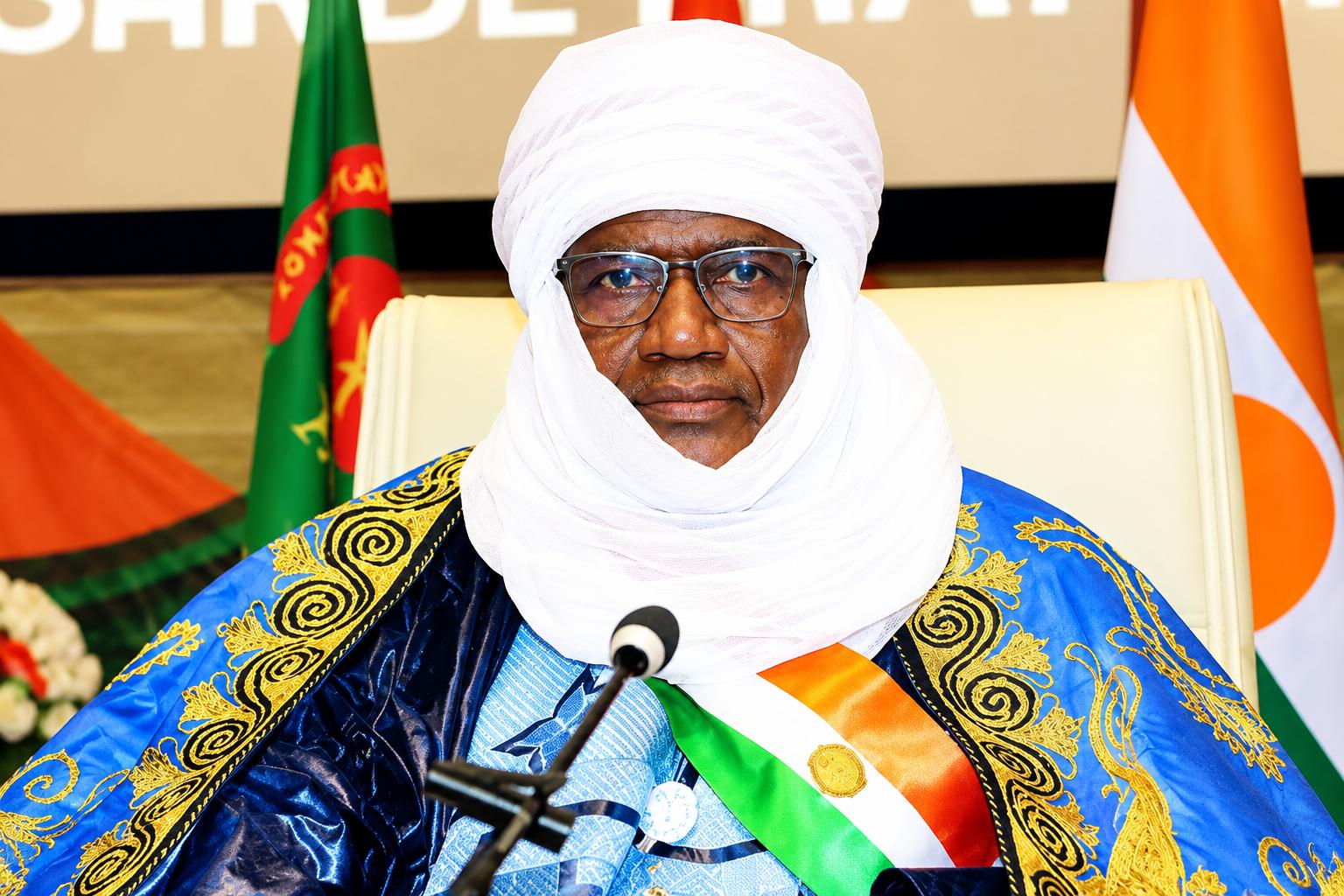
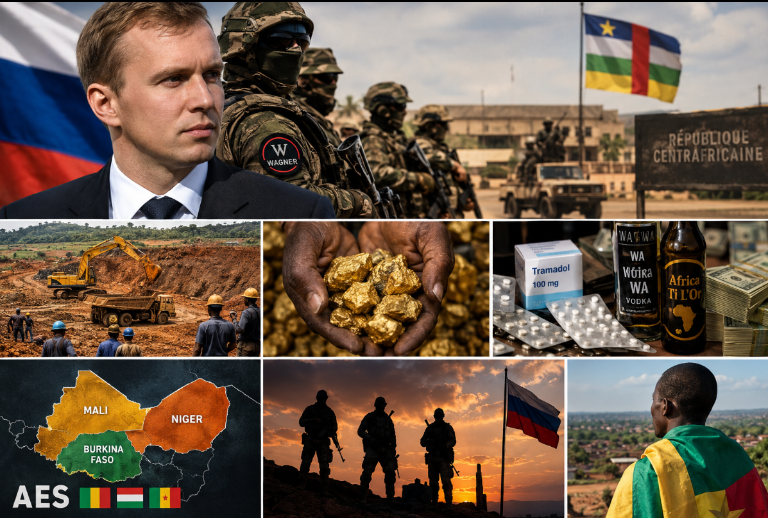
The crisis in Mali is a cautionary tale for Burkina Faso and Niger, both members of the Alliance of Sahel States (AES). The promise of a miraculous Eastern alternative is colliding with a harsh reality: insecurity is worsening, and the cost of foreign support is increasingly compromising national sovereignty. As the Sahel stands at a crossroads, the gap between political rhetoric and ground realities grows wider, leaving citizens in desperate need of tangible, sustainable security solutions.
A region at the mercy of shifting agendas
From Moscow’s strategic interests to media personalities adapting their positions to fit personal circumstances, the Sahel’s future remains uncertain. While leaders and activists navigate these turbulent waters, the people of the region continue to bear the brunt of instability, waiting for leadership that prioritizes their safety and long-term prosperity over foreign agendas.