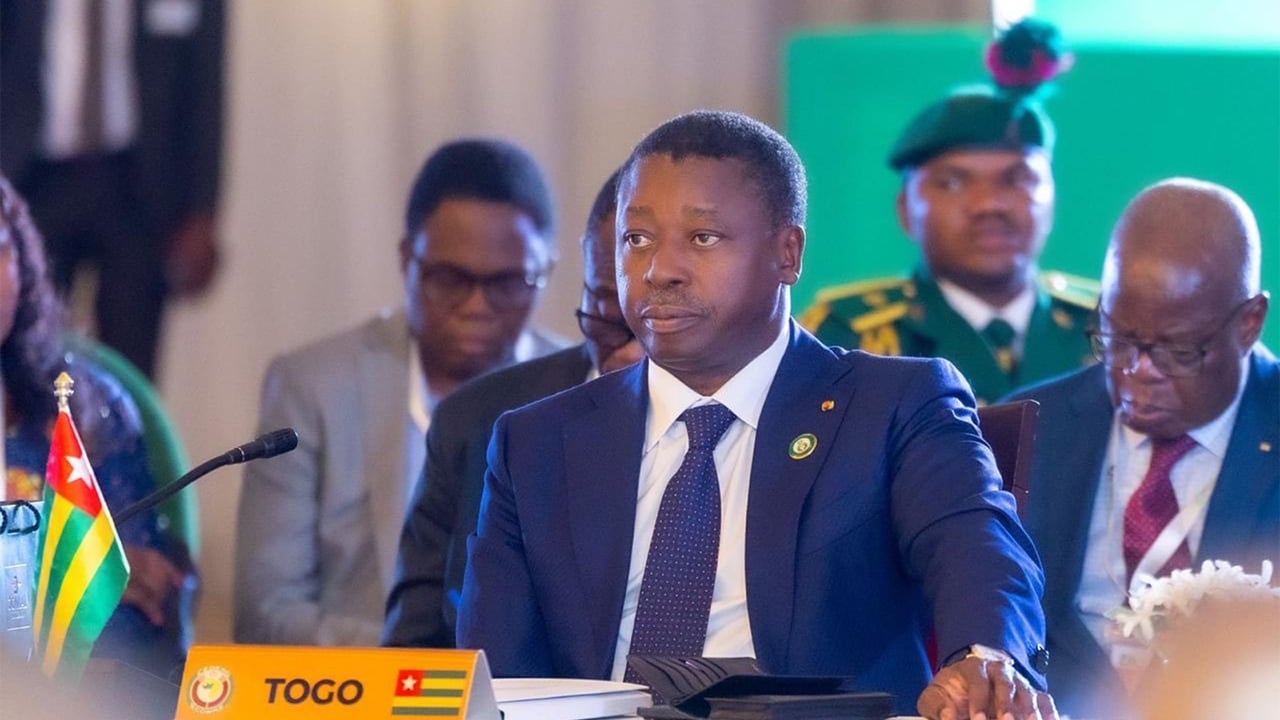
In the world of international diplomacy, silence often speaks volumes. This was once again demonstrated on 9 March when Togo’s President Faure Essozimna Gnassingbé held a private meeting with Russia’s Defence Minister Andrei Belousov in Lomé. Despite the significance of the encounter, no official statement was released by Togolese authorities.
A source within the Presidential Palace confirmed the high-level discussions to journalists, yet the absence of any public announcement raises questions about the true nature of the talks. What objectives did Gnassingbé aim to achieve through this discreet engagement? And how does it fit into his broader diplomatic strategy amid shifting regional alliances?
the art of diplomatic equilibrium in west africa
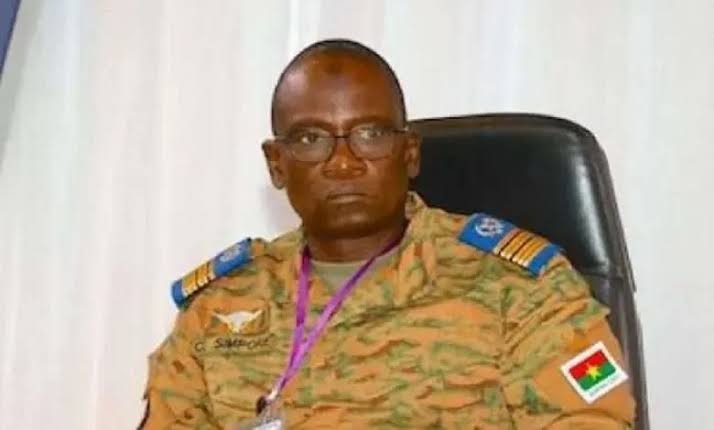
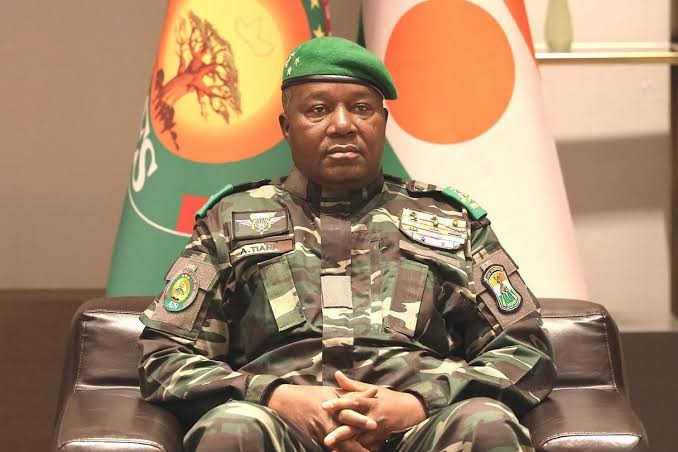
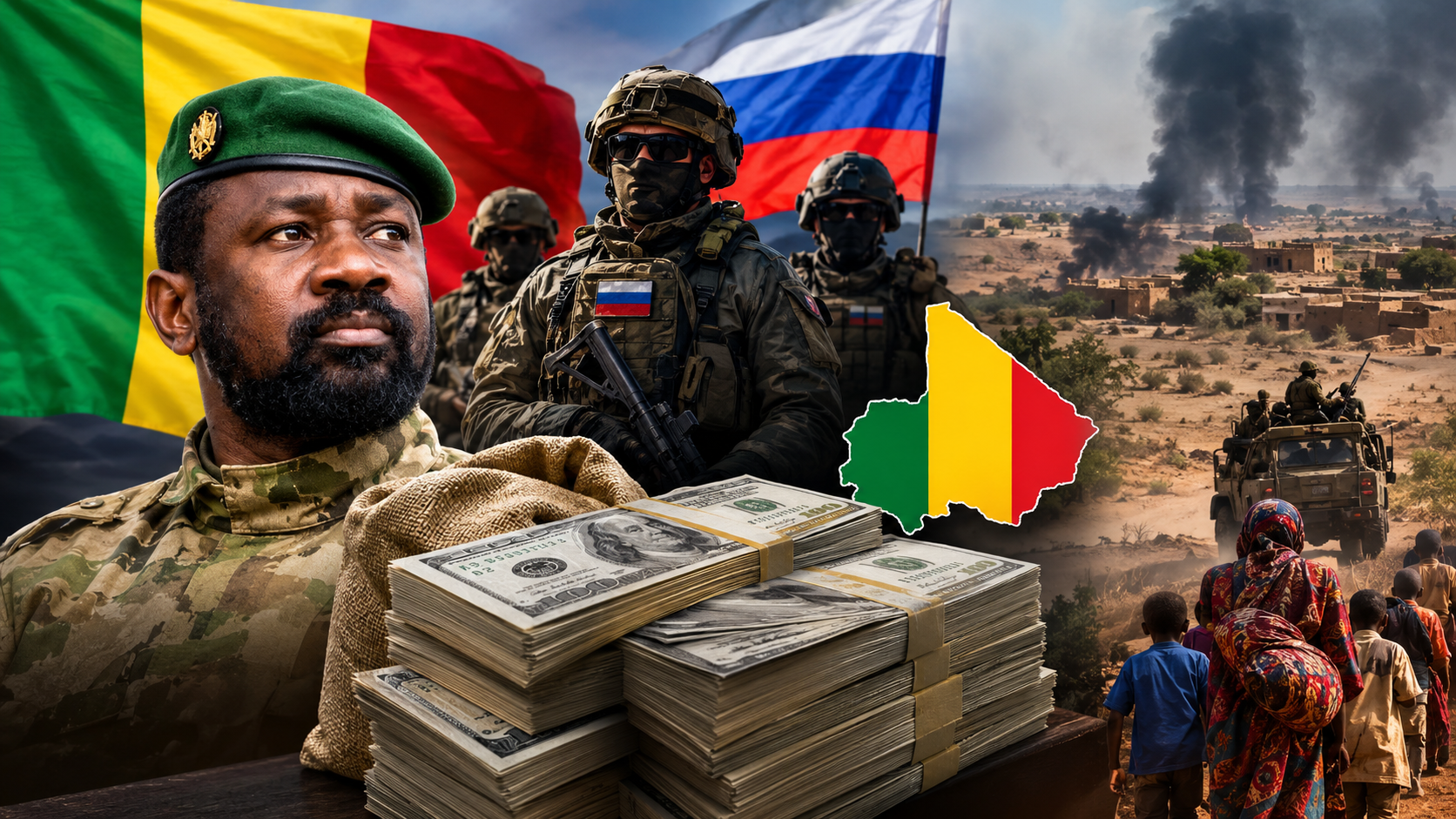
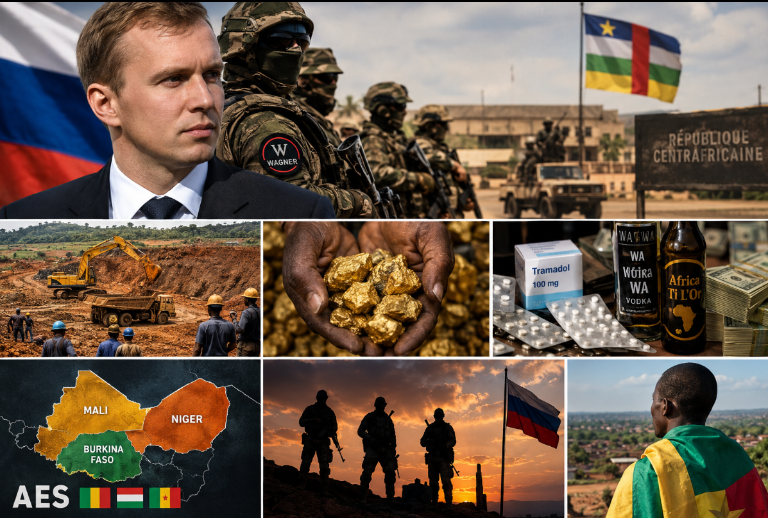
The meeting took place against a backdrop of complex geopolitical tensions in West Africa. Since the formation of the Alliance of Sahel States (AES) by Burkina Faso, Mali and Niger—countries that have distanced themselves from ECOWAS—the regional bloc has faced unprecedented challenges. Meanwhile, Russia has intensified its influence in the Sahel through security partnerships and resource agreements.
Gnassingbé, whose country is a member of both ECOWAS and the AES as a de facto observer, finds himself in a delicate position. His government must navigate relations with multiple blocs without alienating any key partner. How is Togo managing this balancing act, and what role does Russia play in this equation?
Togo’s strategic positioning in a fractured region
Togo’s diplomatic stance has long been characterised by caution and pragmatism. The country has maintained strong ties with both Western powers and emerging partners like Russia and China, while remaining a member of ECOWAS. This unique position allows Lomé to act as an intermediary in regional conflicts and economic negotiations.
Analysts suggest that Gnassingbé’s recent meeting with Belousov may signal an effort to strengthen defence and economic cooperation with Moscow. Such a move could provide Togo with leverage in its dealings with ECOWAS and the AES, particularly as the regional bloc grapples with internal divisions and external pressures.
the implications of Russia’s growing influence
Russia’s expanding footprint in West Africa—through military support, mining contracts and political alliances—has raised concerns among traditional partners like France and the United States. For countries like Togo, engaging with Moscow offers an opportunity to diversify partnerships and reduce dependency on former colonial powers.
However, such engagements come with risks. The AES countries have faced sanctions and isolation from ECOWAS for their decisions to leave the bloc and seek new alliances. Gnassingbé must carefully weigh the benefits of closer ties with Russia against the potential consequences for Togo’s standing in ECOWAS and its relations with Western nations.
The President’s ability to maintain this delicate balance will be critical in shaping Togo’s future role in West Africa. As regional dynamics continue to evolve, Gnassingbé’s diplomatic acumen will be tested like never before.