Us military strategy shifts in Sahel after russian influence grows
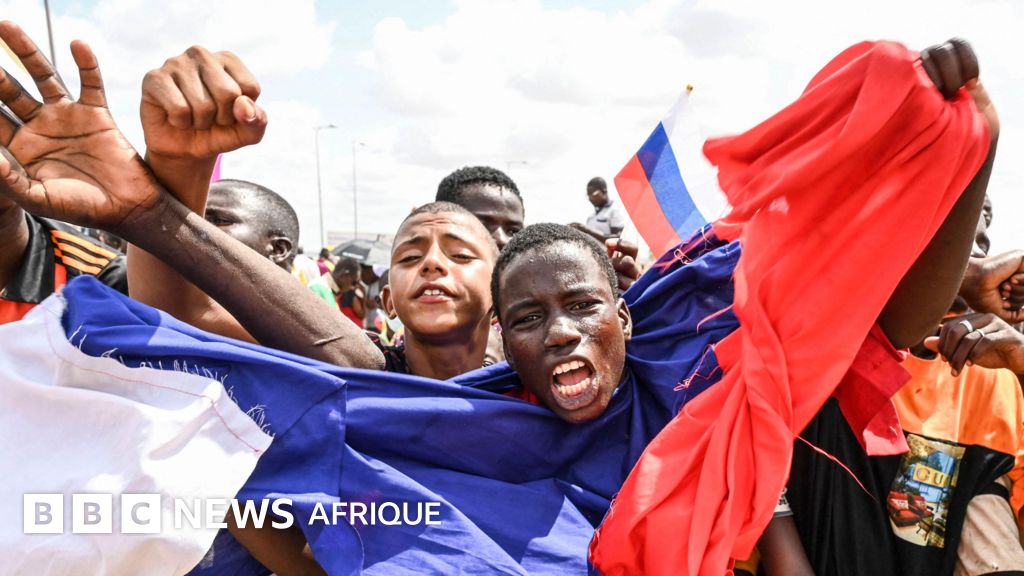
The United States is recalibrating its military and diplomatic approach toward three Sahelian nations—Burkina Faso, Mali and Niger—after recent coups severed their ties with France and pivoted toward Russia. Washington’s new strategy prioritizes counterterrorism cooperation over democratic governance, marking a clear departure from the policies of the Biden administration.
Washington’s pivot to security-first diplomacy in West Africa
In a significant policy shift, the U.S. State Department announced that Nick Checker, head of its Africa Affairs Bureau, will visit Bamako to reaffirm America’s respect for Mali’s sovereignty and explore “new avenues” for cooperation. This overture includes neighboring Burkina Faso and Niger, with Washington signaling its willingness to engage despite the absence of civilian governments.
Unlike previous administrations, the current U.S. leadership has softened its stance on democratic principles, removing human rights and governance from its agenda. This change follows the ousting of elected leaders in all three countries between 2020 and 2023, including former Nigerien president Mohamed Bazoum, who remains under house arrest.
The shift aligns with a broader reorientation under the Trump administration, which has prioritized security cooperation and resource access over governance concerns. This approach was underscored by the closure of USAID programs shortly after the president’s inauguration, followed by a renewed focus on mineral extraction and security partnerships.
Why the Sahel matters to U.S. interests
The Sahel has become a critical battleground in the global fight against Islamic extremism. The region now accounts for nearly half of all terrorism-related fatalities worldwide, according to recent assessments. The Islamic State in the Greater Sahara (ISGS) operates with particular intensity along the borders of Mali, Burkina Faso and Niger, presenting a growing threat to regional stability.
The recent attack on Niamey’s international airport highlights the escalating danger. Beyond security concerns, the Sahel holds significant strategic resources, including uranium in Niger, lithium in Mali and vast gold deposits across the region. The juntas in these countries have begun redirecting resource partnerships from France to Russia, further complicating Western influence.
Balancing counterterrorism with geopolitical competition
Washington’s renewed engagement aims to counterbalance Moscow’s expanding footprint in the region. While the U.S. acknowledges reports of human rights abuses by Russian mercenaries in Mali, it appears willing to set aside these concerns to maintain access to counterterrorism intelligence and potential mineral resources.
U.S. officials, including Rudolph Attalah, a senior counterterrorism advisor, have visited Bamako to discuss security cooperation. While Washington may provide intelligence support and potentially weapons, it has ruled out redeploying troops or reopening its drone base in Agadez, Niger, which was closed after the junta’s takeover.
The Sahel’s evolving alliances and regional security
In response to pressure from the Economic Community of West African States (ECOWAS) to restore democratic rule, the three juntas withdrew from the bloc in 2024 and formed the Alliance of Sahel States (AES). This move has left ECOWAS with limited influence over internal governance but has not deterred regional cooperation against Islamist militants.
The threat extends beyond the Sahel, with militants infiltrating neighboring countries such as Benin, Nigeria, Togo, Ghana and Côte d’Ivoire. Enhanced U.S. intelligence sharing and potential arms support could help turn the tide against extremist groups, though military solutions alone have proven insufficient in the past decade of French intervention.
As Burkina Faso‘s junta leader Captain Ibrahim Traoré gains popularity by rejecting “imperialism” and “neocolonialism,” the U.S. must navigate a delicate balance—supporting security cooperation while avoiding entanglement in the region’s political complexities.