obstacles to regional integration for the alliance of Sahel states
The withdrawal of Mali, Burkina Faso, and Niger from the Economic Community of West African States (ECOWAS) was intended as an assertion of sovereignty. However, this move has inadvertently restricted the free movement of people and goods within the region. Travelers and traders from these countries now face significant administrative hurdles when crossing borders, even within the Alliance of Sahel States (AES) itself.
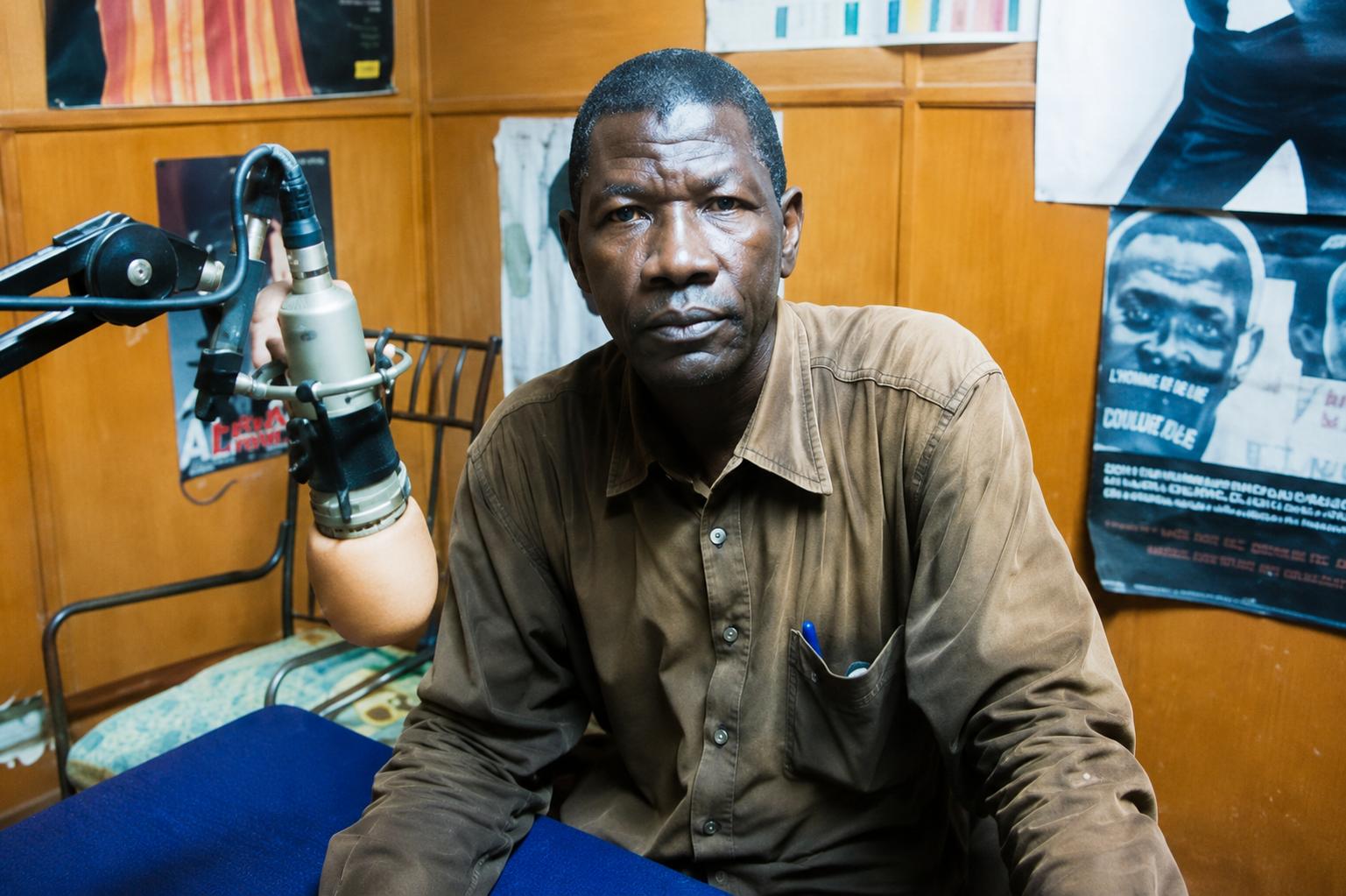
Travel documents such as passports, national IDs, and driver’s licenses have become sources of contention. Almou Yacouba, secretary-general of the Democratic Road Transport Union of Niger, highlights the recurring issues faced by citizens of the AES:
“Securing an international vehicle registration and an international driver’s permit has become a major headache. The ECOWAS insurance requirement is particularly problematic for us within the AES space. Even our national IDs are often rejected at checkpoints—for instance, when traveling from Niger to Côte d’Ivoire, officials claim our IDs lack an expiration date, though the manufacturing date is visible. Previously, we had ECOWAS-standard IDs for travel, but now that we’ve left the community, travelers are frequently asked for documents that no longer exist.”
These challenges extend beyond documentation. Despite efforts by AES governments to streamline border procedures, travelers and transporters continue to encounter arbitrary checks and demands for bribes at multiple crossings.
demands for a unified AES travel document
Chaibou Tchiombiano, secretary-general of the Niger Importers and Exporters Association, emphasizes the need for a unified travel document within the AES:
“The ideal scenario would be a single passport for the AES, enabling unrestricted movement across all member states. Unfortunately, we’re still struggling with these systemic barriers.”
The issue of administrative documents remains a critical challenge for citizens of the three countries. In response, Niamey hosted a ministerial meeting in December 2025, where transport ministers from the AES convened to address the free movement of people and goods—an initiative prompted by the trio’s exit from ECOWAS.
persistent border corruption
Corruption at border crossings continues to undermine regional integration efforts. Transporters and travelers report frequent extortion, despite policy reforms aimed at easing transit within the AES. The lack of standardized documentation exacerbates these challenges, leaving many to navigate a patchwork of conflicting requirements.
As the AES seeks to redefine its relationship with ECOWAS, the immediate priority remains restoring seamless mobility for its citizens—a goal that hinges on harmonizing travel documents and eliminating systemic inefficiencies at every checkpoint.