Unified force of the AES: strategies for success in Sahel security
how the unified force of the AES aims to achieve its goals
The leaders of Mali, Burkina Faso, and Niger recently convened in Bamako for a pivotal two-day summit to assess the progress of the Sahel States Alliance (AES) since its inception in July 2024. Among the key agenda items was the evaluation of the newly established Unified Force of the AES (FU-AES), a landmark initiative designed to address the region’s escalating security challenges. This collaborative effort represents a strategic shift toward regional solidarity in combating cross-border threats.
According to the Malian government’s communication center (CIGMA), the summit provided an opportunity to review the implementation of the alliance’s roadmap, strengthen institutional frameworks, and address both regional and international concerns. The gathering also included discussions on diplomatic and developmental milestones achieved over the past year, marking a significant step forward for the young confederation.
what is the unified force of the AES?
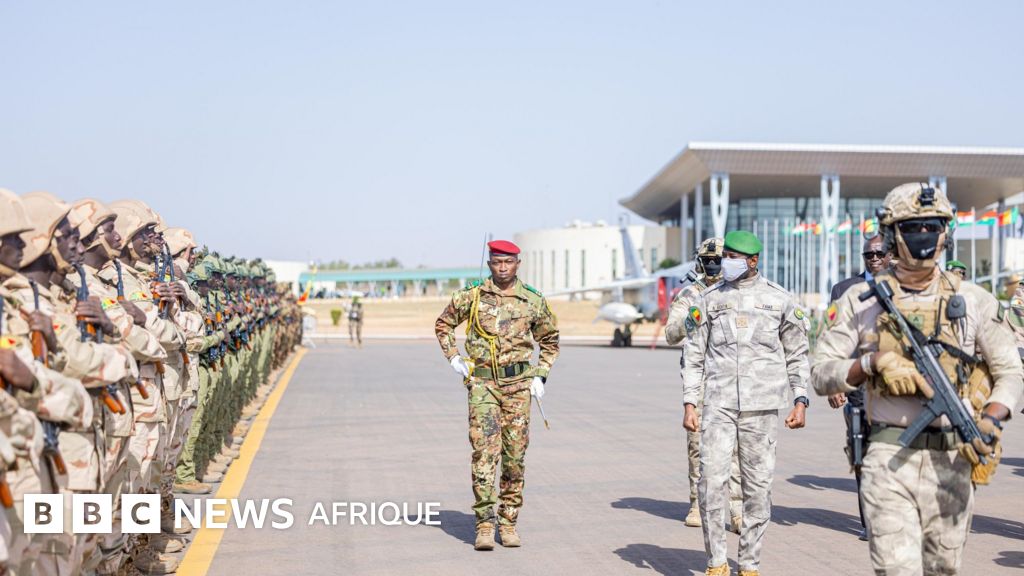
The FU-AES is a multinational military force composed of 5,000 soldiers from Mali, Burkina Faso, and Niger, led by General Daouda Traoré of Burkina Faso. Its primary mission is to counter the persistent threats posed by armed groups and jihadist organizations operating across the Sahel region. The force was officially activated during a ceremony in Bamako, underscoring the alliance’s commitment to collective security and self-reliance.
General Sadio Camara, Mali’s Minister of Defense, emphasized the strategic significance of this initiative, stating, “Peace, security, and sovereignty cannot be delegated.” He described the FU-AES as a testament to the shared values of solidarity and dignity that define the AES member states. The formation of this force signifies an irreversible commitment to regional stability and mutual defense.
key objectives and operational strategies
The FU-AES aims to enhance coordination among the three nations’ armed forces by improving intelligence sharing, synchronizing military operations, and strengthening border security. These measures are essential for disrupting the mobility of armed groups that exploit porous borders. Recent joint operations, such as Yéréko I and Yéréko II, have already demonstrated the potential of this collaborative approach, resulting in the neutralization of several jihadist leaders and the dismantling of criminal sanctuaries.
However, challenges remain. Armed groups continue to operate in the tri-border region, posing ongoing threats. For instance, the Jama’at Nusrat al-Islam wal Muslimin (JNIM) has disrupted fuel supplies in Mali, highlighting the persistent vulnerabilities in the region. Experts suggest that the FU-AES must go beyond symbolic gestures to achieve tangible results on the ground, particularly in securing areas and protecting civilian populations.
expert insights: what makes a unified force effective?
Fiacre Vidjenagninou, a Senior Researcher at the Behanzin Institute in Cotonou and Associate Senior Researcher at the Egmont Institute in Brussels, offers critical perspectives on the FU-AES’s potential success. He argues that for the force to be credible, it must prioritize tangible outcomes over mere announcements. Key factors include:
- Intelligence-driven operations: Collecting, merging, and acting on intelligence swiftly to disrupt enemy activities.
- Sustained presence: Holding territory after operations to prevent the resurgence of armed groups.
- Community engagement: Addressing local grievances, ensuring justice, and protecting civilian populations to undermine the appeal of extremist groups.
Vidjenagninou cautions that a “hit-and-run” strategy is no longer sufficient. Instead, the FU-AES must adopt a comprehensive approach that combines military operations with governance, economic development, and social stability. He explains, “A force may win battles, but without minimal governance, it cannot achieve lasting stability.”
the role of international cooperation
While the FU-AES is a groundbreaking initiative, its success may depend on strategic partnerships with neighboring countries. Vidjenagninou advocates for a phased approach: first, proving the force’s effectiveness among the three member states, then expanding cooperation to neighboring nations through coordinated operations and cross-border pursuit agreements. This incremental strategy could foster trust and minimize the risks associated with divergent national interests.
The upcoming summit in Bamako will also focus on institutionalizing the AES’s media and financial frameworks, including the launch of the AES Television (headquartered in Bamako) and the Confederation Investment and Development Bank (BCID), with an initial capital of 500 billion CFA francs. These developments reflect the alliance’s broader ambition to integrate economically and diplomatically, further solidifying its autonomy from external pressures.
a turning point for regional security
The formation of the FU-AES marks a historic shift in the Sahel’s security landscape. Born out of the political transitions in Mali (2020), Burkina Faso (2022), and Niger (2023), the alliance emerged in response to the Economic Community of West African States (ECOWAS) imposing sanctions and threatening military intervention. The three states subsequently withdrew from ECOWAS and established the AES, formalizing their cooperation through the Liptako-Gourma Charter in September 2023. The confederation was officially inaugurated on July 6, 2024, in Bamako.
As the FU-AES begins its operations, its credibility will hinge on its ability to deliver tangible security improvements for the populations of the Sahel. The coming months will be critical in determining whether this unified force can transcend political symbolism to become a cornerstone of regional stability.
During the summit, AES leaders will hold meetings with the FU-AES command to refine strategies, review progress, and chart the path forward. The outcomes of these discussions could redefine the security dynamics of the Sahel and set a precedent for future regional collaborations.