Impact of Mali, Niger and Burkina Faso leaving ECOWAS on human rights
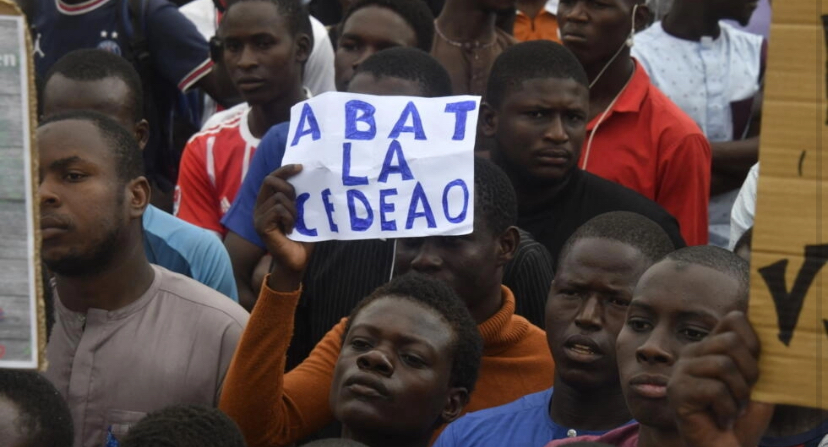
The imminent withdrawal of Mali, Niger and Burkina Faso from the Economic Community of West African States (ECOWAS) raises serious concerns about access to justice for their citizens. The planned exit could severely restrict the ability of individuals in these countries to seek recourse through the ECOWAS Court of Justice, a critical institution for addressing human rights violations.
Why the ECOWAS Court matters for human rights protection
Ilaria Allegrozzi, a senior researcher at an international NGO, highlights the importance of this regional judicial body. In an interview, she explains why the court served as a vital safeguard for citizens in these nations: «The ECOWAS Court was an essential avenue for justice, especially in countries where impunity for grave human rights abuses by security forces and authorities is widespread. Domestic courts often fail to provide meaningful recourse, leaving victims with limited options.»
The court’s significance becomes even clearer when examining its track record. Allegrozzi points to landmark rulings that held governments accountable, such as the 2008 decision against Niger for failing to protect a citizen from slavery—a historic case that set a precedent for state responsibility. Similarly, a 2012 ruling against Nigeria held the government liable for environmental damage caused by oil companies, further demonstrating the court’s role in upholding justice.
Accessibility and independence: the court’s unique strengths
One of the court’s most valuable features is its accessibility. Unlike many judicial systems, plaintiffs in Mali, Niger and Burkina Faso could seek recourse without first exhausting domestic legal avenues. This streamlined process made it easier for individuals to challenge human rights violations, even when national courts were ineffective or biased. Allegrozzi emphasizes this advantage: «For affected communities, the ECOWAS Court was a lifeline—a way to bypass local obstacles and secure justice at a regional level.»
The potential loss of this judicial mechanism could leave citizens in these three countries more vulnerable to abuses, with fewer avenues to hold perpetrators accountable. As the political and economic landscape evolves, the fate of the ECOWAS Court’s jurisdiction remains a pressing concern for human rights advocates across West Africa.