Senegal’s political shake-up: uncovering the four drivers behind the Sonko-Faye split
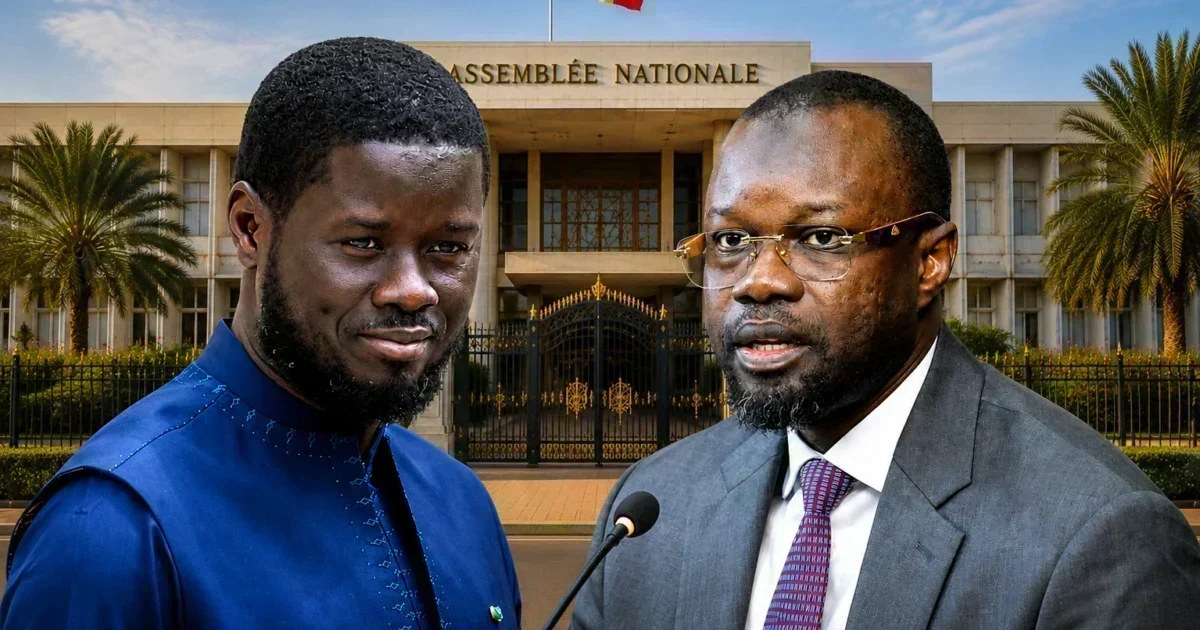
The abrupt separation between Senegal’s President Bassirou Diomaye Faye and his Prime Minister Ousmane Sonko, following just two years in power, marks a dramatic shift in the country’s political landscape. With their partnership now dissolved, all eyes are fixed on Dakar, a city long regarded as a bastion of stability in West Africa.
From allies to adversaries: tracing the unraveling of a once-strong alliance
Behind the scenes of this high-stakes political divorce lie four pivotal factors that reshaped the dynamic between Faye and Sonko. These elements not only highlight the strains within their relationship but also signal broader implications for Senegal’s governance.
1. Clashing visions for economic transformation
Their most glaring disagreement centered on Senegal’s economic trajectory. Faye championed a rapid pivot toward local resource exploitation, particularly in oil and gas sectors, while Sonko advocated for gradual reforms and debt management. These contrasting approaches created an irreconcilable divide over how to steer the nation’s financial future.
2. Divergent approaches to constitutional reform
Constitutional amendments became another battleground. Sonko pushed for sweeping changes to limit presidential powers and strengthen parliamentary oversight, a move Faye resisted. The Prime Minister’s insistence on structural reforms clashed with the President’s preference for stability through existing frameworks, deepening their ideological rift.
3. Security policies under scrutiny
Security strategy emerged as a third point of contention. Sonko favored a collaborative approach with regional partners to combat extremism, while Faye prioritized national military initiatives. Their conflicting stances on regional alliances versus self-reliance in defense matters fueled tensions that proved impossible to bridge.
4. Personal ambitions overshadowing collective goals
Rumors of personal ambitions also played a role. Observers noted growing signs that Sonko was positioning himself for a potential presidential bid, which Faye interpreted as a direct challenge to his leadership. This perceived threat to Faye’s authority accelerated the decision to end their partnership.
As Senegal navigates this unprecedented political fracture, the fallout from this rupture will likely shape the nation’s governance for years to come.