Senegal’s political shift: why ousmane sonko and diomaye faye parted ways
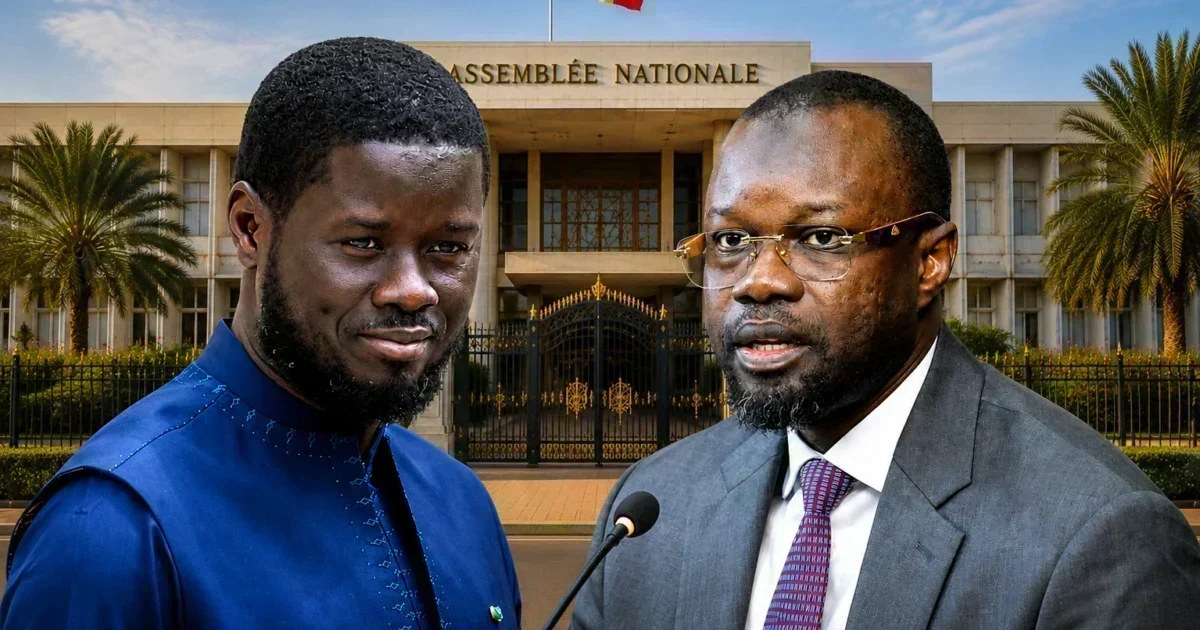
The abrupt departure of Ousmane Sonko as Prime Minister of Senegal, following just two years in office alongside President Bassirou Diomaye Faye, has sent shockwaves through West Africa. The decision marks a dramatic turn in the nation’s political landscape, once hailed as a beacon of stability in the region.
Read aloud
the four driving forces behind the breakup
While the presidency and the prime minister’s office had presented a unified front since their election, behind-the-scenes tensions gradually eroded trust. Four critical issues now stand as the pillars of this unexpected separation:
- policy disagreements over economic reforms: Clashes emerged over the pace and direction of Senegal’s economic transformation, with Sonko advocating for bolder, more radical changes while Faye favored gradual adjustments to avoid social unrest.
- clashing visions for governance: The two leaders held fundamentally different views on how power should be distributed between the executive and legislative branches, leading to persistent friction in decision-making processes.
- public perception and political pressure: Mounting criticism from opposition figures and civil society groups intensified the divide, with Sonko’s fiery rhetoric drawing both fervent support and sharp condemnation, complicating Faye’s ability to maintain a cohesive strategy.
- strategic priorities in a shifting region: With neighboring Sahel nations facing instability, the duo struggled to align on how Senegal should position itself—whether as a mediator or a firm regional player—further straining their collaboration.
These factors converged to create an untenable situation, culminating in a decision that has left analysts and citizens alike questioning the future direction of Senegal’s leadership.
Follow updates :