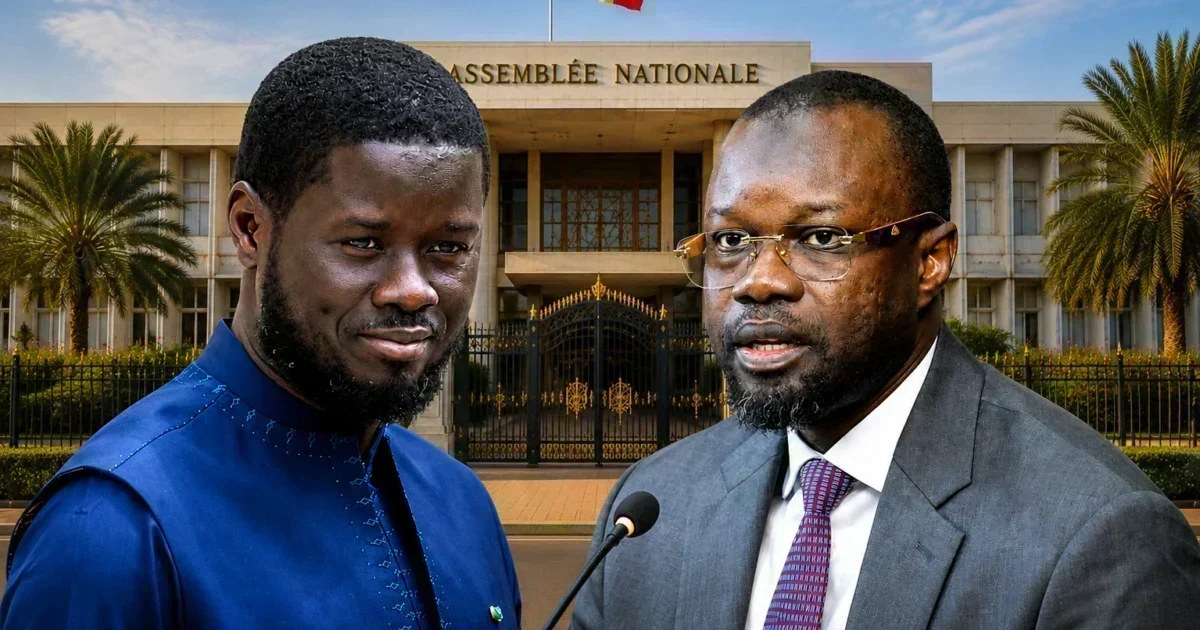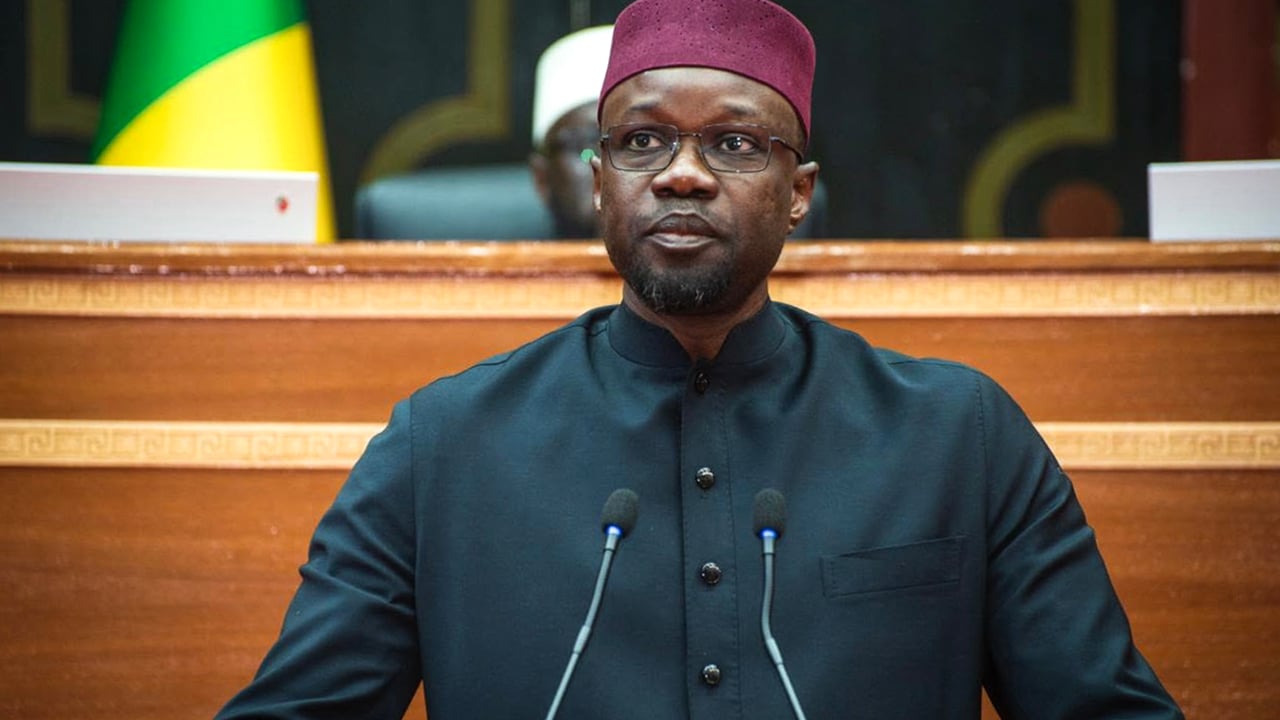
In Senegal, political tensions have reached a critical juncture as leaders Bassirou Diomaye Faye and Ousmane Sonko engage in a high-stakes battle over the future direction of the nation. The two figures, whose influence has grown significantly in recent months, are locked in a strategic contest that will shape the country’s trajectory for years to come.
At the heart of this confrontation lies a fundamental disagreement over governance priorities. While both leaders share a commitment to reform, their visions diverge sharply on key issues such as economic policy, social equity, and international alliances. Faye’s approach emphasizes grassroots empowerment and institutional transparency, while Sonko’s strategy focuses on mobilizing youth and challenging entrenched political structures.
Their rivalry has intensified in recent weeks, with each side rallying support through public consultations and strategic alliances. Political analysts describe the current phase as a pivotal moment for Senegal, where the outcome of these dialogues could redefine the balance of power in the coming elections.
Key areas of contention
- Economic policy: Faye advocates for decentralized economic development, targeting rural areas and small businesses, while Sonko pushes for large-scale infrastructure projects aimed at industrialization.
- Youth engagement: Both leaders have made youth mobilization a central theme, but their methods differ. Faye’s initiatives focus on education and skill development, whereas Sonko’s approach leans toward political activism and grassroots organizing.
- International relations: Sonko has been vocal about revisiting Senegal’s foreign partnerships, particularly with former colonial powers, while Faye supports a balanced approach that maintains strategic alliances while prioritizing African-led solutions.
The role of dialogue in Senegal’s political future
The ongoing negotiations between Faye and Sonko are not just about power—they reflect a broader struggle to define Senegal’s identity in a rapidly changing world. The success of these dialogues could either pave the way for a new era of collaboration or deepen the divisions that threaten to destabilize the country.
As the political landscape in Senegal continues to evolve, the choices made by these two leaders will determine whether the nation moves toward unity or further fragmentation. The coming weeks will be decisive, as both sides prepare to take their messages to the broader public ahead of critical decisions.